
Batrachedra
Batrachedra
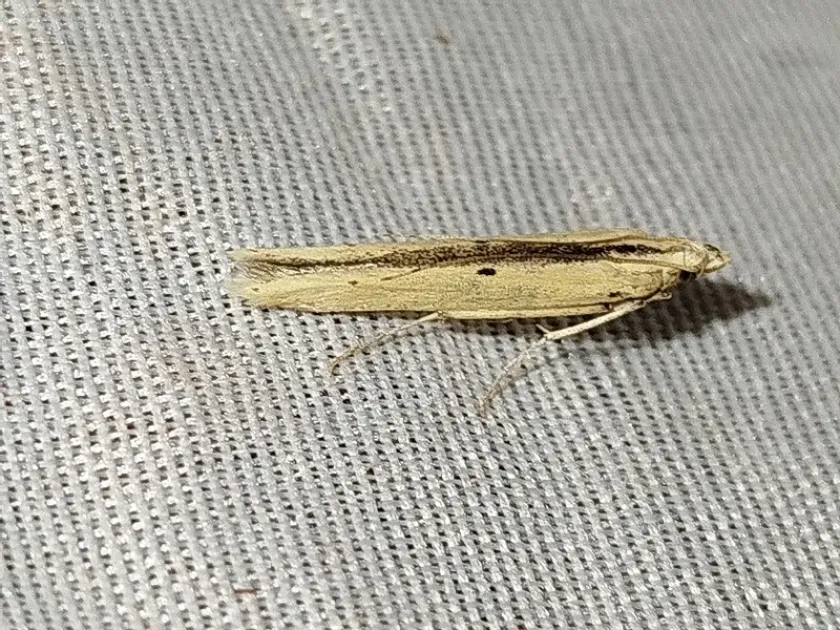
Description
How to identify
Batrachedra is a genus of moths belonging to the family Batrachedridae. These insects are characterized by their small size and narrow, lanceolate wings that allow them to fly efficiently in their habitat.
Adult moths typically exhibit cryptic coloration, ranging from shades of brown to grey. This camouflage allows them to blend perfectly with the bark and foliage of their host plants, making them difficult to spot.
The larvae are cylindrical with well-developed chewing mouthparts. They lead a concealed lifestyle, often boring into the plant tissue, such as buds or fruit, which protects them from predators and environmental stress.
The life cycle follows a complete metamorphosis: egg, larva, pupa, and adult. The pupal stage is often protected by a dense, silken cocoon constructed in crevices or near the feeding site.
There are several species within this genus, and some are globally recognized as significant pests for specific commercial crops, such as dates or ornamental shrubs.
What it damages
The most well-documented economic damage caused by this genus is to date palms, where larvae burrow into the developing fruit. This results in direct crop loss and significantly reduced market value.
In addition to fruit damage, larvae can attack buds and tender shoots of various trees. This feeding behavior disrupts normal plant development and leads to deformed or stunted growth.
Infested plant tissues often become prone to secondary pathogens, including various rots and fungi, which can exacerbate the initial damage caused by the larvae.
The presence of larvae inside the fruit leads to premature abscission, meaning the fruit drops from the tree before reaching full maturity, further diminishing the potential harvest.
Heavy infestations can lead to a significant decline in the overall vigor of the host plant, making it more susceptible to environmental factors like drought or disease.
When it appears
The seasonal activity of Batrachedra is heavily influenced by temperature and the phenology of the host plant. Moths typically emerge from overwintering sites in sync with the bud burst or flowering period.
Summer months are characterized by the highest reproductive activity. Multiple generations may occur during a single season, leading to a rapid buildup of the pest population.
The development time from egg to adult is shortened by warm, stable weather conditions. This makes mid-season the most dangerous period for potential crop loss if not monitored correctly.
As autumn approaches, activity levels drop as the insects prepare for diapause. They seek shelter in bark fissures, soil debris, or under bud scales to survive the winter.
Knowing the specific window of emergence allows farmers to time their interventions precisely, ensuring that treatments are applied when the pest is most vulnerable.
Signs of infestation
A primary indicator of a Batrachedra infestation is the presence of fine webbing covering the buds or fruit surface. This silk is often contaminated with larval waste.
The premature yellowing and dropping of young fruit are classic symptoms. Upon closer inspection, entrance holes bored by the larvae can often be observed on the fruit surface.
Stunted growth or necrotic spots on young shoots indicate that larvae may be feeding internally, disrupting the plant's vascular system and nutrient transport.
The accumulation of frass (larval excrement) near the entry points is a clear sign that a caterpillar is currently active and feeding inside the plant tissue.
Visual identification of the moths themselves is difficult, but the use of sticky traps or light traps can confirm their presence in the area before damage becomes visible.
Control measures
Integrated Pest Management (IPM) is essential for controlling Batrachedra. Cultural practices, such as the removal and destruction of fallen fruit and infested plant parts, help reduce population levels.
Chemical control should be employed using targeted insecticides applied during the critical stages of egg-hatching. Systemic pesticides are often more effective for larvae that feed inside protected fruit.
Biological control, using specific parasitoids or pathogens such as Bacillus thuringiensis, offers an effective and environmentally friendly alternative to harsh chemicals.
Pheromone-based monitoring is a key tool for decision-making. By tracking the flight patterns of the moths, growers can apply treatments only when necessary, saving costs and protecting beneficial insects.
Maintaining strong plant health through proper irrigation and nutrition helps the crop tolerate minor infestations and recover more quickly from mechanical damage caused by feeding.
Taxonomy
- Latin name
- Batrachedra
- Order
- Lepidoptera (butterflies)
- Family
- Batrachedridae
- EPPO code
- BATRSP
Discussion
No discussions yet — be the first.