

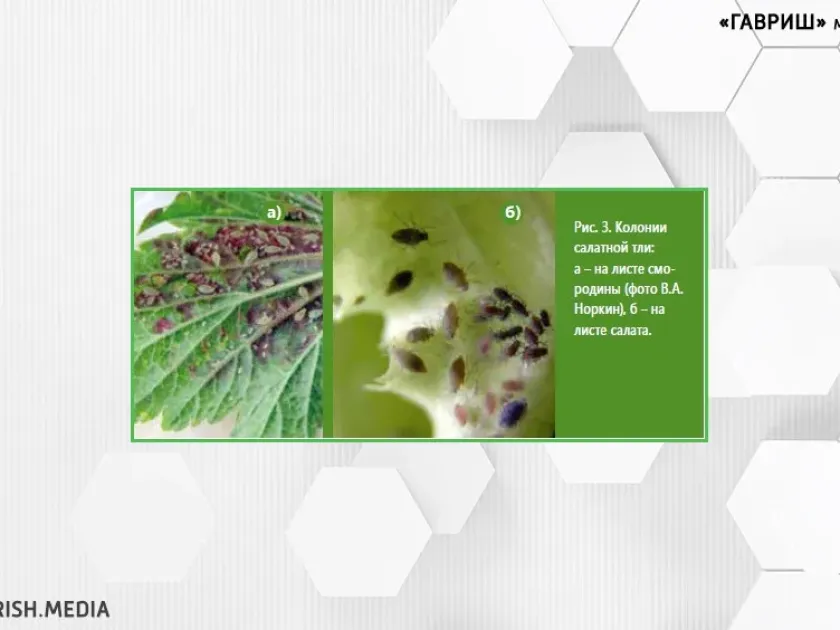
Description
How to identify
The lettuce aphid (Aulacorthum scariolae) belongs to the Aphididae family within the order Hemiptera. This small, soft-bodied insect is typically light green or yellowish, measuring approximately 2-3 mm in length.
A key identification feature of this species is the presence of prominent siphunculi (tubes) on the rear of the abdomen and long, slender antennae. They are frequently found in large colonies on the abaxial (under) surface of leaves.
The species reproduces parthenogenetically, which allows for rapid population growth during the growing season. The cycle includes both apterous (wingless) and alate (winged) forms, facilitating quick colonization of new host plants.
These aphids prefer moderate temperatures and high humidity, conditions often found in sheltered vegetable gardens or greenhouses. Their development is very sensitive to microclimatic changes within the crop canopy.
The life cycle involves multiple generations per year, with the ability to multiply exponentially when environmental conditions are favorable, making them a significant threat to lettuce production.
What it damages
The primary hosts of the lettuce aphid are cultivated lettuce and wild members of the Lactuca genus. Occasionally, they can infest other related plants within the Asteraceae family, causing significant economic damage.
The insects feed by piercing plant tissue and sucking out the phloem sap. This feeding action drains the plant of essential nutrients, leading to stunted growth, wilting, and poor development of the leaf heads.
Infested leaves often become distorted, curled, or chlorotic. This damage reduces the quality of the produce, often making it unsaleable, and causes the plant to lose its vigor and ability to withstand environmental stress.
One of the most serious aspects of their damage is their role as an efficient vector for several important plant viruses, such as Lettuce Mosaic Virus. Viral infections are irreversible and often lead to complete crop loss.
The excretion of honeydew by the aphids coats the leaves, promoting the growth of sooty mold. This black fungal growth not only lowers the aesthetic value of the lettuce but can also affect photosynthesis.
Signs of infestation
The initial signs of an infestation include the curling of young, tender leaves. Upon closer inspection of the undersides, small clusters of light-colored, stationary insects will be visible.
A sticky residue on the leaf surface is a reliable indicator of aphid presence. This honeydew can attract dust and promote the development of secondary fungal diseases, turning the leaves dark and dirty.
Stunted plant growth is a common sign of a well-established colony. If a plant appears smaller or less vibrant than surrounding plants, it is highly likely that an aphid population is affecting its vascular system.
Increased ant activity around the base of the lettuce plants is a strong warning sign. Ants tend to "farm" these aphids for their honeydew, protecting them from predators and parasites.
Yellowing or mosaic-patterned spots on the leaves often indicate either direct toxic damage from aphid feeding or the transmission of viral diseases, which is a major concern in commercial farming.
Control measures
Cultural control begins with rigorous weed management. Eliminating wild Asteraceae species near the growing area removes the primary reservoirs where the aphids survive and overwinter.
Monitoring using yellow sticky traps is essential to detect the arrival of winged aphids. This provides an early warning system, allowing for timely intervention before the population reaches an uncontrollable level.
Biological control agents, including lady beetles, lacewing larvae, and parasitic wasps (e.g., Aphidius species), are effective in reducing aphid numbers, particularly in greenhouse or protected cultivation environments.
Chemical control should be applied judiciously, favoring insecticides with short pre-harvest intervals. Because lettuce is consumed raw, strict adherence to safety guidelines regarding chemical residues is critical.
When applying control measures, thorough coverage of the leaf undersides is mandatory, as this is where the aphids aggregate. Rotating between different insecticide modes of action is recommended to prevent resistance buildup.
Content graph
Connections · Lettuce aphid
Most often together:
Marketplace
Products · 183
Community
Discussion
No discussions yet — be the first.