
Atanus
Atanus
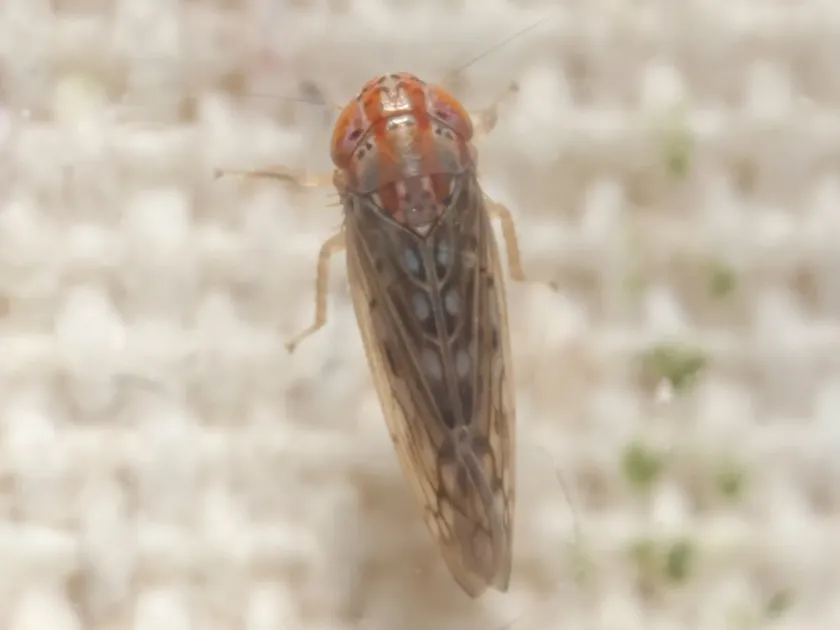
Description
How to identify
Atanus is a genus of insects belonging to the order Hemiptera and the family Cicadellidae, commonly known as leafhoppers. These insects feature a typical leafhopper morphology, including an elongated body, strong hind legs adapted for jumping, and wings that are held roof-like over the abdomen.
The coloration of adults typically ranges from grayish to yellowish-brown, which allows them to blend effectively into their natural plant environment. Adult insects are relatively small, usually measuring between 3 and 5 millimeters in length, making them difficult to spot during routine field inspections.
The head of Atanus is broad, often displaying a specific pattern on the vertex, which serves as a key diagnostic feature for entomological identification. They possess a piercing-sucking mouthpart designed specifically to extract sap from plant tissues.
Nymphs resemble smaller, wingless versions of the adults. Throughout their lifecycle, they undergo several developmental stages, gradually increasing in size and developing morphological characteristics typical of sexually mature insects.
This genus includes several species known for their role as vectors of various phytoplasma and viral diseases, which significantly increases their importance as agricultural pests in various agroecosystems.
What it damages
Atanus prefers a wide range of herbaceous plants, including many vital agricultural crops. Cereals, corn, and various forage grasses are among the most frequently attacked host plants.
Additionally, these pests are frequently found on wild weeds, which serve as primary reservoirs and overwintering sites. When conditions become favorable, they easily migrate from these weeds onto cultivated fields.
In regions with extensive vegetable production, Atanus can attack solanaceous plants and other crops by feeding on leaves and young shoots. This wide host range complicates population management strategies.
Intensive feeding by the pest leads to a depletion of plant nutrients, which is especially detrimental during periods of active growth. Infested plants show stunted development, lose turgor, and experience a reduction in photosynthetic activity.
Damage to seedlings and young plants is particularly critical, as these stages lack the robust immune response necessary to withstand the physiological stress caused by leafhopper feeding.
When it appears
The activity of Atanus is highly dependent on ambient temperature and humidity levels. The first adults typically appear in late spring, once daily average temperatures reach consistent positive levels.
Peak population density is usually observed during mid-summer, when conditions become optimal for reproduction and the development of multiple generations. It is during this time that damage to crops becomes most apparent.
As autumn approaches, insect activity gradually declines, leading them to enter diapause or seek shelter for overwintering. Root zones of perennial grasses and hedgerows serve as common overwintering sites.
The number of generations per season varies depending on the climatic zone; in warmer southern regions, the development cycle can be much more rapid, requiring vigilant monitoring of crop fields.
Agronomists recommend conducting regular monitoring using yellow sticky traps, which allow for the effective tracking of population dynamics throughout the entire growing season.
Signs of infestation
The first indicator of an Atanus infestation is the appearance of tiny light spots on leaves, which are the sites where the insect has punctured the plant tissue. Over time, these spots can coalesce, leading to noticeable chlorosis.
Plants severely affected by the pest often turn yellowish or reddish, indicating a disruption in metabolism and damage to the vascular system of the plant.
As a result of feeding, leaf deformation, curling, and subsequent wilting are common observations. Plant growth slows down significantly, which ultimately impacts the total yield weight and crop quality.
The spread of viral diseases is an indirect sign of leafhopper presence. If patches of mosaic patterns or "witches' broom" symptoms appear in a field, it is advisable to check for the presence of these insects.
Accumulation of honeydew on the underside of leaves is another characteristic sign of sap-feeding insects, which can further attract sooty mold fungi and exacerbate plant health issues.
Control measures
Effective management of Atanus requires an integrated approach, combining agronomic, chemical, and biological control methods to minimize economic losses.
- Timely weed management around field perimeters to eliminate pest reservoirs.
- Strict adherence to crop rotation practices to disrupt the insect's life cycle.
- Application of approved systemic insecticides when population levels exceed the economic threshold.
- Utilization of entomophagous insects for natural population suppression in integrated pest management programs.
- Monitoring of field edges to detect early colonization sites before the pest spreads across the field.
The application of chemical plant protection products must be strictly regulated to prevent harm to beneficial pollinators and predator species residing within the agroecosystem.
Maintaining optimal crop density is essential, as overcrowded fields create a favorable microclimate for Atanus reproduction and hinder the effective penetration of pesticides during application.
Taxonomy
- Latin name
- Atanus
- Order
- Hemiptera (bugs, aphids, leafhoppers)
- Family
- Cicadellidae
- EPPO code
- ATANSP
Discussion
No discussions yet — be the first.