
Woodlouse
Asellus
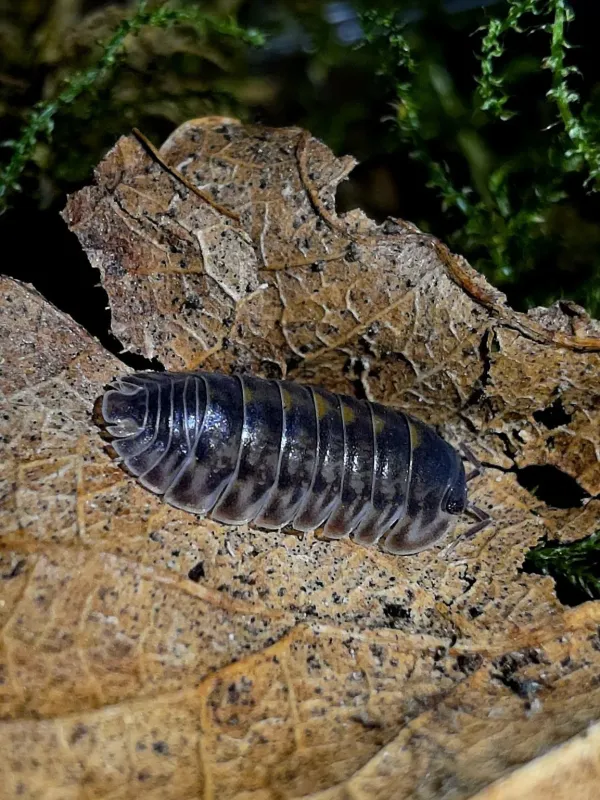
Description
How to identify
The woodlouse (family Oniscidae, order Isopoda) is a terrestrial crustacean often found in damp environments. Unlike insects, they have seven pairs of walking legs and an oval, segmented exoskeleton that is typically grey or brownish in color.
These creatures are nocturnal, meaning they prefer to be active at night. During the day, they hide in dark, humid places such as beneath stones, boards, or moist garden debris, emerging only when the conditions are cool and wet.
Woodlice breathe using gills, which requires a constant source of moisture. Consequently, they thrive in areas with high humidity, such as poorly ventilated greenhouses, cellars, and under damp layers of organic mulch.
They reproduce by carrying eggs in a brood pouch on the underside of their body. As the population grows, they can become a significant nuisance, especially in environments where moisture levels remain consistently high throughout the growing season.
Although they are often considered decomposers, they shift their feeding habits to living plant tissues when food sources like decaying matter become scarce, making them a potential threat to delicate seedlings.
What it damages
Woodlice are opportunistic feeders that target young plants, seedlings, and fruits touching the ground. They possess powerful mouthparts capable of gnawing through tender stems, which can kill young vegetables in a matter of days.
High-risk crops include cucumbers, tomatoes, and peppers, especially when they are in the seedling stage. Woodlice often chew the roots or the stem near the soil line, causing the plant to wither and eventually fail to thrive.
Fruits such as strawberries and lower-hanging tomatoes are particularly susceptible. Woodlice create deep, unsightly cavities in the flesh, which not only ruins the fruit's appearance but also serves as an entry point for secondary pathogens.
Secondary infections, such as fungal rot, often develop in the wounds created by the woodlice. This can cause the infection to spread rapidly through the plant, leading to fruit loss and damage to the entire harvest.
In addition to vegetable crops, woodlice may attack ornamental plants in pots if the potting soil is kept too damp and contains rich organic matter, which attracts them and provides a constant food supply.
When it appears
Woodlice activity peaks during spring, coinciding with the sowing and transplanting phase. The soft tissues of young transplants are highly attractive to them, and increased irrigation at this stage creates the moist conditions they favor.
Throughout the summer, woodlice remain active, particularly in dense plantings where canopy cover creates shaded, humid microclimates. Constant watering in greenhouses allows their population to remain stable and active.
During the autumn, woodlice seek shelter for overwintering. If organic mulch or plant debris remains on the greenhouse floor, they can easily survive the winter in the soil and emerge again with the first signs of spring growth.
In indoor environments like commercial greenhouses, seasonality is often eliminated. If the facility provides heat and moisture, woodlice can continue to reproduce and feed year-round, posing a persistent threat to any plant production.
Effective management requires monitoring from the moment seedlings are introduced. Keeping the greenhouse environment clean and dry early in the season is crucial to prevent a population explosion later on.
Signs of infestation
The most common signs of woodlouse activity include irregular, gnawed holes in the leaves of seedlings and damage to the base of the stems. If a plant suddenly begins to wilt for no obvious reason, check the roots and the base of the stem.
Evidence of feeding on fruits that touch the soil is another indicator. Unlike slugs, which leave slime trails, woodlice leave behind small, dark, granular droppings near the site of the damage.
Finding adult woodlice under pots, pallets, or damp boards is a clear sign of an infestation. They are typically lethargic during the day but will scurry to hide when their cover is removed, revealing their presence.
Early intervention is key. Checking the undersides of leaves and the surface of the soil near the base of the plants can reveal the presence of these pests before significant damage occurs.
- Jagged edges on young leaves.
- Small, deep cavities on the surface of fruits.
- Presence of woodlice under mulch or garden tools.
- Small, dark fecal pellets near the plant base.
- Sudden wilting of seedlings without soil moisture issues.
Control measures
The primary control measure is moisture management. Improving ventilation and reducing the frequency of watering helps dry out the soil surface, creating an environment that is hostile to woodlice respiration.
Physical trapping is highly effective and non-toxic. Placing damp cardboard, folded newspapers, or wooden boards on the ground overnight serves as an excellent trap, allowing you to collect and remove the pests the next morning.
Cultural practices are essential: remove all unnecessary plant debris, weeds, and decaying wood from the greenhouse. A clean environment offers fewer hiding spots and discourages woodlice from establishing a colony.
Natural barriers can be used to deter them. Sprinkling wood ash, diatomaceous earth, or dry mustard around the base of the plants creates a dry, irritating surface that woodlice will avoid, protecting the stems from attack.
Chemical control should be a last resort and used only when the infestation is severe. If insecticides are required, use only those approved for vegetable crops, ensuring they are applied according to strict safety guidelines to avoid contamination.
Taxonomy
- Latin name
- Asellus
- Family
- Asellidae
- EPPO code
- ASELSP
Discussion
No discussions yet — be the first.