
Grape aphid
Aphis vitis
Description
How to identify
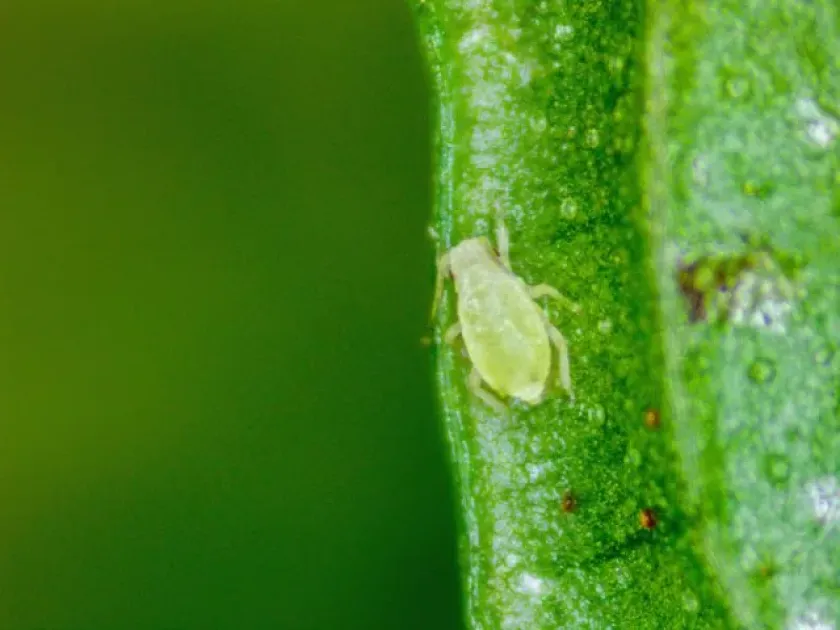
The grape aphid, scientifically known as Aphis vitis, is a small insect belonging to the family Aphididae. These pests are typically around 1 to 2 mm long and possess a soft, oval-shaped body.
Their coloration ranges from light green to yellow or brownish, allowing them to blend in with the vine foliage effectively. They possess piercing-sucking mouthparts specialized for feeding on plant sap.
The lifecycle of Aphis vitis is characterized by rapid reproduction. Throughout the growing season, they produce multiple generations of wingless and winged individuals, allowing them to spread quickly within a vineyard.
They overwinter as eggs, typically deposited in the crevices of the vine's bark or near the buds. As temperatures rise in the spring, these eggs hatch, and the population begins to build up rapidly on new growth.
These insects often maintain a symbiotic relationship with ants, which protect the aphid colonies from predators in exchange for the sweet honeydew secreted by the aphids during their feeding process.
What it damages
Grape aphids primarily feed on the tender, succulent tissues of the vine, including young shoots, buds, and the underside of leaves. By extracting plant sap, they deprive the vine of essential nutrients required for vigorous growth.
Feeding damage often causes the leaves to curl, yellow, and eventually wither. This reduction in the leaf surface area hampers photosynthesis, which negatively impacts the vine’s overall health and the accumulation of sugars in the berries.
The excretion of honeydew by the aphids coats the leaves and shoots, promoting the growth of sooty mold. This black fungal layer further inhibits photosynthesis and reduces the commercial quality of the foliage and fruit.
In cases of severe infestation, young shoots may become stunted or deformed, and flower clusters can fail to develop or fall off entirely. This leads to a direct reduction in yields and weakened vine immunity.
Constant sap extraction weakens the vine's physiological state, making it more susceptible to other environmental stresses, pathogens, and opportunistic pests that might further compromise the vineyard's productivity.
Signs of infestation
The first sign of an infestation is often the curling and distortion of young leaves at the tips of the shoots. Inspecting the underside of these curled leaves usually reveals dense colonies of small aphids.
Visible sticky patches of honeydew on the foliage and shoots are a classic indicator. The presence of these substances often attracts ants, creating distinct ant trails along the trunks and arms of the vine.
The appearance of a dark, soot-like fungal growth on the leaves is a sign that the aphid colony has been established for some time. This secondary fungal infection often exacerbates the damage caused by the insects.
Stunted shoot growth and "curly" terminal tips are distinct symptoms that distinguish aphid activity from mineral deficiencies or other localized mechanical damages within the canopy.
An increased presence of ladybirds, hoverflies, or other predatory insects around the vine tips may also signal a hidden infestation of aphids that are serving as a food source for these beneficial predators.
Control measures
Effective management of Aphis vitis requires an integrated approach that combines cultural practices, biological control, and chemical intervention when strictly necessary to maintain vineyard health.
Cultural methods include regular canopy management such as shoot thinning, hedging, and suckering to ensure proper airflow and light penetration. A well-managed, healthy vine is naturally more resistant to severe infestations.
Biological control relies on preserving natural predators, such as lady beetles, lacewings, and predatory wasps, which can significantly reduce aphid population density if their habitats are protected from broad-spectrum pesticides.
Chemical control should involve targeted, systemic insecticides if thresholds are exceeded. It is crucial to choose products that are compatible with integrated pest management programs to minimize harm to beneficial organisms.
- Regular monitoring of shoot tips throughout the early growing season.
- Implementing ant control measures to disrupt the symbiosis.
- Applying insecticidal soaps or oils for early, localized infestations.
- Following strict pre-harvest intervals for any chemical treatments used.
- Maintaining clean vineyard rows by removing weed hosts that harbor aphid populations.
Taxonomy
- Latin name
- Aphis vitis
- Order
- Hemiptera (bugs, aphids, leafhoppers)
- Family
- Aphididae
- EPPO code
- APHIVT
Discussion
No discussions yet — be the first.