
Blueberry aphid
Aphis vaccinii
Description
How to identify
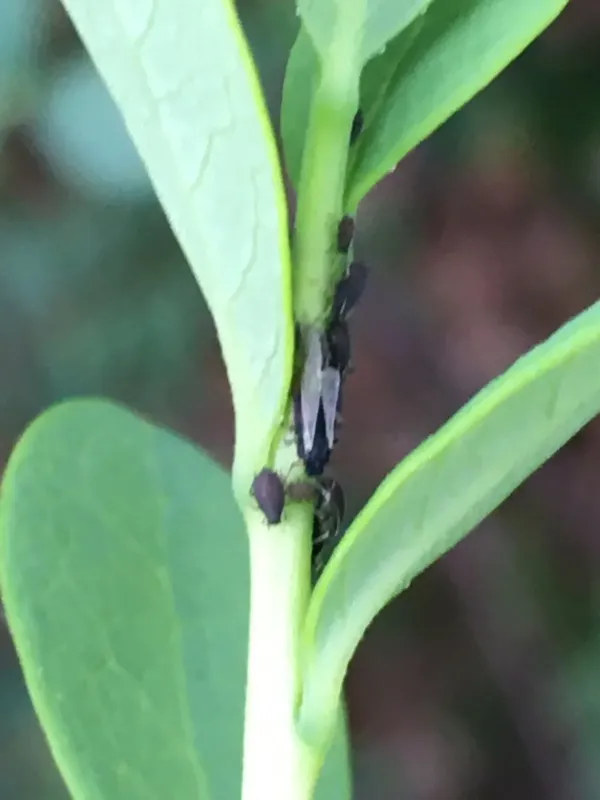
The blueberry aphid (Aphis vaccinii) is a small insect belonging to the order Hemiptera and the family Aphididae. These pests typically measure about 1.5–2 mm and have a dark brown or blackish appearance.
Their life cycle is closely tied to plants in the Ericaceae family. They overwinter as eggs on the stems of the host plant, hatching into stem mothers in early spring to begin the new season's population.
Equipped with piercing-sucking mouthparts, these insects are highly adapted to feeding on the nutrient-rich phloem sap of young leaves and tender shoots of blueberries and related species.
The species reproduces parthenogenetically during the summer months, allowing populations to grow rapidly under favorable warm and humid weather conditions.
Understanding their developmental cycle is crucial for growers, as timing interventions before population explosions is the most effective way to protect the crop.
What it damages
Blueberry aphids primarily attack cultivated and wild blueberries, cranberries, and other Vaccinium species. They concentrate their feeding on the underside of young leaves and shoot tips.
Feeding activities sap the plant's energy, causing stunted growth, leaf curling, and overall plant decline, which directly impacts fruit production potential.
Heavy infestations can lead to a significant decrease in berry yield and fruit quality, making the produce less marketable and economically viable for commercial farms.
Additionally, the excretion of honeydew promotes the growth of sooty mold, which blocks sunlight from reaching the leaf surface, further inhibiting vital photosynthetic processes.
Persistent infestations weaken the plant's immune system, making it more susceptible to secondary fungal infections and other environmental stressors throughout the growing season.
Signs of infestation
Visible signs of infestation include the curling and yellowing of young leaves, which often lose their natural vigor and start to show signs of premature wilting.
The presence of a sticky substance known as honeydew on the leaves and stems is a strong indicator of aphid activity, often accompanied by increased ant traffic.
Terminal shoots may become twisted or deformed and stop growing, which is a clear physical symptom that the colony is actively draining the plant's resources.
Close inspection of the leaf undersides or the soft growth at the top of the plant will reveal clusters of these small, dark insects in various stages of development.
If left unchecked, a black sooty mold fungus may develop on the honeydew deposits, creating a dirty appearance on the foliage and reducing plant health.
Control measures
Effective management of the blueberry aphid involves a combination of monitoring, biological controls, and judicious use of chemical pesticides when necessary.
Maintaining a healthy plant through proper irrigation and balanced fertilization helps the bush resist minor infestations, while avoiding excessive nitrogen prevents overly succulent growth.
Biological control agents such as lady beetles, lacewings, and hoverflies are natural predators that can keep aphid populations below damaging levels if their habitats are protected.
If chemical intervention is required, growers should select selective insecticides that minimize harm to beneficial insects and follow strict pre-harvest intervals.
Regular scouting of plantations, especially during the early spring growth flush, allows for early detection and targeted treatments, significantly reducing the need for broad-spectrum spraying.
Taxonomy
- Latin name
- Aphis vaccinii
- Order
- Hemiptera (bugs, aphids, leafhoppers)
- Family
- Aphididae
- EPPO code
- APHIVC
Discussion
No discussions yet — be the first.