
Odina Aphid
Aphis odinae
Description
How to identify
The Odina aphid (Aphis odinae) belongs to the order Hemiptera and the family Aphididae. It is a specialized pest known to infest several types of trees and ornamental shrubs, often causing significant stress to its host plants.
Adult aphids are characterized by a dark brown to black coloration. Their small, oval-shaped bodies make them well-camouflaged against the dark bark or stems of their host plants, where they typically reside in dense colonies.
Winged forms, known as alatae, play a crucial role in the dispersal of the species. These individuals allow the population to migrate to new, uncolonized plants, ensuring the spread of the infestation throughout the field or garden.
Nymphs resemble the adults but are generally smaller in size and possess lighter pigmentation. They are found clustered together, feeding on the most succulent parts of the plant.
Taxonomically, this species is identified by specific morphological features, including the length of the antennae and the structure of the siphunculi, which are essential for specialists in entomology.
What it damages
The primary hosts of Aphis odinae include plants from the Anacardiaceae family, such as mango trees. However, they are also known to affect various ornamental species and other woody perennials.
Aphids cause damage by inserting their stylets into plant tissues and extracting large quantities of phloem sap. This constant drainage of nutrients deprives the plant of the energy needed for growth and fruit production.
Symptoms of infestation include severe leaf curling, deformation of growing tips, and yellowing of the foliage. As the plant loses vitality, overall growth slows down significantly, and the plant becomes prone to other secondary infections.
The excretion of honeydew provides a substrate for the growth of sooty mold, a black fungus that covers leaves. This layer impairs the plant's ability to perform photosynthesis by blocking sunlight and clogging stomata.
Heavy infestations can lead to premature fruit drop and flower abortion, which are major concerns for commercial growers, as these directly reduce the total yield of the crop.
When it appears
The Odina aphid thrives in warm, tropical, and subtropical climates. In such environments, they can remain active throughout the year, provided there is a continuous supply of young, nutritious plant growth.
Peak populations are usually observed during the dry season or immediately following the flush of new vegetative growth. High temperatures generally accelerate the developmental cycle from egg to adult.
Reproduction is primarily parthenogenetic, allowing females to produce large numbers of offspring without the need for mating. This facilitates rapid population growth when environmental conditions are optimal.
Migration typically peaks when the density of the existing colony becomes too high or the host plant quality declines. Winged adults then take flight to locate new, healthier plants.
In cooler regions, the insect may pass the winter in the egg stage, attached to bark crevices or near bud scales. As spring temperatures rise, the eggs hatch into fundatrices, starting the new season's population.
Signs of infestation
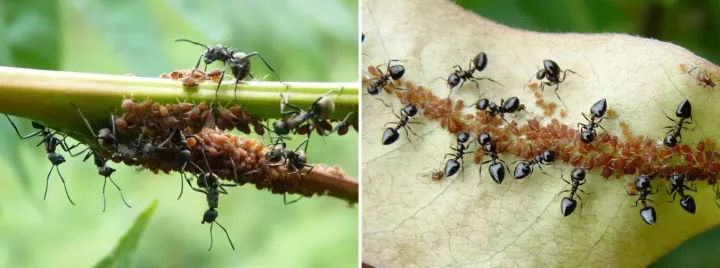
The most immediate sign of an Aphis odinae infestation is the visual observation of dark, huddled masses of aphids on young, tender shoots and at the base of leaves.
The presence of sticky, shiny honeydew on the foliage is a telltale sign. This substance is often followed by the appearance of dark sooty mold, which creates a dirty look on the plant's surface.
Curling and wilting of new, terminal leaves are common. The aphids congregate on these soft tissues because the sap is easier to access compared to the thicker, mature leaves.
The activity of ants on the plant is a strong indicator of an aphid colony. Ants are attracted to the honeydew and often form a mutualistic relationship with the aphids, aggressively protecting them from predators.
Reduced plant vigor and the presence of aborted buds or flowers are indirect signs that the infestation has reached a level severe enough to cause significant physiological stress to the plant.
Control measures
Effective management of the Odina aphid requires a multi-pronged approach that targets both the aphids and the ant colonies that protect them.
- Regular monitoring of new growth to detect the early arrival of winged colonizers.
- Pruning and destroying heavily infested shoots to physically reduce the pest population.
- Encouraging natural predators such as lady beetles, lacewings, and syrphid fly larvae in the garden.
- Using horticultural soaps or neem oil as a contact treatment to manage mild to moderate infestations.
- Applying systemic insecticides when threshold levels are exceeded to provide long-lasting control.
It is essential to ensure that chemical applications are carried out responsibly, avoiding periods when beneficial pollinators are most active on the plants.
Implementing proper fertilization practices is key; plants with a balanced nutrient profile are generally less attractive to aphids than those receiving excessive nitrogen, which induces soft, watery growth.
By controlling the ant populations, the effectiveness of natural aphid predators is greatly improved, as ants will no longer interfere with the work of these beneficial insects.
Taxonomy
- Latin name
- Aphis odinae
- Order
- Hemiptera (bugs, aphids, leafhoppers)
- Family
- Aphididae
- EPPO code
- TOXOOD
Discussion
No discussions yet — be the first.