
Buckthorn aphid
Aphis nasturtii
Description
How to identify
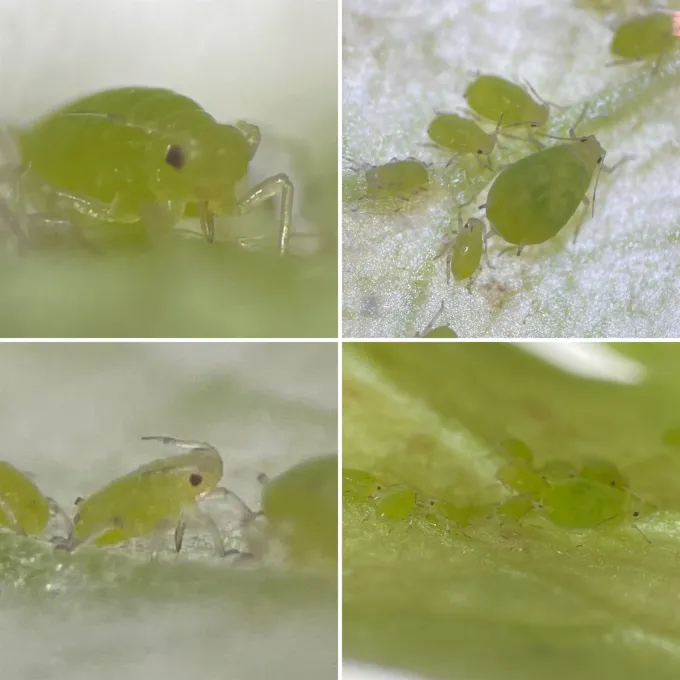
The buckthorn aphid (Aphis nasturtii) is a small insect belonging to the family Aphididae. Adults typically measure between 1.5 and 2.0 mm in length, with a body color ranging from light yellow to olive-green or brownish, depending on the host plant.
This species exhibits a complex life cycle, alternating between its primary woody host, the buckthorn (Rhamnus), and various herbaceous secondary hosts. Wingless and winged forms occur, with the latter facilitating migration during the summer months.
Nymphs resemble smaller versions of the adults, developing through several instars before reaching maturity. The rapid transition between generations allows populations to explode in size under favorable temperate conditions.
The overwintering stage consists of eggs laid on the twigs of buckthorn shrubs. As temperatures rise in the spring, these eggs hatch into stem mothers that initiate the primary colonies of the season.
Identification is often based on the observation of colony behavior on the undersides of leaves and apical shoots. Their specialized mouthparts are perfectly adapted to piercing plant tissue and extracting phloem sap.
What it damages
The buckthorn aphid is a significant pest of several crops, most notably potatoes, but it also attacks other vegetables and weeds. The feeding activity causes direct physical damage by removing essential plant nutrients and water.
As the aphids feed, they inject saliva into the host plant, which often contains enzymes that induce leaf curling and deformation. This physiological stress can lead to stunted growth and reduced vigor of the entire crop.
Beyond direct damage, this aphid species is a notorious vector of various plant viruses. It plays a critical role in the transmission of several potato viruses, which can severely compromise crop health and yield quality.
Heavy infestations lead to the rapid yellowing of leaves and the dehydration of tender shoots. If left unmanaged, the plant's capacity for photosynthesis is drastically reduced, leading to poor tuber development.
The presence of these pests creates a ripple effect in agricultural production. By weakening the plant, the aphid renders it more susceptible to secondary fungal and bacterial pathogens that further destroy the crop.
Signs of infestation
One of the most apparent signs of an infestation is the curling and twisting of leaves, particularly on the apical buds of plants. These leaves may show chlorotic spots that eventually turn brown or necrotic.
Sticky secretions known as honeydew are often present on the leaf surfaces, attracting ants and facilitating the growth of sooty mold. The black mold growth blocks sunlight and further reduces the plant's photosynthetic efficiency.
The presence of ants is a strong indicator of aphid activity. Ants aggressively protect these colonies from predators in exchange for the sugary honeydew, making them a telltale sign of an active aphid population.
When inspecting the plants, white cast-off skins (exuviae) are often visible on the foliage or the ground beneath. These small remnants indicate that the aphids have been molting and are growing in number.
In cases of severe infestation, the plant may show signs of premature wilting or stunting. This loss of turgor is a direct result of the insects' constant extraction of fluids from the plant's vascular system.
Control measures
Effective management begins with monitoring and cultural practices. Removing buckthorn bushes near potato fields can significantly reduce the pressure from early-season colonization and limit the spread of virus-carrying aphids.
Chemical control involving systemic insecticides is often necessary when populations exceed economic thresholds. Timing the application is crucial to protect the plants during their most vulnerable growth stages.
- Application of selective insecticides to target aphids while minimizing impact on beneficial insects.
- Rotation of chemical classes to prevent the development of resistant aphid populations.
- Encouraging natural enemies such as ladybeetles and lacewings through habitat management.
- Regular field scouting to identify hotspots before they spread across the entire planting.
After harvest, cleaning up plant debris is essential to eliminate overwintering sites. Ensuring that no weeds or crop remnants remain in the field helps disrupt the aphid's lifecycle for the following season.
Adopting an Integrated Pest Management (IPM) approach is highly recommended. By combining monitoring, biological control, and targeted chemical applications, growers can effectively manage buckthorn aphid populations without excessive environmental impact.
Taxonomy
- Latin name
- Aphis nasturtii
- Order
- Hemiptera (bugs, aphids, leafhoppers)
- Family
- Aphididae
- EPPO code
- APHINA
Discussion
No discussions yet — be the first.