
Citrus aphid
Aphis aurantii
Description
How to identify
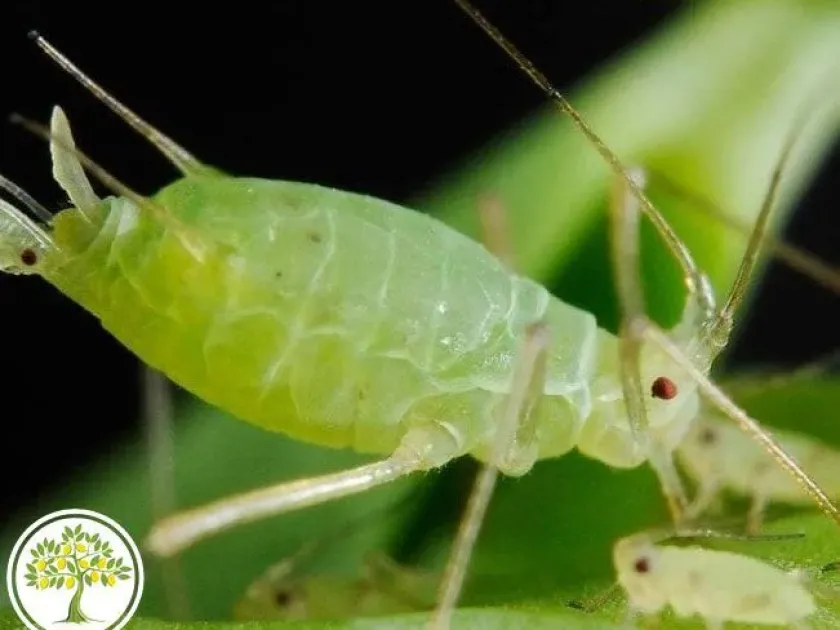
The citrus aphid (Aphis aurantii), also known as the black citrus aphid, is a member of the Aphididae family. It is a small insect, typically measuring 1 to 2 mm in length, with an olive-brown to shiny black coloration.
These insects reproduce mainly through parthenogenesis, allowing populations to explode within a short period. In greenhouse environments or subtropical climates, they can remain active throughout the year without entering dormancy.
Citrus aphids prefer tender, actively growing tissues such as shoot tips and young leaves. They congregate in dense colonies, which makes them highly visible once the population has reached a significant size.
They maintain a mutualistic relationship with ants, which protect the aphid colonies from natural predators in exchange for the honeydew the aphids secrete. This behavior is a major challenge for biological control efforts.
The species is primarily distributed in tropical and subtropical regions. It thrives in humid conditions and can quickly colonize large areas of an orchard if not monitored closely.
What it damages
The primary hosts of this pest are citrus species, including lemons, oranges, and mandarins. The damage caused can be severe in both commercial orchards and ornamental citrus plantings.
Beyond citrus, it affects a wide range of plants, including coffee, cocoa, and camellias. This broad host range facilitates the movement of the pest between different types of vegetation in a landscape.
Aphids damage plants by inserting their mouthparts into the phloem and sucking out plant sap. This direct feeding stresses the plant, slows down growth, and can cause significant yield reduction.
The injection of toxic saliva during feeding causes the leaves to curl, twist, and deform. These distorted leaves often lose their function, and if the infestation is heavy, it may lead to premature leaf drop.
Perhaps the most dangerous aspect of citrus aphid activity is its role as a vector for various plant viruses, such as Citrus tristeza virus, which can cause devastating economic loss in citrus production.
Signs of infestation
The most obvious sign of an infestation is the presence of dark-colored colonies clustered on the undersides of leaves or along young succulent stems and twigs.
Honeydew, a sticky, sugary substance secreted by the aphids, accumulates on the leaves. This substance is a telltale sign of heavy aphid presence on the plant foliage.
The development of sooty mold is a common secondary symptom. This black, fungus-like growth thrives on the honeydew, coating the leaves and severely hindering the plant's ability to perform photosynthesis.
Severe leaf curling and shoot distortion are classic indicators. When looking at a citrus tree, stunted and malformed new growth is a strong suggestion that aphids are present.
The increased presence of ant activity on the tree is a behavioral sign. If you see lines of ants traveling up and down the branches, it is almost certain they are tending to a colony of aphids.
Control measures
Integrated Pest Management (IPM) is the most effective way to control the citrus aphid. This involves combining cultural, biological, and chemical methods to minimize crop damage.
Biological control using natural predators like lady beetles (Coccinellidae), lacewings, and parasitic wasps is highly effective in greenhouses and during low-to-moderate infestation levels.
Chemical control using systemic insecticides is recommended during severe outbreaks. These products are absorbed by the plant and kill the aphids when they feed on the sap, providing residual protection.
Cultural practices, such as pruning and destroying heavily infested shoots, can help lower the population density. Good orchard hygiene is essential to prevent the spread of the pest.
- Regular monitoring of new foliage and shoot tips
- Ant control to deny them access to the canopy
- Use of horticultural oils or soaps for early-stage infestations
- Ensuring proper plant nutrition to increase resistance
Taxonomy
- Latin name
- Aphis aurantii
- Order
- Hemiptera (bugs, aphids, leafhoppers)
- Family
- Aphididae
- EPPO code
- TOXOAU
Discussion
No discussions yet — be the first.