
Aphelenchoides saprophilus
Aphelenchoides saprophilus
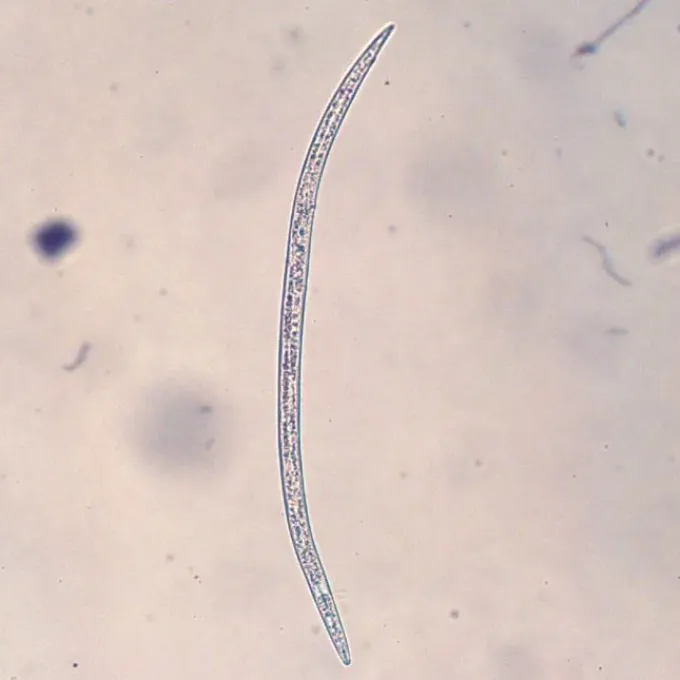
Description
How to identify
Aphelenchoides saprophilus is a microscopic nematode species belonging to the family Aphelenchoididae. It is primarily known as a mycophagous (fungus-feeding) nematode that inhabits soil, organic matter, and decomposing plant tissues.
These nematodes are extremely small and transparent, making them invisible to the naked eye. Identification requires precise diagnostic procedures in a nematology laboratory, typically involving soil or tissue extraction methods like the Baermann funnel.
The biology of this species is highly adaptive. It thrives in moist, organic-rich environments and can persist in various life stages, including anhydrobiosis, when environmental conditions become unfavorable for active growth.
Taxonomically, it falls under the order Tylenchida. It features a characteristic stylet used for piercing and feeding. While its primary food source is fungal mycelium, its ability to associate with plants often leads to secondary pathological effects.
Population growth can be rapid given the right temperature and substrate conditions. Their small size and high mobility in moisture films allow them to spread efficiently within greenhouses, nursery beds, and mushroom production facilities.
What it damages
Although typically saprophytic, Aphelenchoides saprophilus can become a serious pest under intensive cultivation. It damages plants by feeding on both root tissues and leaves, often causing necrosis, chlorosis, and severe stunting.
The damage is compounded by the nematode's role as a vector for various plant pathogens. By creating openings in tissues with their stylets, they facilitate the entry of bacteria and fungi, which eventually lead to plant rot and tissue collapse.
Greenhouse ornamentals and vegetable seedlings are particularly susceptible. In these environments, the nematodes can thrive in potting media, leading to uneven crop development and significant financial losses due to plant mortality and reduced marketability.
In mushroom cultivation, this species is considered a detrimental pest. It feeds on the mushroom mycelium, causing the formation of empty patches in the beds and preventing proper fruit body development, which can ruin entire production cycles.
The economic impact is often underestimated because symptoms can be mistaken for nutrient deficiencies or common fungal diseases. Without proper diagnostics, growers may attempt incorrect treatments, allowing the population to reach damaging levels.
Signs of infestation
Initial signs of infestation in plants include general wilting and reduced vigor. Leaves may exhibit yellowing or localized necrotic spots, and in many cases, the plant appears to be suffering from water stress despite sufficient soil moisture.
Root systems may appear poorly developed or stunted. In advanced stages, localized areas of the root system may turn brown and rot, as the nematodes disrupt the plant's ability to take up water and essential nutrients effectively.
In a greenhouse setting, look for patches of unhealthy or stunted plants. These patches often spread slowly from an initial point of contamination, such as a contaminated batch of soil or infected seedling trays, across the cultivation area.
Signs of infestation in mushroom beds involve the disappearance of white mycelium and the emergence of soft, watery areas. The presence of a foul odor often indicates that the nematodes have introduced decay-causing bacteria.
Monitoring should include regular microscopic checks of roots and growing media. If suspected, sending samples to a diagnostic laboratory for extraction is the only reliable way to confirm the presence of Aphelenchoides saprophilus.
Control measures
Prevention is the most effective management strategy. Using heat-sterilized soil or pasteurized growing media ensures that the nematode population is eliminated before planting begins, providing a clean start for the crop.
Proper water management is essential. Avoiding overly wet or waterlogged conditions reduces the environment favorable for nematode movement and reproduction. Ensuring good drainage is critical in greenhouse and indoor agricultural setups.
Maintain strict sanitation practices for tools, equipment, and trays. Disinfecting all items used in cultivation with appropriate chemical solutions prevents the mechanical transfer of nematodes from one area or crop batch to another.
Chemical control with nematicides can be utilized when populations exceed the economic threshold, but they should be applied with caution, keeping in mind the residual effects and the necessity of adhering to safety harvest intervals.
Biological controls, such as introducing predatory fungi or beneficial bacteria, can help manage populations in an integrated pest management (IPM) framework. These natural enemies can create a suppressive environment that keeps the nematode numbers low.
Taxonomy
- Latin name
- Aphelenchoides saprophilus
- Order
- Nematodes
- Family
- Aphelenchoididae
- EPPO code
- APLOSR
Discussion
No discussions yet — be the first.