
Cereal root aphid
Anoecia major
Description
How to identify
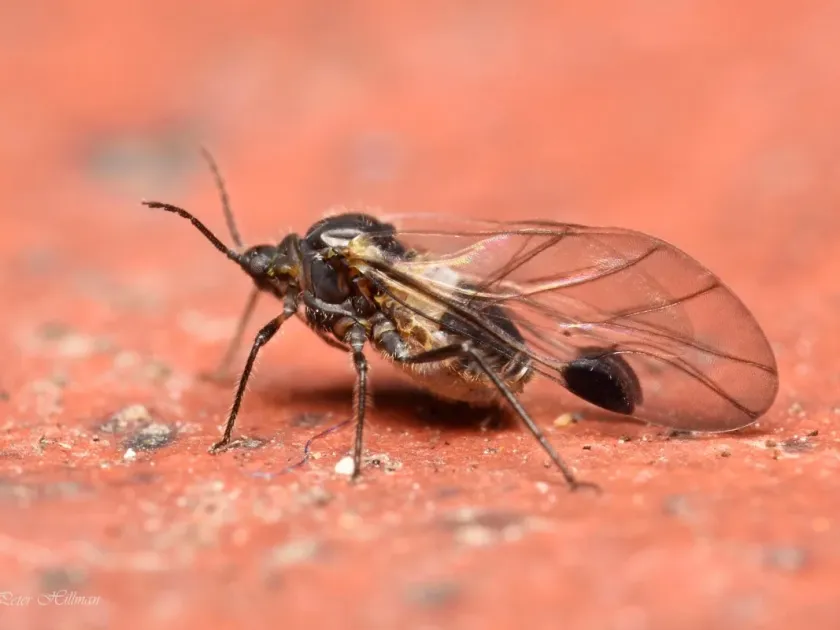
The cereal root aphid (Anoecia major) is a pest belonging to the family Anoeciidae (formerly classified within Aphididae) of the order Hemiptera.
These aphids are small, oval-shaped insects with body colors ranging from yellowish-brown to reddish-brown, often featuring darker patches on the abdomen.
A key identification characteristic is the presence of long, distinct hairs on the body, which requires microscopic examination for precise classification.
The species is primarily subterranean, spending most of its life cycle underground on the root systems of host plants, which makes detection challenging for farmers.
Their life cycle is highly dependent on a mutualistic relationship with ants, which protect the aphid colonies from natural predators and assist in their transport within the soil.
What it damages
The primary hosts of Anoecia major include various cereal crops such as wheat, barley, and oats, alongside several common wild grasses found in field margins.
By feeding on the roots, these aphids extract essential plant sap, leading to nutrient deficiency, retarded growth, and significantly reduced plant vigor.
Direct damage to the root system interferes with water and mineral uptake, making crops susceptible to drought stress and secondary soil-borne infections.
Infestations are often patchy, appearing as yellowed or stunted areas within a field where the aphid population density has reached an economic threshold.
Severe infestations result in a loss of stand uniformity and can lead to significant yield reductions, especially if the plants are already under nutritional stress.
When it appears
The development cycle of this aphid is complex and often involves migration between primary woody hosts and secondary cereal hosts throughout the growing season.
In the spring, overwintering eggs hatch, and the developing nymphs move into the soil to establish new colonies on the emerging root systems of cereal crops.
During the peak growing season, multiple generations are produced through asexual reproduction, allowing for rapid population growth under favorable weather conditions.
Winged forms (alates) may be produced during periods of high population density, facilitating the migration of the pest to adjacent uninfested fields.
As temperatures drop in autumn, sexual reproduction occurs, leading to the deposition of overwintering eggs in protected niches to survive the dormant period.
Signs of infestation
The earliest symptom of an infestation is the patchy yellowing of leaves and overall stunted appearance of plants, often mistakenly attributed to nutrient shortages.
Careful excavation of the root system often reveals colonies of aphids, sometimes accompanied by a white waxy secretion produced by the insects.
Increased ant activity around the base of the stems is a major indicator of potential root aphid presence, as ants often farm these insects.
Plants may exhibit signs of wilting even when soil moisture levels are adequate, which is a classic response to impaired root functionality.
Root systems of infested plants appear less developed and less branched compared to healthy plants, sometimes showing signs of tissue damage or darkening.
Control measures
Integrated pest management (IPM) for the cereal root aphid focuses on cultural practices and preventive measures to keep populations below damaging levels.
Treating seeds with systemic insecticides is the most effective way to protect young seedlings from early colonization during the vulnerable establishment phase.
Good weed control, especially eliminating alternative grass hosts in the off-season, is crucial to breaking the pest's cycle and preventing re-infestation.
Maintaining optimal soil fertility and crop health allows plants to better compensate for aphid feeding and reduces the overall impact on final yield.
- Regular monitoring of fields for ant activity.
- Use of insecticidal seed dressings.
- Crop rotation to reduce aphid population build-up.
- Careful elimination of grassy weeds in and around fields.
Taxonomy
- Latin name
- Anoecia major
- Order
- Hemiptera (bugs, aphids, leafhoppers)
- Family
- Aphididae
- EPPO code
- ANOEMA
Discussion
No discussions yet — be the first.