
Allygus
Allygus
Description
How to identify
The genus Allygus belongs to the order Hemiptera and the family Cicadellidae, commonly known as leafhoppers.
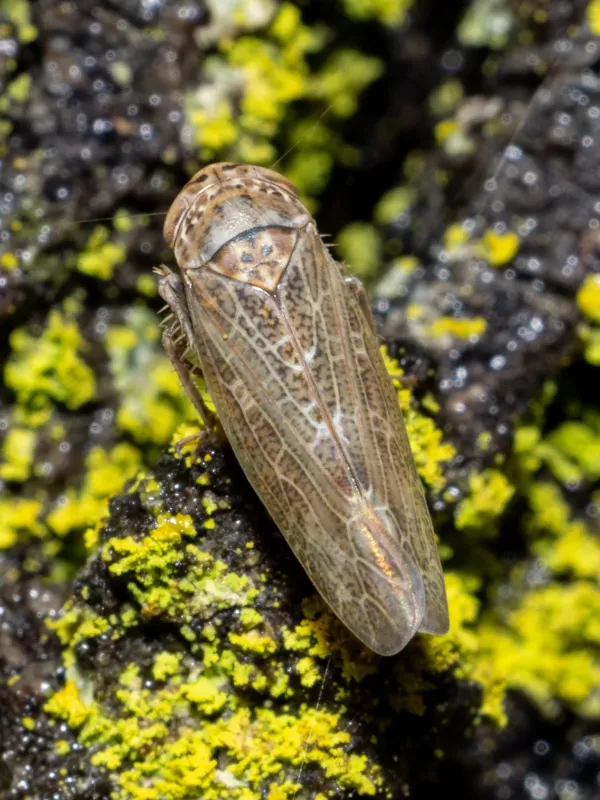
These insects are characterized by a streamlined body shape and typically measure between 5 and 7 millimeters in length.
They possess a well-developed pair of hind legs, which enable them to jump rapidly when threatened by predators or disturbed during garden work.
Their coloration is often brownish or grey with intricate patterns, providing effective camouflage against the bark and leaves of host plants.
Like other cicadellids, they utilize a piercing-sucking mouthpart to extract sap from plant tissues throughout their adult and larval stages.
What it damages
Allygus species primarily feed on various woody plants, including orchard trees like apple, pear, and several ornamental shrubs.
By extracting plant sap, they deplete the host's nutrient reserves, leading to reduced vigor and stunted growth of the affected parts.
Their most significant threat lies in their role as vectors for phytoplasmas, which are pathogens capable of causing serious plant diseases.
The feeding process causes local tissue damage, which creates entry points for secondary infections such as fungi and bacteria.
Severe infestations can lead to substantial yield losses and weaken the overall structural integrity of the affected trees over time.
When it appears
The life cycle of the Allygus leafhopper is highly dependent on environmental temperatures, with overwintering typically occurring in the egg stage.
The eggs are usually deposited under the bark or within the woody tissues of host plants, providing protection during cold winter months.
Nymphs emerge in spring as temperatures rise, immediately beginning to feed on emerging foliage to support their rapid development.
The population reaches its peak activity during the summer months, with adult insects being most visible during July and August.
By autumn, the life cycle completes as adults lay eggs for the next generation, preparing the population for the dormant winter period.
Signs of infestation
Early symptoms of infestation often include yellowing or mottled spots on the leaves, which result from the insect's sap-feeding habits.
A sticky substance known as honeydew is often present on leaves, which may subsequently attract ants or stimulate the growth of sooty mold.
In cases of phytoplasma transmission, leaves may exhibit unusual red or yellow discolorations, and shoots may show stunted or malformed growth.
A quick inspection of the foliage often reveals the presence of adult insects or cast-off larval skins on the underside of the leaves.
- Mottled or chlorotic leaf discoloration.
- Presence of honeydew and secondary sooty mold.
- Premature leaf drop or growth retardation.
Control measures
Regular monitoring of garden and orchard areas is essential to detect early signs of Allygus activity before populations become unmanageable.
Sanitary pruning and the removal of heavily infested branches help to physically reduce the number of insects residing on the plants.
Biological control, involving the protection of natural predators like spiders, lacewings, and parasitic wasps, is a viable management strategy.
Chemical applications should target the nymphal stages, as they are less mobile and highly susceptible to contact and systemic insecticides.
Integrated Pest Management (IPM) practices, including the rotation of pesticides, should be used to maintain orchard health while minimizing environmental impact.
Taxonomy
- Latin name
- Allygus
- Order
- Hemiptera (bugs, aphids, leafhoppers)
- Family
- Cicadellidae
- EPPO code
- ALLYSP
Discussion
No discussions yet — be the first.