
Dryandra whitefly
Aleurotrachelus dryandrae
Description
How to identify
The dryandra whitefly (Aleurotrachelus dryandrae) is a small insect belonging to the family Aleyrodidae. Adult specimens resemble tiny white moths, typically measuring 2–3 mm in wingspan.
Their bodies and wings are covered in a powdery white wax, which provides protection against environmental stress and moisture. This characteristic coating is a hallmark of the species.
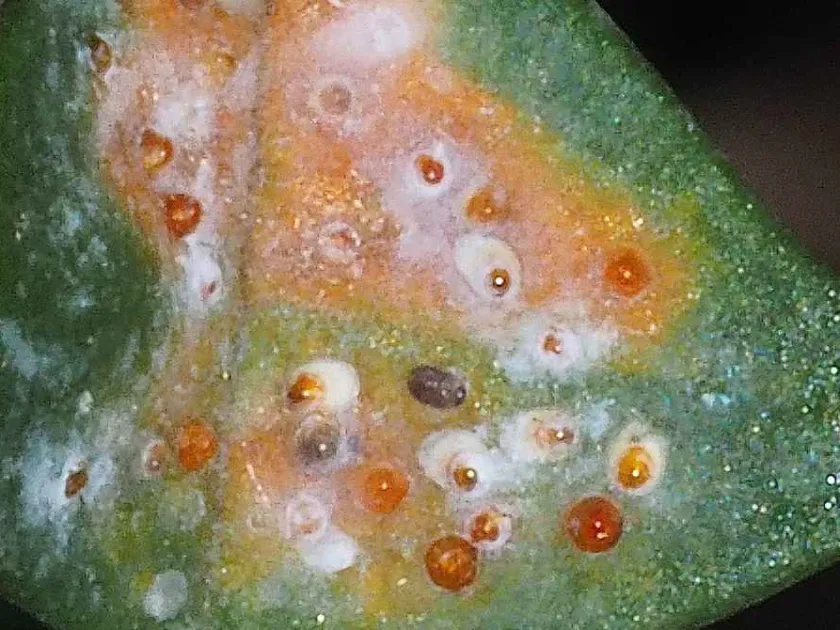
The life cycle includes a sessile pupal stage. These puparia are oval, flattened, and dark-colored, often found firmly attached to the undersides of the foliage.
Microscopic examination of the puparium, particularly the arrangement of wax secretions and breathing structures, is required for definitive identification of this specific whitefly species.
This pest is highly adapted to protected cultivation environments, where it can thrive on specific host plants throughout the year if temperatures remain moderate.
What it damages
The dryandra whitefly primarily infests ornamental evergreen plants, with a noted preference for members of the Proteaceae family in greenhouse and nursery settings.
Feeding occurs on the underside of leaves, where both nymphs and adults extract phloem sap. This constant sap depletion weakens the host plant significantly.
Affected foliage develops chlorotic spotting and yellowing, which eventually leads to premature leaf drop and a significant reduction in the aesthetic value of the plant.
Excrement from the whitefly (honeydew) promotes the rapid growth of sooty mold. This layer blocks light, hinders gas exchange, and further stresses the plant host.
Severe infestations can lead to stunted shoot growth, permanent deformity, and, if left unmanaged, the gradual decline and death of the colonized plant.
When it appears
Development is largely determined by temperature and humidity levels. In greenhouse conditions, the pest can undergo continuous, overlapping generations throughout the year.
High humidity and consistent temperatures accelerate the metabolic rate of the insects, significantly reducing the duration of each nymphal stage and increasing reproductive potential.
In outdoor environments, population density typically peaks during warmer months, when metabolic activity is optimized for rapid population expansion.
Eggs are deposited in clusters on the underside of young leaves, providing a protected microclimate for the emerging larvae to start feeding immediately.
The species typically overwinters in the pupal stage, allowing it to persist through unfavorable periods until conditions become suitable for the next active cycle.
Signs of infestation
The most obvious sign of an infestation is the sudden appearance of a "cloud" of small white flies when the infested plant is shaken or touched.
Inspection of the leaf undersides will reveal numerous dark, immobile puparia that are firmly glued to the leaf surface, often along the major veins.
Leaves often feel sticky to the touch due to the presence of honeydew, a liquid waste product secreted by the feeding larvae.
A black, powdery layer of sooty mold often develops on the leaves and stems, indicating that the infestation has been present for an extended duration.
Symptoms such as leaf curling, loss of vigor, and general lack of growth are reliable indicators that the plant is struggling with a whitefly colony.
Control measures
Management requires an integrated pest management (IPM) approach that combines cultural, biological, and chemical methods.
- Deploy yellow sticky traps to monitor adult population levels and reduce the initial number of reproductive individuals.
- Introduce natural predators or parasitoid wasps to keep populations below the economic damage threshold.
- Perform high-pressure water sprays on the foliage to physically dislodge nymphs and remove accumulated honeydew.
- Apply systemic insecticides specifically labeled for whitefly control, ensuring rotational use to prevent the development of pesticide resistance.
- Maintain strict quarantine and inspection protocols for all new plant material to prevent the introduction of this pest into greenhouses.
Taxonomy
- Latin name
- Aleurotrachelus dryandrae
- Order
- Hemiptera (bugs, aphids, leafhoppers)
- Family
- Aleyrodidae
- EPPO code
- ALTRDR
Discussion
No discussions yet — be the first.