
Aleurotrachelus whitefly
Aleurotrachelus
Description
How to identify
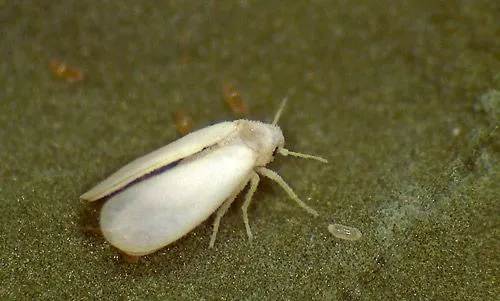
The Aleurotrachelus genus belongs to the Aleyrodidae family within the order Hemiptera. These are tiny insects, often referred to as whiteflies, characterized by adult stages that resemble small white moths.
The larval stages are sedentary and are frequently found on the undersides of leaves. Their flattened, oval appearance, often covered with a waxy secretion, allows them to blend in with the leaf surface, making detection challenging for untrained eyes.
Identification of specific species within this genus often requires microscopic examination of the pupal case, as the external features of the adults can be quite similar across various related groups.
The biological cycle consists of eggs, several larval instars, and a pupal stage. The duration of these stages is highly dependent on environmental factors, particularly temperature and humidity levels in the microhabitat.
These insects thrive in environments that provide protection from direct sunlight and harsh weather, making greenhouses and sheltered garden spots highly susceptible to infestations.
What it damages
This pest is a polyphagous species that infests a wide range of agricultural crops, including vegetables like tomatoes, peppers, and cucumbers, as well as various ornamental plants and trees.
By feeding on the sap, the insect drains vital nutrients from the host plant, leading to stunted growth, leaf chlorosis, and a significant decrease in overall yield quality and quantity.
A major indirect threat is the excretion of honeydew, a sticky substance that promotes the growth of sooty mold. This fungus forms a thick black layer that prevents sunlight from reaching the leaves, thereby inhibiting photosynthesis.
Beyond physical and nutrient depletion, Aleurotrachelus species can transmit plant viruses, which often pose a more severe threat to the crop than the direct feeding damage itself.
In large-scale agricultural settings, an unchecked infestation can lead to rapid spread across fields, resulting in substantial financial losses and potential quarantine situations.
Signs of infestation
The first sign of infestation is typically the presence of sticky honeydew on the leaf surfaces, which is often accompanied by the activity of ants attracted to this sugary secretion.
Soon after, a black, sooty mold develops on the leaves, creating a dirty appearance that does not wash off easily and significantly reduces the marketability of affected plants.
Closer inspection reveals discolored patches or yellowing on the foliage, often concentrated where the colonies of larvae are feeding on the underside of the leaves.
A highly characteristic sign is a "cloud" of white insects rising from the plant foliage when it is disturbed, before they quickly settle back down on the leaves to resume feeding.
In cases of heavy infestation, plants may show severe stress signs, including leaf curling, premature yellowing, and leaf drop, eventually leading to the death of the plant if not treated.
Control measures
Effective management begins with good agricultural practices, such as removing crop debris and weeds that could harbor whitefly populations between growing seasons.
Yellow sticky traps are an essential tool for monitoring population density and timing the application of control measures to prevent a full-blown infestation from developing.
Chemical control should involve the strategic rotation of insecticides with different modes of action to prevent the development of resistance, which is a common issue with whitefly species.
In greenhouse environments, biological control methods, such as introducing natural parasitoids or predators, are highly effective and help maintain an ecological balance within the crop system.
Always ensure that any chemical treatment adheres strictly to safety guidelines and pre-harvest intervals to ensure that the final product is safe for consumption and compliant with regulations.
Taxonomy
- Latin name
- Aleurotrachelus
- Order
- Hemiptera (bugs, aphids, leafhoppers)
- Family
- Aleyrodidae
- EPPO code
- ALTRSP
Discussion
No discussions yet — be the first.