
Woolly whitefly
Aleurothrixus trachoides
Description
How to identify
The woolly whitefly (Aleurothrixus trachoides) belongs to the Aleyrodidae family, order Hemiptera. Adult insects are tiny, white, and covered with a waxy powder, which gives them a distinctive appearance under magnification.
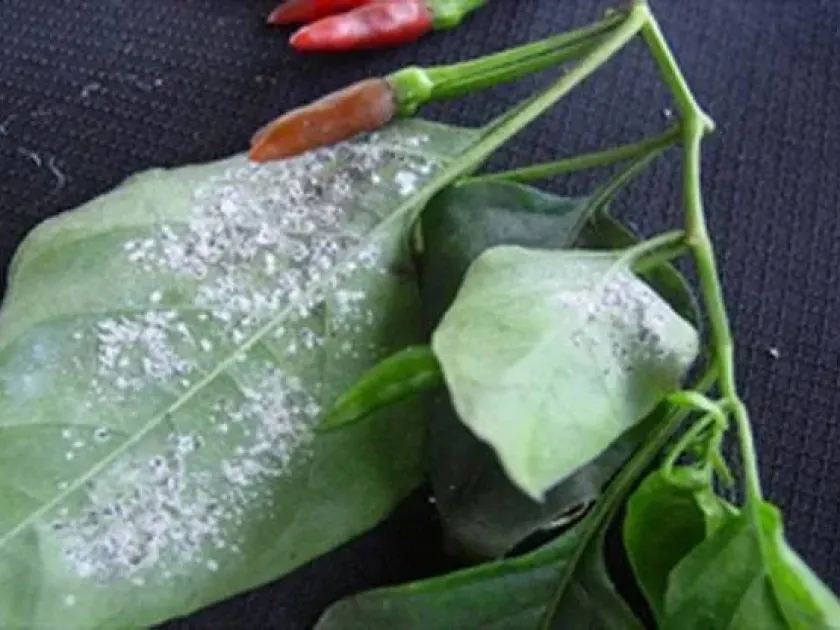
Nymphs of this species are oval-shaped and stationary. They are easily recognized by the presence of long, white, waxy filaments radiating from their bodies, which look like fine wool or bristles, providing protection against predators.
The life cycle encompasses the egg, nymph, and adult stages. Development is highly temperature-dependent, allowing for multiple generations annually in tropical and subtropical regions or within greenhouse environments.
Identification is primarily based on the examination of the pupal stage. The arrangement and morphology of the wax secretions on the pupae are critical markers that distinguish this species from other whitefly types.
These insects prefer the undersides of leaves where they are shielded from direct sunlight and environmental stress, making them difficult to detect during the early stages of a population outbreak.
What it damages
The primary hosts of the woolly whitefly are citrus species, including lemons, oranges, and grapefruit. However, it can also infest various ornamental plants, causing significant challenges for nursery and landscape management.
Both nymphs and adults feed by extracting plant sap. This process saps the plant of vital nutrients, leading to yellowing, leaf curling, and stunted growth, which severely weakens the host plant.
A major indirect impact is the excretion of honeydew, a sticky substance that promotes the growth of sooty mold. This black fungus covers the leaf surface, effectively blocking sunlight and interfering with photosynthesis.
Severe infestations lead to defoliation and a drastic reduction in fruit production. In citrus orchards, this can render the fruit unsellable due to the persistent black mold residue and lack of plant vigor.
Persistent feeding stress makes plants more susceptible to secondary pathogens, which can exacerbate the damage caused by the whitefly alone, leading to potential long-term decline of the plant structure.
Control measures
Integrated Pest Management (IPM) is essential for controlling this species. Cultural practices such as pruning to open the canopy improve airflow and light penetration, creating a less hospitable environment for the pest.
Monitoring using yellow sticky traps is a standard practice for early detection. These traps provide an accurate count of adult activity, allowing growers to time their intervention strategies precisely.
Biological control is highly effective for the woolly whitefly. Introducing natural enemies, such as parasitic wasps of the genus Encarsia or predatory beetles, can suppress populations without the need for broad-spectrum chemicals.
When chemical intervention is necessary, systemic insecticides applied as soil drenches or foliar sprays are preferred. It is crucial to rotate chemical classes to manage resistance development and preserve the effectiveness of the treatments.
Strict quarantine measures are vital for preventing the spread of the woolly whitefly. Always inspect new plants for signs of waxy residue on leaf undersides before integrating them into an existing cultivation system.
Taxonomy
- Latin name
- Aleurothrixus trachoides
- Order
- Hemiptera (bugs, aphids, leafhoppers)
- Family
- Aleyrodidae
- EPPO code
- ALTRTR
Discussion
No discussions yet — be the first.