
Maple whitefly
Aleurochiton acerinus
Description
How to identify
The maple whitefly (Aleurochiton acerinus) is a small sap-sucking insect belonging to the Aleyrodidae family. Adult individuals are characterized by their tiny, moth-like appearance, typically measuring about 2-3 mm in length, and are covered in a fine white powdery wax.
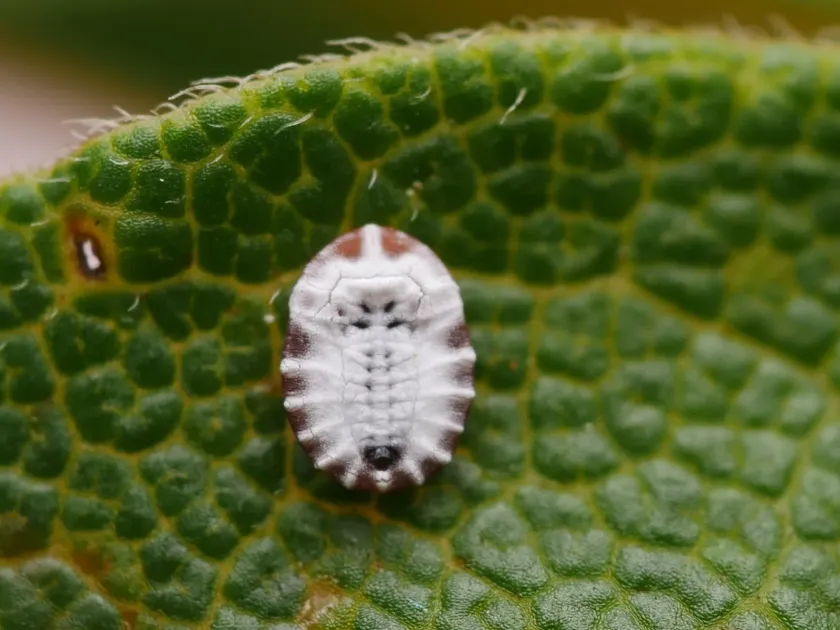
The immature stages (nymphs) are often mistaken for scale insects due to their flattened, oval, and sedentary nature. They adhere closely to the underside of maple leaves, blending into the leaf surface with a yellowish or translucent color.
The life cycle is closely synchronized with the phenology of the host tree. Adults emerge in spring, coinciding with leaf development, to mate and deposit eggs. The insect undergoes several nymphal instars before maturing into the adult stage.
Overwintering occurs primarily at the nymphal stage. These insects seek refuge in bark crevices or near dormant buds, which provides them with necessary protection against harsh winter temperatures.
Entomologists identify this species by observing the distinct wax morphology of the nymphs and the specific timing of the adult flight, which helps distinguish it from other whitefly species found on deciduous trees.
What it damages
The primary host for this pest is the maple (Acer) genus, including species like Norway maple. The insects are commonly found in both natural forests and urban landscapes, where they can reach significant population densities.
Damage is caused by both adults and nymphs feeding on the phloem sap of the tree. This continuous feeding depletes the tree's energy reserves and can disrupt normal physiological processes during the growing season.
A major indirect problem is the production of honeydew, a sugary substance excreted by the insects. This honeydew coats the leaf surface, creating an ideal substrate for the growth of sooty mold, which impairs photosynthesis.
When infestations are heavy, the foliage may exhibit chlorosis, premature yellowing, and leaf drop. This premature senescence affects the tree's ability to store nutrients, potentially impacting its hardiness and overall growth rate.
Economic damage is often more aesthetic in urban settings, where infested trees look unkempt due to the black sooty mold and sticky secretions, leading to costly maintenance interventions.
Signs of infestation
Early symptoms include the appearance of tiny white spots on the undersides of leaves, which are actually aggregations of nymphs covered in a characteristic white waxy secretion.
A sticky residue on the foliage, often followed by the development of a dark, powdery sooty mold, is a classic sign of high whitefly activity. This layer can sometimes be seen dripping onto sidewalks or cars below the tree.
During the peak of the adult stage, shaking a tree branch will cause a visible cloud of small white insects to take flight, which is an immediate indicator of a well-established population.
Leaves may show signs of curling or wilting, particularly in younger specimens that are heavily infested and cannot support the continuous nutrient loss caused by thousands of feeding insects.
In winter, finding small, flat, dark-colored scales attached to the bark near the base of buds confirms the presence of the pest and indicates a risk of recurrence in the following spring.
Control measures
Effective management begins with regular monitoring using yellow sticky traps to track population spikes and timing applications of systemic insecticides accordingly for maximum efficacy.
In gardens and public spaces, biological control is encouraged. Protecting natural predators, such as lady beetles, lacewings, and parasitic wasps, can significantly keep whitefly numbers under control without the need for synthetic chemicals.
Improving tree health through proper irrigation, mulching, and nutrition is essential. A healthy tree is more resilient and better equipped to withstand the stress induced by sap-sucking pests.
- Use systemic insecticides during the nymphal development stage.
- Spray foliage with water to remove honeydew and reduce sooty mold growth.
- Prune heavily infested twigs to lower the initial population.
- Ensure adequate tree spacing to improve airflow and reduce humidity.
When applying pesticides, it is crucial to follow local regulations and target the underside of the leaves to ensure that the chemical makes direct contact with the insects, thereby increasing the success of the treatment.
Taxonomy
- Latin name
- Aleurochiton acerinus
- Order
- Hemiptera (bugs, aphids, leafhoppers)
- Family
- Aleyrodidae
- EPPO code
- ALENAN
Discussion
No discussions yet — be the first.