
Aleurocanthus obovalis whitefly
Aleurocanthus obovalis
Description
How to identify
The Aleurocanthus obovalis is a species of whitefly belonging to the family Aleyrodidae, order Hemiptera. Adult insects are characterized by wings covered with a white waxy powder.
Identification of the species is typically performed by analyzing the puparium stage, as adults are morphologically similar to other members of the Aleurocanthus genus.
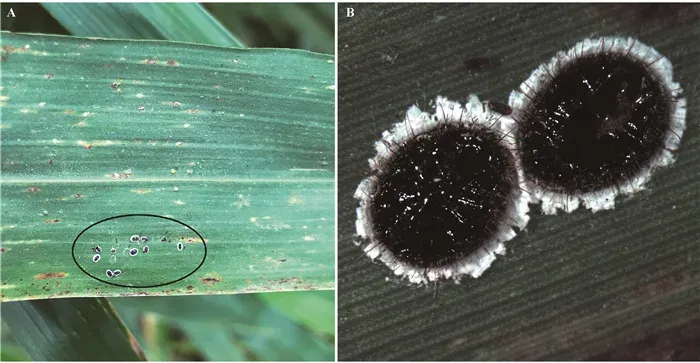
The larvae undergo several developmental stages, growing in size and developing a dark or black coloration with distinct waxy fringes along the body margins.
Experts often require microscopic examination of the pores and setae on the puparium to confirm the specific identity of this whitefly.
These insects thrive in warm and humid environments, which are conducive to rapid population growth and multiple generations per year.
What it damages
Aleurocanthus obovalis is a polyphagous pest, known to cause severe damage to ornamental trees, shrubs, and fruit crops, particularly citrus species.
By feeding on the plant sap, the whiteflies deplete the host's nutrients, which leads to stunted growth and reduced vigor of the entire plant.
The excretion of honeydew by the larvae provides a substrate for the growth of sooty mold, which creates a dark layer on the leaves.
Sooty mold accumulation significantly blocks sunlight, disrupting photosynthesis and leading to leaf chlorosis, premature defoliation, and shoot deformation.
Heavy infestations can result in total loss of plant aesthetic value and significant reductions in fruit yield and quality.
Signs of infestation
An initial indicator of an infestation is the presence of small, white-winged insects that fly off in clouds when the infested plant is shaken.
Dense clusters of larvae, appearing as flattened, dark-colored scales, can be found adhered to the undersides of leaves.
The presence of a sticky honeydew substance on leaves located below the infestation sites is a classic sign of active whitefly feeding.
A blackish, dusty coating (sooty mold) on the upper leaf surfaces is a clear indication that the infestation is well-established.
Leaf curling, yellowing, and eventual leaf drop are symptoms of advanced infestation and damage to the plant's vascular health.
Control measures
Managing Aleurocanthus obovalis requires a multi-faceted approach involving cultural, biological, and chemical control measures.
Cultural practices include regular pruning to remove infested branches and thinning the canopy to reduce humidity levels and improve air circulation.
Biological control agents, such as parasitoid wasps (e.g., Encarsia species), are highly effective at suppressing whitefly populations in orchards.
Chemical control using systemic insecticides is recommended during periods of high pest pressure to ensure effective coverage and population knockdown.
It is essential to rotate insecticides with different modes of action to prevent the development of pesticide resistance in the whitefly population.
Taxonomy
- Latin name
- Aleurocanthus obovalis
- Order
- Hemiptera (bugs, aphids, leafhoppers)
- Family
- Aleyrodidae
- EPPO code
- ALECOB
Discussion
No discussions yet — be the first.