
Cereal leaf miner
Agromyza nigrella
Description
How to identify
The cereal leaf miner (Agromyza nigrella) is a dipterous insect belonging to the family Agromyzidae. The adult fly is small, typically measuring 2–3 mm in length, with a dark, almost black body.
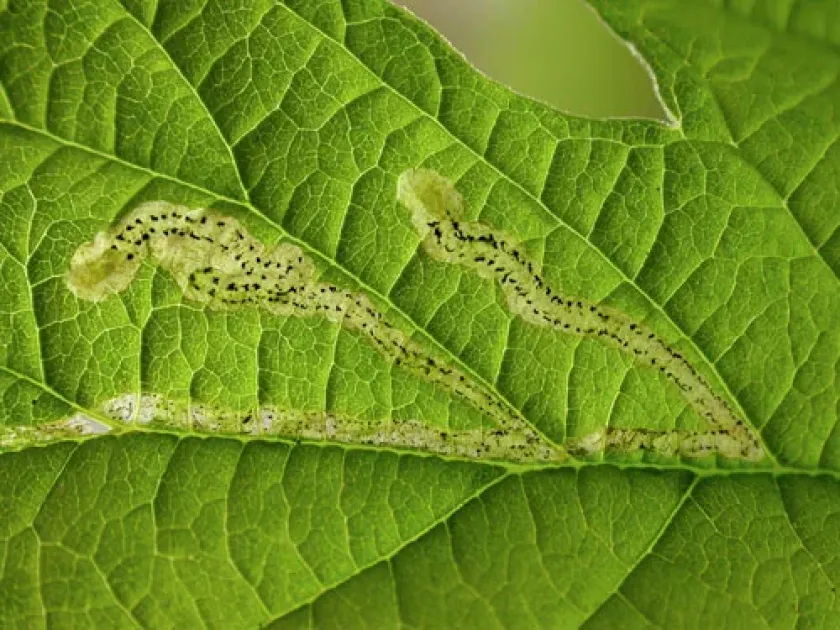
The larvae are legless, maggot-like creatures that feed internally within the leaf tissue. Their specialized mouthparts allow them to create tunnels, known as mines, inside the leaf blade.
The lifecycle includes eggs, larvae, pupae, and adults. The insect typically overwinters as a puparium (a protective shell of the pupa) within the soil or on plant debris, emerging in early spring.
Adults are active during the day, particularly in calm and warm weather. Their reproductive cycle is highly dependent on environmental conditions, allowing for multiple generations in a single season.
Proper identification requires looking for both the adult flies and the characteristic damage patterns on the foliage, as the larvae are rarely seen without opening the leaf tissue.
What it damages
The primary hosts of Agromyza nigrella include various cereal crops such as wheat, barley, rye, and oats. Wild grasses also serve as alternative food sources for the pest.
Larvae feed on the parenchyma tissue between the upper and lower leaf surfaces. This feeding process destroys the chlorophyll-containing cells, severely reducing the plant's photosynthetic capacity.
The most critical period of damage occurs during the tillering and stem elongation stages. Heavy infestation during these growth phases can significantly reduce biomass and final yield.
Damage to the flag leaf is particularly detrimental, as this leaf is essential for grain filling. Its destruction often leads to reduced grain weight and overall quality of the harvest.
Furthermore, the physical damage created by the larvae creates entry points for various bacterial and fungal pathogens, potentially leading to secondary disease outbreaks in the field.
When it appears
Adult activity begins in early spring, synchronized with the onset of the growing season for winter cereals. Warm temperatures accelerate the emergence of overwintering flies.
The first generation typically appears in mid-spring, with females laying eggs under the leaf epidermis. Larval development takes several weeks depending on the prevailing temperature.
Subsequent generations can occur throughout the summer, often feeding on volunteer cereals, grassy weeds, or spring-sown crops, maintaining the pest population in the agroecosystem.
Autumn infestations can occur on early-sown winter cereals. This can weaken young plants before winter dormancy, potentially reducing their tolerance to cold and winter kill.
Climatic factors, such as humidity and rainfall, play a role in the population dynamics, with moderate weather generally favoring the survival and spread of the pest.
Signs of infestation
Early signs of infestation appear as tiny, white feeding punctures or egg-laying spots on the upper leaf surface, created by female flies using their ovipositors.
The most distinct sign is the leaf mine itself: a winding, white to pale-green tunnel that widens as the larva grows. Dark frass (excrement) is usually visible inside these tunnels.
- Yellowing of the tips and margins of the infested leaves.
- Leaf curling, shriveling, and premature death of the affected foliage.
- Stunted plant growth within localized hotspots of infestation.
- Presence of a small larva inside the mine when inspected against bright light.
In cases of severe infestation, affected leaves may become brittle and snap, making it difficult to distinguish damage from nutrient deficiency or drought stress without close inspection.
Field monitoring should focus on early growth stages when the crop is most vulnerable and the presence of adult flies can be identified in the canopy.
Control measures
Cultural control is the first line of defense. Deep plowing of crop residues post-harvest helps bury and kill overwintering pupae, significantly reducing the initial population.
Weed management, particularly controlling wild grasses and volunteer cereals, is essential to deprive the pest of alternative hosts during the summer and autumn periods.
Adjusting sowing dates can help avoid the peak emergence periods of the flies, ensuring that young plants are less vulnerable during the initial stages of development.
If thresholds are exceeded, chemical control using systemic insecticides is necessary. Systemic products are required to reach and kill larvae feeding inside the leaf tissue.
Encouraging natural biological control agents, such as parasitic wasps that prey on leaf miner larvae, is a key component of an integrated pest management strategy to ensure long-term stability.
Taxonomy
- Latin name
- Agromyza nigrella
- Order
- Diptera (flies)
- Family
- Agromyzidae
- EPPO code
- AGMYNI
Discussion
No discussions yet — be the first.