
Alfalfa leafminer
Agromyza nana
Description
How to identify
The alfalfa leafminer (Agromyza nana) is a small dipteran insect belonging to the Agromyzidae family. Adult flies are typically about 2 mm long and possess a dark, sometimes iridescent body.
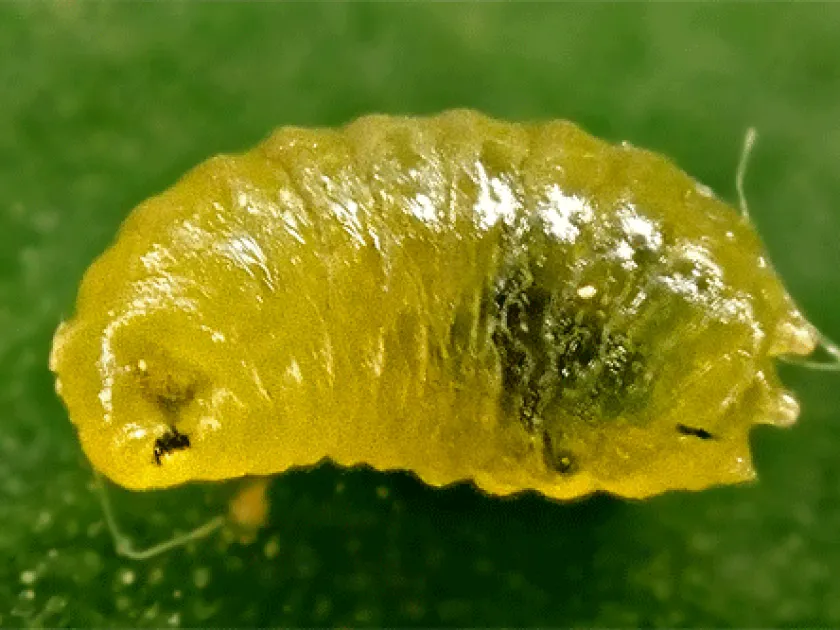
The larval stage is the most destructive, as they are internal feeders living between the upper and lower leaf epidermises, where they consume the nutrient-rich mesophyll tissue.
The lifecycle includes complete metamorphosis, consisting of the egg, larva, pupa, and adult stages. Depending on local climatic conditions, the pest can complete multiple generations per season.
Overwintering usually occurs in the pupal stage, buried in the soil or protected within plant debris, which allows the species to survive harsh winter conditions successfully.
To identify the presence of adults, agronomists typically use sticky traps or sweep nets during the active growing season, focusing on the early spring or late summer emergence periods.
What it damages
Alfalfa (lucerne) is the primary host for Agromyza nana. The larvae cause direct damage by feeding on the leaf tissue, which is vital for the plant's photosynthetic process.
While alfalfa is the preferred host, this pest can also infest other legumes such as white clover, sweet clover, and various wild leguminous weeds present in the field margins.
Severe infestations often result in significant loss of green forage biomass, reducing both the overall yield and the nutritional quality required for livestock feed.
In cases of high pest pressure, the plant's vigor is noticeably reduced, making it more susceptible to environmental stresses such as drought or secondary disease infections.
The economic threshold depends on the specific growth stage of the alfalfa, with young stands being particularly vulnerable to stunt-like damage caused by heavy leaf mining.
Signs of infestation
The most diagnostic sign of an infestation is the presence of serpentine or winding mines on the leaf surface, created by the larva as it feeds through the leaf interior.
These mines initially appear as narrow, light-colored lines, but as the larva matures, the mines broaden and become more visible against the green foliage.
Infested leaves often display chlorosis and wilting. As damage progresses, the leaves may become necrotic, brittle, and eventually drop off, leading to reduced canopy density.
A closer inspection of the leaf surface might reveal small dark spots within the mine, which are the fecal pellets left by the larvae as they progress through the leaf tissue.
When infestation levels are extreme, the cumulative effect of mining causes leaves to turn pale and dry up, which can be misidentified as nutrient deficiency or fungal pathogens.
Control measures
Cultural control is the most effective approach to managing the alfalfa leafminer. Frequent harvesting of alfalfa disrupts the lifecycle by removing larvae and eggs before they complete their development.
Deep plowing following the harvest cycle helps to bury pupae, preventing the emergence of the next generation of adults and significantly reducing the population pressure.
Field hygiene is essential; removing leguminous weeds from field edges helps eliminate alternative host sites, limiting the potential for re-infestation.
Chemical control should be considered a last resort. If insecticides are required, they should be applied based on systematic monitoring and follow local label recommendations.
- Regular harvesting of the crop
- Deep burial of plant residues
- Weed management in field margins
- Selective use of systemic insecticides
Taxonomy
- Latin name
- Agromyza nana
- Order
- Diptera (flies)
- Family
- Agromyzidae
- EPPO code
- ELLETR
Discussion
No discussions yet — be the first.