
Barley miner fly
Agromyza megalopsis
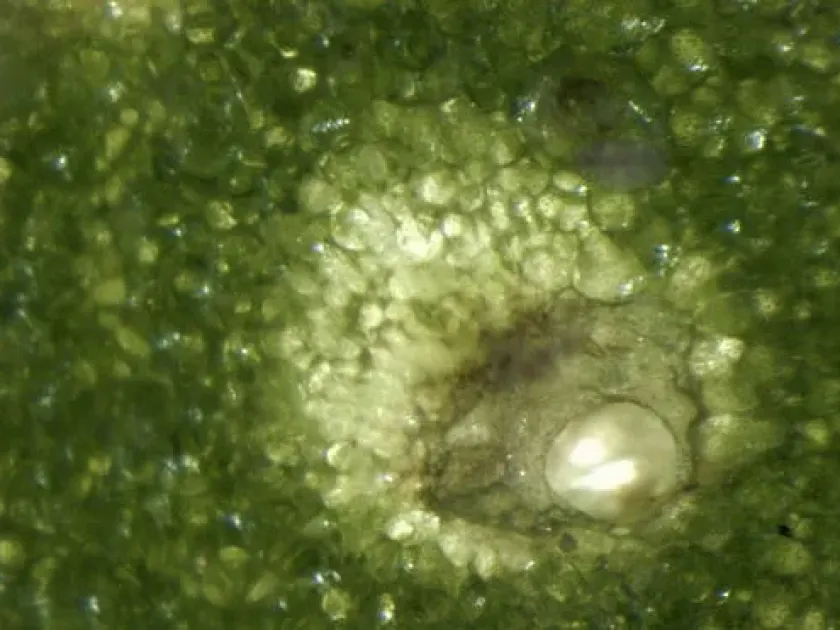
Description
How to identify
The barley miner fly (Agromyza megalopsis) is a dipteran insect belonging to the Agromyzidae family. It is a small fly with a dark body, usually measuring between 2 and 3 millimeters in length.
The larvae are legless and yellowish-white, specifically adapted to live within the mesophyll layer of leaves. Their hidden lifestyle makes early detection of the pest quite challenging for farmers.
The insect's life cycle varies depending on environmental conditions. It typically overwinters in the pupal stage within the soil or in crop residues, emerging as adults when spring temperatures increase.
Field scouting for this pest is usually conducted using yellow sticky traps to monitor the emergence of adults and the timing of their egg-laying activity on young cereal seedlings.
Understanding the biology of Agromyza megalopsis is crucial, as the timing of control measures depends heavily on identifying when the larvae are most active within the leaf tissue.
What it damages
The barley miner fly primarily attacks barley, wheat, rye, and various wild grass species. Damage is most significant when infestations occur during the early growth stages of the crop.
The larvae feed by creating narrow, serpentine tunnels (mines) between the leaf epidermal layers. By destroying the parenchyma tissue, they significantly inhibit the plant's ability to photosynthesize.
As the mines expand, the green area of the leaf is lost. This damage can lead to yellowing, stunted growth, and a reduction in the overall vigor of the infected plants.
Severe infestations cause premature senescence of leaves, which directly impacts the plant's capacity to fill grain, leading to lower yields and decreased grain quality.
The tunnels also serve as entry points for various bacterial and fungal pathogens, potentially leading to secondary infections that complicate the plant health status even further.
Signs of infestation
The most distinctive symptom is the presence of white or pale, winding, thread-like lines on the leaves, which become increasingly visible as the larvae consume more tissue.
When inspecting the leaves closely, you may see dark, granular spots inside the mines, which are the excrement deposits left behind by the developing larvae.
Infected leaves often lose their deep green color, showing signs of chlorosis. In severe cases, the leaf tips start to dry out, curl, and eventually die prematurely.
Weakened plants may show symptoms of growth retardation, failing to reach the same height or biomass as healthy neighboring plants in the same field.
An uneven field appearance, characterized by patches of chlorotic or withered leaves, is a strong indicator that the crop is under pressure from leaf-mining pests.
Control measures
Effective crop rotation is the primary strategy to disrupt the life cycle of the barley miner fly, as it prevents the pest from re-establishing in the same field year after year.
Deep autumn plowing helps bury crop residues and pupae deep in the soil, effectively reducing the number of adult flies that can emerge during the following growing season.
Implementing proper weed management, especially targeting wild grasses, eliminates alternative host plants and reduces the overall pest pressure on main crops.
If the infestation exceeds economic thresholds, systemic insecticides are recommended. These chemicals travel through the plant tissue to reach larvae hiding safely inside the leaves.
Promoting vigorous plant growth through balanced fertilization allows the crop to better withstand damage and recover more efficiently from the negative effects of the larvae.
Taxonomy
- Latin name
- Agromyza megalopsis
- Order
- Diptera (flies)
- Family
- Agromyzidae
- EPPO code
- AGMYME
Discussion
No discussions yet — be the first.