
Pea leaf miner
Agromyza lathyri
Description
How to identify
The pea leaf miner (Agromyza lathyri) is a small fly belonging to the Agromyzidae family. These insects are known for their larvae, which spend their development stage inside the leaves of host plants.
Adult flies are typically dark-colored and measure only a few millimeters in length. They are most active during the growing season, searching for suitable host plants to lay their eggs.
Larvae are legless, pale, and worm-like in appearance. They are highly specialized to live between the epidermal layers of a leaf, feeding on the inner parenchyma tissue.
The life cycle encompasses four stages: egg, larva, pupa, and adult. The development speed is highly dependent on ambient temperature, with multiple generations possible during a single summer.
Overwintering usually occurs as pupae buried in the soil or within decaying plant debris from the previous season, allowing the flies to emerge early in the spring.
What it damages
This pest specifically targets plants within the Fabaceae family. While it prefers the Lathyrus genus, it frequently causes economic damage to peas and other related legume crops.
Adult females cause damage during the egg-laying process. They use their ovipositors to puncture the leaf surface, which causes small necrotic spots to appear on the foliage.
The real damage is caused by the larvae, which mine through the leaf tissues. These tunnels, or mines, disrupt the plant's photosynthetic ability, leading to reduced energy production and stunted growth.
Severe infestations result in extensive leaf yellowing, browning, and premature drop. This significantly weakens the plant and can lead to a substantial reduction in seed yield and overall crop health.
In addition to direct damage, the entry points created by the flies and larvae serve as portals for secondary pathogens, such as fungi and bacteria, which can cause further tissue decay.
Signs of infestation
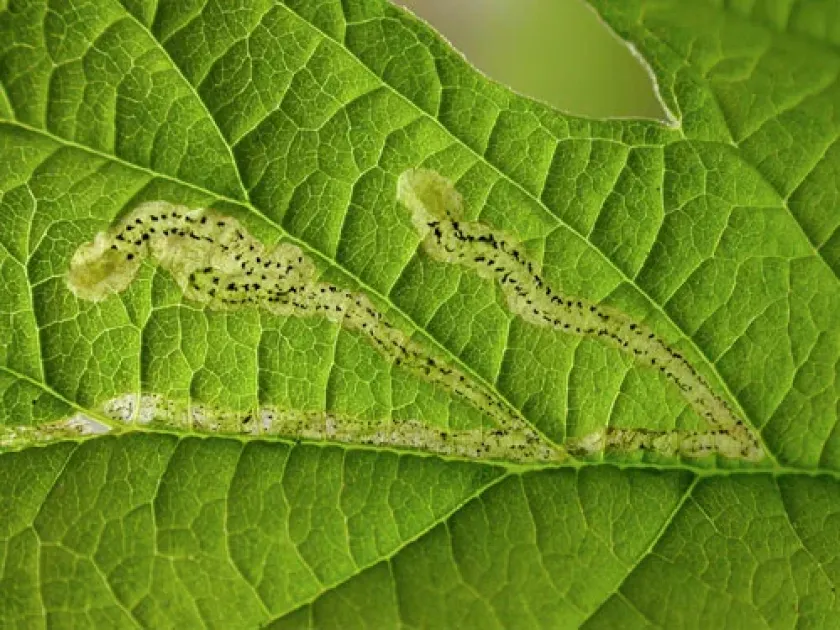
The most distinct sign of an infestation is the presence of visible, winding, whitish trails on the leaves. These patterns represent the path the larva has taken while feeding.
If you inspect the leaves closely against the light, you may be able to see the larvae inside the mine. Empty mines usually indicate that the larva has already exited to pupate.
The general health of the crop often declines, characterized by wilting, yellowing, and leaf curling. Affected plants may look stressed and fail to reach their full potential size.
Small, pin-prick-sized punctures on the leaves are early indicators of adult feeding. These marks often appear before the development of more extensive larval mines.
- Whitish, serpentine tunnels within leaf tissue.
- Necrotic patches leading to premature leaf fall.
- Stunted plant development in heavily infested areas.
- Evidence of small feeding punctures on leaf surfaces.
Control measures
Integrated Pest Management (IPM) is essential. Crop rotation is one of the most effective measures; avoiding legumes in the same field for several years breaks the pest's life cycle.
Removing crop residues immediately after harvest and performing deep soil cultivation helps bury and destroy overwintering pupae, significantly reducing the pest population for the next season.
Monitoring using yellow sticky traps is a useful tool to detect the first flight of adults. This allows farmers to target the application of systemic insecticides at the most vulnerable stage.
Encouraging natural predators and parasitoids, such as small wasps that parasitize leaf miner larvae, can keep pest numbers below economic thresholds in sustainable systems.
Ensuring optimal plant growth through balanced fertilization and irrigation helps the crop withstand and recover from minor infestations without the need for intensive chemical intervention.
Taxonomy
- Latin name
- Agromyza lathyri
- Order
- Diptera (flies)
- Family
- Agromyzidae
- EPPO code
- AGMYLA
Discussion
No discussions yet — be the first.