
Agalliana
Agalliana
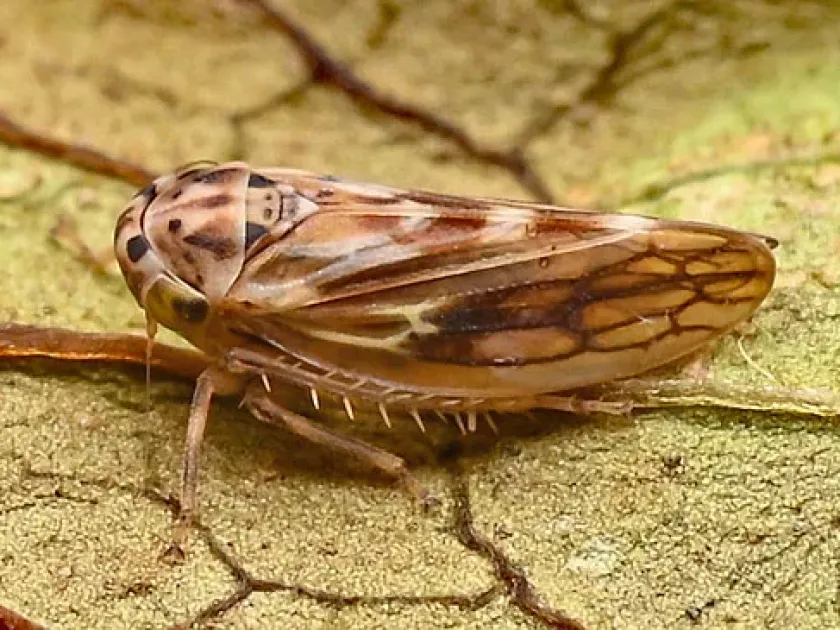
Description
How to identify
Agalliana is a genus of insects within the leafhopper family (Cicadellidae), known for its impact on various agricultural crops. Adult insects are typically small, wedge-shaped, and possess powerful hind legs adapted for jumping when disturbed.
Their coloration is generally cryptic, ranging from brownish-grey to pale yellow, allowing them to blend seamlessly with the foliage of host plants. They have a broad head with prominent compound eyes, which helps them navigate and feed effectively.
The nymphs resemble adults but lack fully developed wings and are smaller in size. They undergo several molting stages, growing progressively until they reach maturity and are capable of reproduction.
The life cycle of Agalliana is highly sensitive to environmental factors, thriving in hot and dry weather conditions. In warm climates, the species can complete multiple generations within a single growing season.
These pests prefer to reside on the underside of leaves, which provides a protected microclimate against predators and environmental stress. This habit makes detection and direct chemical treatment challenging for farmers.
What it damages
Agalliana is a polyphagous pest, meaning it attacks a wide range of crops, including sugar beets, potatoes, tomatoes, and various legumes. Both adults and nymphs damage plants by extracting sap from the phloem.
Beyond direct mechanical injury, the primary threat posed by Agalliana is its role as a vector for various viral and phytoplasma diseases. As they feed, they can inject pathogens into the plant tissues, leading to severe systemic infections.
Plants affected by these pests often show signs of stunted growth, leaf chlorosis, and curling. These symptoms disrupt the plant's photosynthetic ability, ultimately resulting in reduced yields and poor crop quality.
Severe infestations can cause significant die-back in entire fields, especially if weather conditions favor the spread of the pathogens transmitted by the leafhoppers. Early intervention is critical to prevent widespread damage.
Economic losses associated with Agalliana are frequently compounded by the cost of intensive chemical applications required to contain the spread of the viral diseases they transmit to the crops.
Signs of infestation
Initial signs of infestation often include small, yellowish spots on leaves, which gradually coalesce into larger chlorotic areas. Leaf curling and distortion are also common symptoms linked to the pests' feeding activity.
Infected plants may appear noticeably smaller or less vigorous compared to healthy counterparts in the same field. Specific viral symptoms, such as the "curly top" effect in sugar beets, are clear indicators of vector activity.
Visual inspection of the underside of leaves usually reveals the presence of the insects. When the plants are touched or shaken, the leafhoppers quickly move or hop, providing a reliable diagnostic behavior.
Using yellow sticky traps in the field is a standard method for monitoring the population density of Agalliana. These traps help identify the arrival of migratory flights, allowing for timely decision-making.
In advanced cases of infestation, the crop may appear sparse or sickly, with stems showing weakness. Persistent monitoring is essential to distinguish between nutrient deficiencies and damage caused by pest pressure.
Control measures
Effective management begins with cultural practices such as crop rotation and meticulous weed control. Weeds often serve as host reservoirs for both the insects and the viruses they spread to the main crops.
Deep plowing in the autumn is a recommended practice to disrupt the life cycle of overwintering populations. By removing crop residues and weeds, farmers can significantly reduce the local pest pressure for the next season.
Chemical control using systemic insecticides is necessary during periods of high pest density. Treatments should be timed based on the monitoring results to ensure that the insects are targeted during their peak activity.
Rotating insecticide modes of action is vital to prevent the development of pesticide resistance. Growers should also focus on using integrated pest management (IPM) strategies to balance chemical use with ecological safety.
Biological control, involving the conservation and introduction of natural enemies like predatory bugs and parasitic wasps, can provide long-term suppression of Agalliana populations in stable agricultural ecosystems.
Taxonomy
- Latin name
- Agalliana
- Order
- Hemiptera (bugs, aphids, leafhoppers)
- Family
- Cicadellidae
- EPPO code
- AGALSP
Discussion
No discussions yet — be the first.