
Aeolothrips collaris
Aeolothrips collaris
Description
How to identify
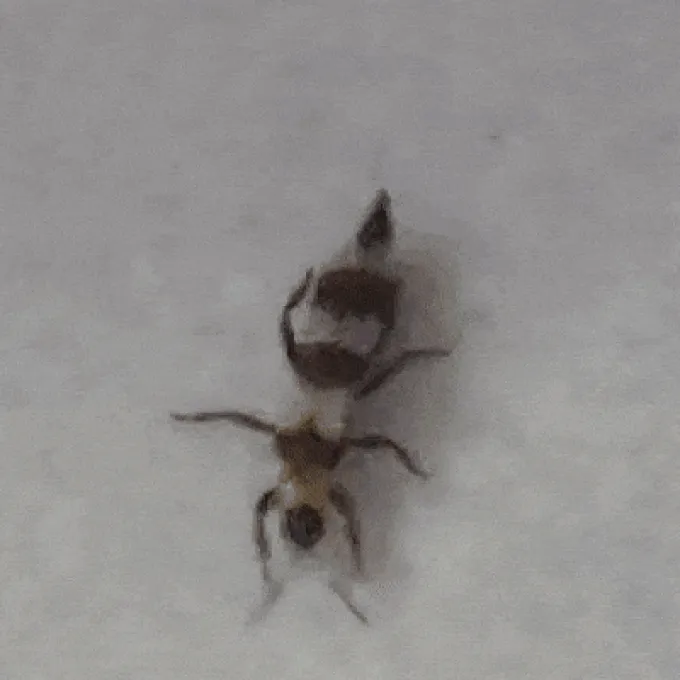
Aeolothrips collaris is a species of thrips belonging to the family Aeolothripidae. These insects are known for their distinct morphology, featuring banded wings.
Adults typically measure between 1.5 and 2 mm in length. Their bodies are elongated, usually dark brown or black, with a noticeably lighter pronotum.
The wings are a primary diagnostic feature, as they possess clear, dark transverse bands that distinguish them from many other thrips species under magnification.
The larvae are highly mobile, light yellow or translucent, and lack the wings that characterize the adult stage of the insect.
Identification often requires careful examination of antennal structure and wing venation patterns using a hand lens or a stereomicroscope.
What it damages
This species is predominantly predacious, feeding on other small arthropods and mites; however, it is also documented to cause phytophagous damage to various crops.
It infests a wide range of horticultural, legume, and ornamental crops, often causing significant stress to the host plant during population surges.
Damage is caused by the insect piercing plant tissues and extracting cell sap from leaves, flower buds, and developing shoots.
This feeding activity often results in stunted growth, chlorosis, and the development of necrotic lesions on the leaf surface.
Heavy infestations, especially during the flowering stage, can lead to severe flower deformity and reduced fruit set, impacting overall crop yield.
When it appears
The pest typically emerges in the spring as temperatures rise, usually beginning in April or May depending on the local climate.
With a relatively short life cycle, the species can complete multiple generations within a single growing season, leading to population peaks in mid-summer.
Adult activity is highly influenced by ambient temperature and relative humidity, with warm and dry conditions promoting rapid expansion.
The insects overwinter in various stages, commonly as adults sheltered in plant debris, soil crevices, or under the bark of trees.
Migration between plants is most intense during periods of peak bloom, as adults seek both prey and plant resources for nourishment.
Signs of infestation
Early symptoms of infestation include the appearance of silver-colored, speckled patches on the leaves caused by the emptying of individual cells.
Flowers may exhibit signs of wilting, discoloration, and premature abscission due to the disruption of vascular functions by the feeding insects.
The presence of tiny, dark fecal spots on the underside of foliage is a common indicator of a thriving thrips colony.
As the infestation progresses, leaves may become curled or distorted, and the overall plant vigor significantly declines.
Scouting for this pest involves inspecting the interior of blossoms and the base of young leaves where these insects prefer to congregate.
Control measures
Managing Aeolothrips collaris requires an integrated pest management (IPM) strategy that prioritizes non-chemical methods alongside targeted interventions.
- Maintain field sanitation by removing weeds that serve as alternative hosts during the early season.
- Implement proper crop rotation to break the life cycle and reduce overwintering populations.
- Utilize blue sticky traps for monitoring populations and identifying the exact time for control measures.
- Apply systemic or contact insecticides only when the population reaches or exceeds the economic threshold.
- Encourage the presence of beneficial insects and use biological control agents where applicable.
Taxonomy
- Latin name
- Aeolothrips collaris
- Order
- Thrips
- Family
- Aeolothripidae
- EPPO code
- AEOOCO
Discussion
No discussions yet — be the first.