
Caragana aphid
Acyrthosiphon caraganae
Description
How to identify
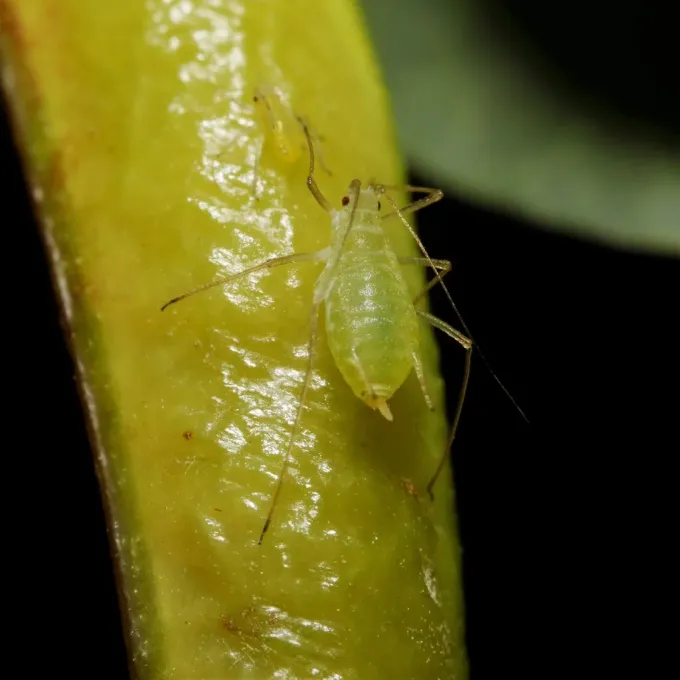
The Caragana aphid (Acyrthosiphon caraganae) is a member of the Hemiptera order and the Aphididae family. It is a small insect, typically measuring 2–3 mm in length, characterized by a light green or yellowish body that provides excellent camouflage against its host plant.
Like many aphid species, it reproduces via parthenogenesis, allowing for rapid population growth during the spring and summer. Both winged and wingless morphs exist, with winged individuals enabling the spread of the colony to nearby shrubs.
A key diagnostic feature of this species is the presence of long siphunculi on the posterior of the abdomen. The antennae are notably long, often extending beyond the length of the body, which helps in identifying these insects under a magnifying glass.
The species survives the winter primarily as eggs deposited in the bark crevices or near the buds of its primary host, Caragana arborescens. As temperatures rise, these eggs hatch into stem mothers that initiate the seasonal colonization.
Under optimal conditions, generations develop rapidly, with a new cycle occurring every 7 to 10 days. This explosive reproductive rate requires gardeners to monitor plants closely to prevent severe outbreaks.
What it damages
The primary host for this pest is the Siberian peashrub, or yellow acacia. The aphids congregate on tender young shoots and the undersides of leaves, piercing the plant tissues and extracting vital sap.
While highly specialized, this aphid can also impact other leguminous plants in the vicinity if the primary host is overpopulated. This behavior makes it a significant concern for managed landscapes and decorative hedges.
By constantly draining plant sap, the aphids deprive the host of necessary nutrients and sugars. This leads to reduced growth rates, stunted development, and a general decline in the plant's overall health and vigor.
Severe infestations cause leaves to curl, yellow, and drop prematurely. This foliage loss weakens the shrub, making it more susceptible to environmental stressors like heat, drought, and winter damage.
Repeated yearly attacks can eventually lead to the dieback of branch tips and the thinning of the plant's crown, significantly reducing the aesthetic value of the ornamental shrubbery.
Signs of infestation
The most immediate sign of an infestation is the presence of honeydew, a sticky substance excreted by the aphids. This substance covers the leaves and often attracts ants, which farm the aphids for their sugary secretions.
Leaf curling and yellowing are characteristic symptoms of aphid feeding. If you notice the tips of young shoots twisting or distorting, it is highly likely that a colony of aphids is present on the underside of the foliage.
The development of sooty mold, a black fungal growth, is a common indicator of a persistent aphid population. This mold grows directly on the honeydew, blocking sunlight and hindering the plant's photosynthetic ability.
Increased ant activity on the stems and branches is a reliable, although indirect, sign of aphids. Ants are known to actively protect aphid colonies from natural predators like ladybugs.
Reduced terminal growth in the spring is a clear indicator that the aphids have been feeding on the most nutrient-dense parts of the plant, disrupting its seasonal development cycle.
Control measures
Effective management begins with regular scouting of the plants. During the early stages of infestation, manually washing the leaves with a strong jet of water can significantly reduce aphid numbers.
Encouraging beneficial insects is a sustainable strategy. Predators such as ladybird beetles, lacewing larvae, and hoverflies are natural enemies that can keep aphid populations in check if pesticides are used sparingly.
For severe outbreaks, systemic insecticides are the most effective solution. Products containing imidacloprid or other neonicotinoids are absorbed by the plant, providing long-term protection against the sap-sucking insects.
Application should be performed in the early morning or late evening to minimize contact with bees and other non-target pollinators. Always ensure thorough coverage of the underside of leaves to reach the colonies.
Implementing cultural practices, such as pruning away heavily infested tips and using sticky barriers on trunks to prevent ants from guarding the aphids, are essential steps for long-term control.
Taxonomy
- Latin name
- Acyrthosiphon caraganae
- Order
- Hemiptera (bugs, aphids, leafhoppers)
- Family
- Aphididae
- EPPO code
- ACYRCA
Discussion
No discussions yet — be the first.