
Acrogonia
Acrogonia
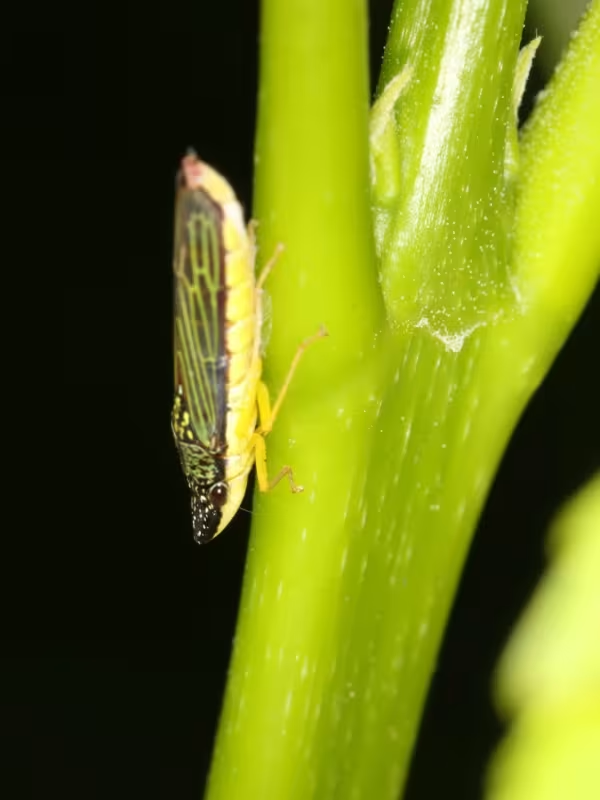
Description
How to identify
Acrogonia is a genus of insects belonging to the family Cicadellidae (leafhoppers) within the order Hemiptera. These insects are characterized by their specialized morphology, adapted for living on various plant surfaces, often remaining inconspicuous until population levels surge.
Adults are typically small, agile insects with well-developed wings and a piercing-sucking mouthpart. This apparatus is essential for their feeding behavior, allowing them to penetrate the plant's vascular system to extract nutrient-rich fluids.
The lifecycle includes egg, nymphal stages, and adult phases. Nymphs, which closely resemble adults but lack functional wings, are usually found on the underside of leaves, making them difficult to spot during routine field inspections.
Acrogonia species are primarily active during daylight hours, preferring warm, sheltered parts of the plant canopy. They respond quickly to disturbances by jumping or flying to avoid potential threats, which complicates manual removal efforts.
Identification at the species level requires professional entomological expertise, as subtle variations in coloration and physical structure are often used to distinguish between closely related taxa within this genus.
What it damages
Acrogonia pests affect a wide range of host plants, including valuable agricultural crops and ornamental species. The damage is particularly severe in warmer climates where conditions favor rapid reproduction and multiple generations per year.
The primary impact stems from direct sap-feeding, which drains the plant of vital resources. This leads to weakened plant health, stunted development, and reduced overall yields, affecting both quality and quantity of the harvest.
Furthermore, Acrogonia acts as a vector for various plant pathogens. The feeding process introduces bacteria or viruses into the plant's vascular tissue, often leading to systemic infections that are significantly more harmful than the physical damage alone.
Symptoms of infestation include chlorosis, leaf curling, and the drying of shoot tips. Prolonged feeding sessions can result in significant tissue damage, creating favorable conditions for secondary infections by opportunistic fungi.
The economic consequence is substantial, especially in sectors where aesthetic quality is paramount. Growers often face increased operational costs due to the necessity of frequent monitoring and the application of protective treatments.
Control measures
Successful management of Acrogonia relies on Integrated Pest Management (IPM) practices. This approach emphasizes early detection and the use of targeted control methods to mitigate damage while preserving beneficial insect populations.
Systemic insecticides are among the most effective tools for controlling populations. These chemicals are translocated within the plant tissue, providing sustained protection against piercing-sucking pests for an extended period.
Biological control methods involve the use of natural enemies, such as parasitic wasps or predators that feed on leafhopper nymphs and eggs. Incorporating these into agricultural systems can naturally stabilize pest numbers.
Cultural practices, such as maintaining good field hygiene and removing reservoir weeds, are crucial for prevention. Managing irrigation and fertilization levels can also help keep plants less attractive to these insects.
- Deploy yellow sticky traps for monitoring population density and timing treatments.
- Implement proper field sanitation to eliminate alternative host plants.
- Utilize selective, low-impact insecticides to protect natural predators.
- Conduct regular, systematic crop inspections to identify early infestation spots.
Taxonomy
- Latin name
- Acrogonia
- Order
- Hemiptera (bugs, aphids, leafhoppers)
- Family
- Cicadellidae
- EPPO code
- ACRGSP
Discussion
No discussions yet — be the first.