
Oak leafminer
Acrocercops laciniella
Description
How to identify
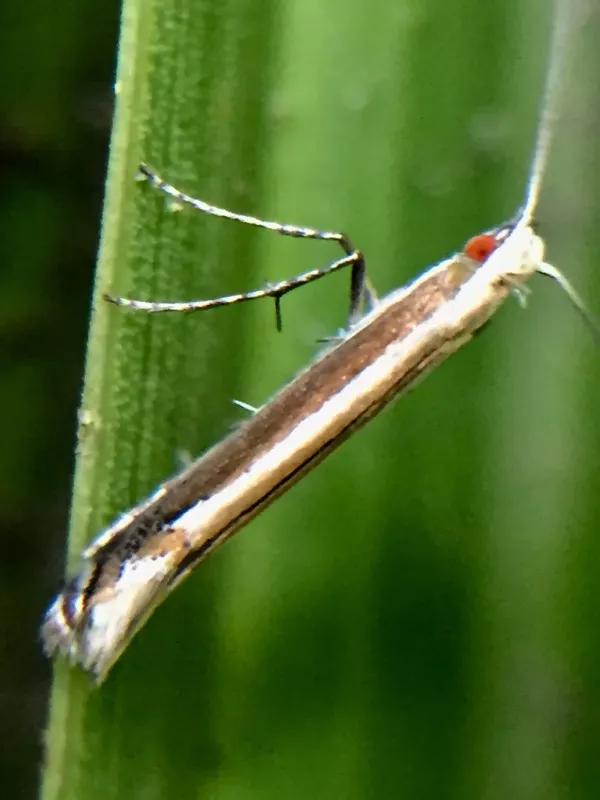
The leafminer moth belongs to the Gracillariidae family within the order Lepidoptera. These are small moths characterized by narrow, fringed wings with intricate patterns that provide excellent camouflage against tree bark and leaves.
The biology of this pest is centered on its larval stage, which develops entirely within the leaf tissue. After eggs are deposited on the leaf surface, the emerging larva bores directly into the parenchyma to begin feeding.
The life cycle encompasses four stages: egg, larva, pupa, and adult. Depending on local climatic conditions, the moth can complete multiple generations per season, necessitating ongoing vigilance during the growing period.
Larvae pass through several growth stages, expanding their internal leaf mines as they mature. The species typically overwinters as a pupa, protected within leaf litter or the crevices of tree bark until spring temperatures trigger development.
Precise identification requires experts to analyze the shape of the mine and the distribution of frass (larval excrement), as many related leafminer species share similar adult appearances.
What it damages
The primary hosts for this species are trees in the Fagaceae family, especially oaks. The moth selects vigorous trees, providing larvae with the high-quality nutrients required for successful development.
Damage is caused exclusively by the larvae, which consume the internal tissues of the leaf while leaving the epidermal layers intact. This creates a sheltered environment that protects the larva from many external predators and environmental factors.
The primary impact is the disruption of photosynthesis due to chlorophyll loss in the mined areas. This stresses the tree, reducing its growth rate and making it more susceptible to secondary infections or environmental stressors.
In cases of heavy infestation, the tree canopy may appear browned or discolored by mid-summer. Severe damage often causes premature leaf drop, which significantly depletes the tree's energy reserves before winter.
Chronic infestation over several consecutive years can weaken the tree's immune system, potentially leading to branch dieback or making the tree vulnerable to secondary wood-boring insects and fungal diseases.
Signs of infestation
The most visible sign of an infestation is the appearance of light-colored, irregular blotches or serpentine mines on the leaves. These patterns often become more pronounced as the larva matures and the mine expands.
The presence of dark, granular frass inside the mine is a key diagnostic feature. The specific arrangement of these droppings helps distinguish this moth from other leaf-mining species found on similar host trees.
Affected leaves often curl or become deformed because the death of internal tissues inhibits the leaf's normal structural expansion. Over time, these areas may turn necrotic, leaving holes in the foliage.
Close inspection of the leaf underside may reveal cocoons or pupae preparing for the next stage. In tall or dense trees, identifying these early signs requires careful observation of the canopy.
The flight period of adult moths often coincides with the onset of spring bud break. This timing is critical for field scouting to determine whether population levels warrant intervention.
Control measures
Sanitation is a cornerstone of leafminer management. Collecting and destroying fallen leaves in the autumn removes a significant portion of the overwintering population, thereby reducing the following season's infestation.
Biological control using entomopathogenic agents is highly effective against early larval stages before they penetrate deep into the leaf tissue. This method is environmentally friendly and helps maintain the local ecosystem.
Chemical control should be timed with the larval hatch. Using systemic insecticides allows the active ingredient to reach the larvae through the sap, protecting the tree before significant tissue damage occurs.
Good silvicultural practices, including adequate fertilization and watering, enhance the tree's ability to withstand damage. Regular pruning can also improve canopy airflow and light penetration, making the environment less favorable for the moth.
- Use pheromone traps to monitor adult flight activity and optimize the timing of applications.
- Encourage the presence of natural enemies, such as parasitic wasps that predate on moth larvae.
- Monitor younger trees frequently, as they are often more susceptible to significant vigor loss.
Taxonomy
- Latin name
- Acrocercops laciniella
- Order
- Lepidoptera (butterflies)
- Family
- Gracillariidae
- EPPO code
- AROCLA
Discussion
No discussions yet — be the first.