
Acinopterus angulatus
Acinopterus angulatus
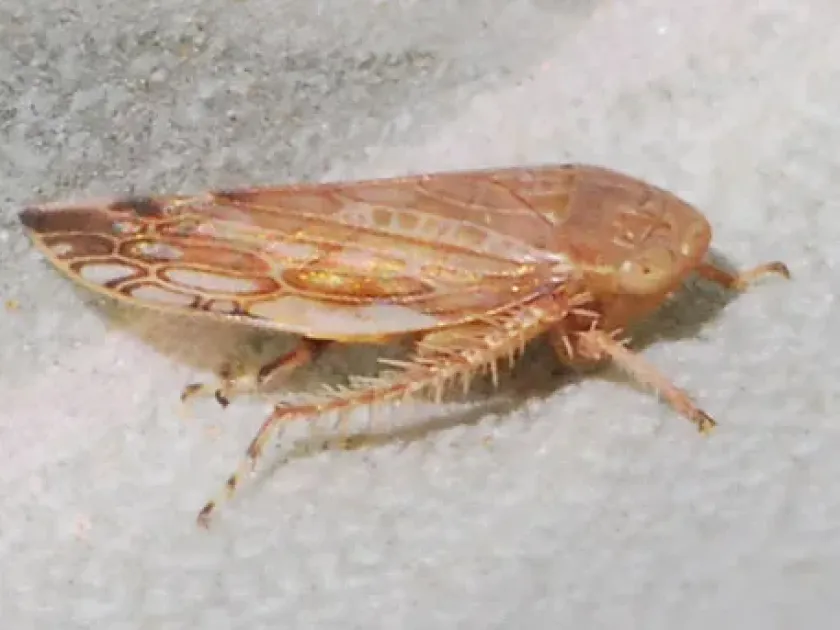
Description
How to identify
Acinopterus angulatus is a member of the Cicadellidae family, commonly known as a leafhopper. It is easily recognized by its distinct angular head and thorax structure, which gives it a sharp, wedge-like appearance.
Adult insects typically measure between 5 and 7 millimeters in length. Their coloration ranges from pale yellow to brownish-grey, providing excellent camouflage against various plant stems and foliage.
The nymphs (immature stages) resemble miniature versions of the adults but lack fully developed wings. They are highly mobile and are usually found residing on the undersides of leaves.
A key diagnostic feature is the wing structure, where the forewings extend significantly beyond the tip of the abdomen, contributing to the insect's streamlined and angular silhouette.
This species is highly adapted to warm climates and thrives in agricultural landscapes where it maintains an active lifestyle throughout the warmer months of the year.
What it damages
This pest affects a wide array of host plants, showing a particular preference for legumes such as alfalfa and clover, though it can also infest various field crops and wild grasses.
The insects feed by piercing the plant tissues and extracting sap from the phloem. This process removes vital nutrients and disrupts the plant's metabolic processes, causing significant growth inhibition.
Beyond physical damage, Acinopterus angulatus is a known vector for several plant pathogens, including phytoplasmas and viruses, which can cause diseases that are far more devastating than the feeding itself.
Crop yields suffer both in quantity and quality, especially when large populations cause severe leaf yellowing, wilting, and premature senescence of the host plants.
Young seedlings are particularly vulnerable to infestation. Persistent feeding can lead to stunting, stunted internodes, and in severe cases, the complete collapse of the plant population in affected fields.
When it appears
The life cycle of the leafhopper is strictly governed by ambient temperatures. Adults typically overwinter in plant debris, dormant weeds, or sheltered locations near the soil surface.
Activity begins as soon as spring temperatures rise sufficiently to allow the insects to emerge from diapause. Throughout the growing season, the species can produce multiple generations.
Population peaks are typically observed during mid-summer, when heat and optimal humidity conditions facilitate rapid reproduction and the movement of adults across agricultural landscapes.
As autumn arrives and daylight decreases, the insects prepare for winter. They migrate away from exposed fields towards more stable microclimates found in field margins and hedgerows.
The duration of each developmental stage depends on environmental factors, meaning that stable, warm summers often lead to exponential population growth and increased pest pressure.
Signs of infestation
Early symptoms of infestation often appear as light-colored stippling on the leaves, caused by the insects piercing the plant cells with their stylets during feeding.
Leaves may exhibit signs of chlorosis, curling, or overall deformation. Upon closer inspection of the leaf underside, you can identify small colonies of mobile nymphs or the presence of shed skins.
The excretion of honeydew can lead to the growth of sooty mold, which further interferes with the plant's ability to perform photosynthesis efficiently.
Plants infected with viruses transmitted by these leafhoppers often display stunted growth, excessive lateral branching, or bizarre structural changes in flowers and leaves.
A simple field observation technique involves disturbing the canopy; a sudden, mass emergence of small, jumping insects is a primary indicator of a significant infestation.
Control measures
Managing Acinopterus angulatus requires a combination of preventative agricultural practices and, when necessary, targeted chemical interventions to protect the crop.
- Implement crop rotation to disrupt the insect's life cycle.
- Eliminate alternative host weeds around field borders to reduce overwintering sites.
- Use yellow sticky traps for regular population monitoring.
- Conserve natural predators to keep pest numbers below economic thresholds.
- Apply systemic insecticides during the early nymph stages to prevent population buildup.
Proper field sanitation is essential for reducing the carry-over of the pest from one season to the next. Deep plowing of crop residues helps destroy overwintering adults and eggs.
When applying insecticides, it is crucial to follow regional guidelines and prioritize options that minimize harm to non-target pollinators while providing effective control of the sucking insects.
Taxonomy
- Latin name
- Acinopterus angulatus
- Order
- Hemiptera (bugs, aphids, leafhoppers)
- Family
- Cicadellidae
- EPPO code
- ACIPAN
Discussion
No discussions yet — be the first.