
Acinopterus
Acinopterus
Description
How to identify
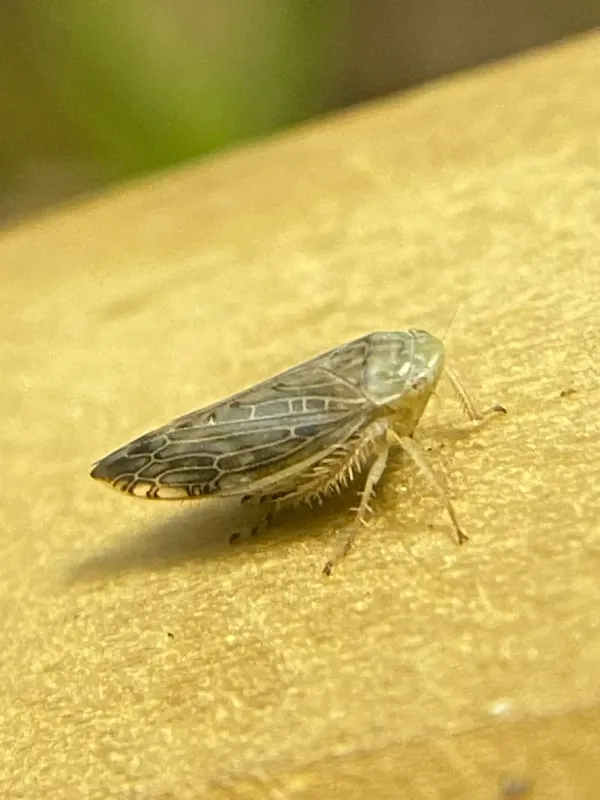
Acinopterus is a genus of leafhoppers belonging to the order Hemiptera and the family Cicadellidae. These are small, jumping insects known for their distinct wedge-shaped bodies and rapid mobility.
Adult insects typically possess protective coloration, such as green, brown, or yellowish tones, which allow them to blend into their host plants seamlessly. Their wings are held in a roof-like position over their bodies, a typical morphological trait for this family.
The life cycle of this pest involves incomplete metamorphosis. Nymphs closely resemble smaller, wingless versions of adults and occupy the same ecological niche, feeding on plant sap from the underside of leaves.
For accurate field identification, agronomists utilize yellow sticky traps. These tools are crucial for monitoring population trends and identifying the presence of the insect in specific crop zones.
Identification at the species level often requires microscopic examination of male genitalia, as many species within the genus are morphologically similar and difficult to distinguish with the naked eye.
What it damages
Acinopterus species feed on a wide variety of plants, including vegetables, legumes, and various field crops. Tomatoes, peppers, potatoes, and beans are particularly susceptible to infestation.
The primary damage is caused by the extraction of phloem sap. This feeding process drains the plant of essential nutrients, leads to tissue dehydration, and suppresses the plant's overall growth and physiological health.
Beyond direct damage, these insects are significant vectors for various phytoplasmas and plant viruses. By piercing plant tissues, they introduce pathogens that cause systemic diseases throughout the host plant.
Infestations often lead to rapid spread of pathogens, resulting in stunted growth, leaf curling, and overall crop failure, which can be devastating for high-value agricultural production.
Wild host plants and common weeds serve as reservoir hosts for both the insect and the pathogens it carries, making the pest extremely persistent in agricultural landscapes.
When it appears
The seasonal activity of Acinopterus is highly dependent on ambient temperature and moisture levels. Adults typically become active in the spring as temperatures rise, signaling the start of the breeding season.
Population peaks usually occur during the summer months when crop development is at its most vulnerable stage. Warm weather shortens the developmental cycle, leading to multiple generations within a single growing season.
Insects frequently migrate from surrounding wild vegetation into cultivated fields. The edges of fields are typically the first to show symptoms of infestation, reflecting the initial colonization by the pests.
As autumn approaches and temperatures drop, these insects move to sheltered areas for overwintering. These sites become the source of re-infestation for the following growing season.
A meteorological approach is used for predicting outbreaks. By calculating the accumulation of growing degree days, agronomists can estimate the timing of peak emergence and schedule preventative interventions accordingly.
Signs of infestation
The most immediate sign of infestation is the presence of adult leafhoppers on the underside of leaves or on succulent new shoots. When disturbed, they exhibit characteristic sudden jumping behavior.
Feeding damage initially manifests as small chlorotic spots or stippling on the leaves. Over time, these spots can enlarge, leading to generalized yellowing and premature leaf senescence.
Symptoms of the viruses or phytoplasmas transmitted by Acinopterus include extreme leaf curling, stunted development, and distorted fruit formation, indicating that the pathogen has reached systemic levels.
Leaf mottling is another common sign, indicating that the plant's vascular system has been compromised by the introduced pathogens, further reducing the photosynthetic capacity of the plant.
If left unmanaged, the cumulative stress from sap-feeding and viral infection leads to poor fruit set and significant yield losses, rendering the harvest commercially non-viable.
Control measures
An integrated approach is required to control Acinopterus effectively. Cultural practices, such as the removal of weeds that serve as alternative hosts, are the first line of defense in reducing local pest populations.
Using resistant or tolerant crop varieties can significantly mitigate the risk of infection. Furthermore, timing the planting phase to avoid peak insect activity can help ensure the plants are robust before the pests emerge.
Chemical control involving systemic insecticides is often necessary during peak infestation periods. These treatments must be applied based on economic thresholds to avoid over-reliance on chemicals and to delay the development of resistance.
Biological control methods, which involve protecting natural predators like spiders and hemipteran bugs, help maintain a natural balance and suppress insect numbers without excessive chemical intervention.
Routine monitoring using traps provides data to make informed management decisions, ensuring that control measures are implemented precisely when they are most effective and necessary for crop safety.
Taxonomy
- Latin name
- Acinopterus
- Order
- Hemiptera (bugs, aphids, leafhoppers)
- Family
- Cicadellidae
- EPPO code
- ACIPSP
Discussion
No discussions yet — be the first.