
Wheat seed gall nematode
Anguina tritici
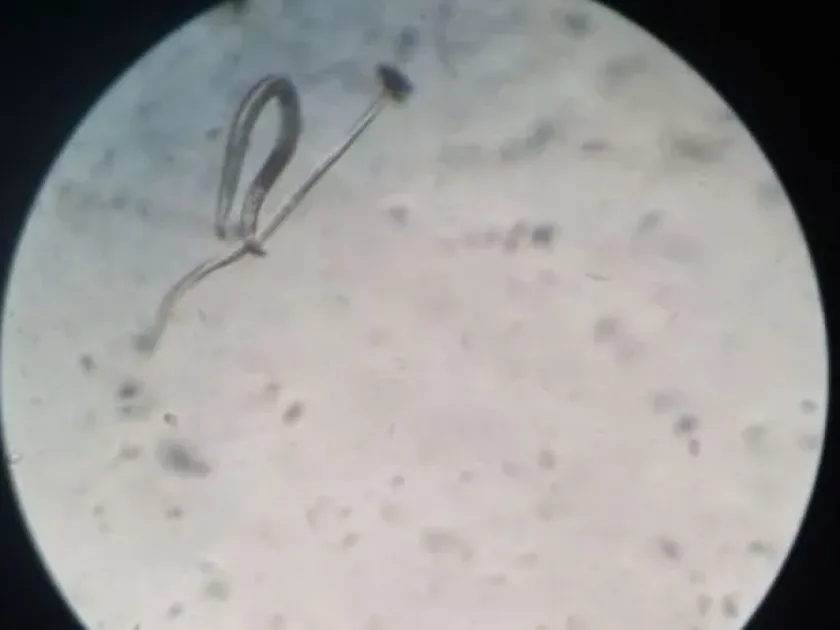
Description
How to identify
The wheat seed gall nematode (Anguina tritici) is a microscopic worm belonging to the phylum Nematoda and the family Anguinidae. It is a highly specialized plant parasite that targets various wheat species.
The nematode undergoes a fascinating yet destructive lifecycle. Its most critical stage is the fourth-stage larva, which survives in a dormant state for several years inside hard, dark structures known as galls.
These galls replace the normal kernels within the wheat head. When moisture levels in the soil rise, the larvae emerge from the galls and move toward the growing points of the wheat seedlings to initiate an infection.
Taxonomically, Anguina tritici is identified by its specific morphology and its role as a plant-pathogenic agent that causes significant changes in the host plant tissues.
Accurate identification involves microscopic examination of suspected galls and analyzing the symptoms within the field to distinguish this nematode from other cereal pests.
What it damages
This nematode primarily affects wheat, but it can also parasitize rye and barley. The damage manifests as both structural deformities in the plant and the replacement of seeds with galls.
Infected plants exhibit stunted growth, leaf curling, and overall physiological stress. This leads to a substantial decrease in crop biomass and grain quality, often rendering the yield unusable.
The stems of affected plants may thicken or twist, and the heads may become distorted or fail to develop properly. If a large portion of the crop is infected, the entire field's market value drops significantly.
Because the galls are nearly the same size as healthy grains, they are difficult to separate during standard milling processes, causing potential issues for food safety and animal feed.
Economically, the presence of this pest poses a threat to both domestic seed production and the international export potential of cereal grains.
When it appears
The lifecycle begins in early spring, synchronized with the germination of wheat. As soil moisture increases, the larvae break their dormancy and infect the seedlings.
Throughout the vegetative stage, the nematodes move upward through the plant's tissues, eventually reaching the developing floral structures by the time the wheat enters the booting and heading stages.
During the grain-filling phase, the nematodes transform the plant ovaries into galls, completing their development. By harvest time, these galls are fully formed and ready to spread through the soil or harvesting equipment.
The persistence of the pathogen is largely dependent on the longevity of the galls, which can survive in dry conditions for several years until favorable environmental triggers occur.
Wind, water runoff, and human activity through contaminated machinery play a critical role in the dispersal of galls across new agricultural lands.
Signs of infestation
Field diagnosis relies on observing specific visual symptoms that indicate the presence of Anguina tritici in wheat fields.
- Stunted or dwarfed plant appearance in patches.
- Noticeable curling, wrinkling, or twisting of leaves.
- Replacement of healthy kernels with dark, hard galls in the head.
- Irregular crop maturation and poor head development.
- Increased lodging of the wheat crop due to tissue structural changes.
Control measures
The primary control measure is the use of nematode-free, certified seeds. Cleaning seeds using advanced gravity separation equipment is highly effective at removing galls.
Implementing a rigorous crop rotation cycle, where susceptible cereals are omitted from the field for 2 to 3 years, effectively starves the nematode population.
Field sanitation, including deep plowing and the removal of volunteer wheat or wild grasses, helps eliminate secondary reservoirs of the parasite.
Development and use of resistant wheat varieties are highly encouraged as a sustainable method to manage the nematode without excessive chemical intervention.
In cases of confirmed heavy infestation, burning crop residues or moving harvest equipment to clean areas is necessary to prevent the further spread of the pathogen.
Causes diseases · 1
Discussion
No discussions yet — be the first.