
Description
Symptoms
Symptoms of the wheat gall nematode are visible throughout the development of the plant. During the early stages, infected plants often exhibit stunted growth, with thickened, twisted, and dark green leaves.
The stems of affected plants are typically shorter and may appear deformed or wavy. Even though they may show increased tillering, they rarely produce grain, and the plants often display a dwarf-like appearance.
The most distinctive symptom appears at the heading stage. The ears of the infected plants are shorter and often look "ragged" because the glumes are forced apart by the presence of the galls.
Instead of healthy grain, the head contains hard, dark, seed-like galls. These galls are generally shorter and thicker than normal seeds and can be easily identified upon visual inspection of the wheat ear.
Secondary signs include lodging and poor overall vigor. Because the vascular system of the plant is disrupted by the nematode, the infected parts become brittle and susceptible to environmental stress.
Pathogen
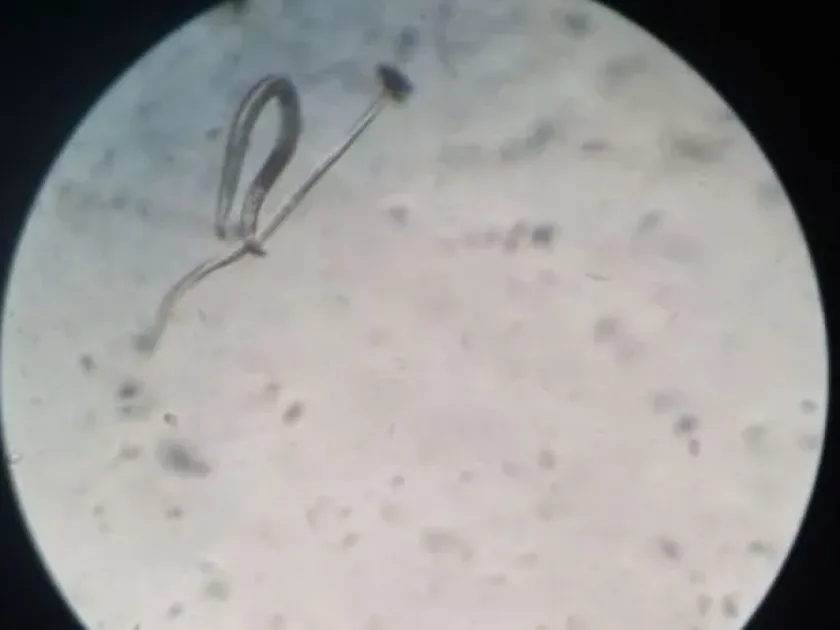
The wheat gall nematode, Anguina tritici, is a highly specialized plant parasitic nematode that primarily attacks wheat and rye. It is responsible for the disease known as "ear cockle" or wheat seed gall.
The lifecycle is unique and closely tied to the host plant. The nematode survives in the soil and on seeds in the form of dormant larvae encased within hardened, dark-colored galls that replace the normal wheat kernels.
When infected seeds are planted, the galls absorb moisture in the soil, soften, and release thousands of infectious second-stage larvae. These larvae are highly motile in the presence of soil moisture.
The larvae move towards the developing wheat seedlings, penetrate the tissue, and begin to feed. They remain within the plant tissues throughout the entire growing season, migrating upward as the plant develops.
By the time the head forms, the nematodes have settled in the ovaries of the florets. There, they finalize their development, mate, and deposit thousands of eggs, effectively turning the seeds into galls for the next generation.
Conditions for development
The development and spread of Anguina tritici are highly dependent on moisture. Wet weather in the early spring is critical for the larvae to emerge from the galls and successfully reach the host seedlings.
The movement of the larvae from the soil to the growing point of the wheat is entirely dependent on water films. Consequently, dry springs can significantly reduce the infection pressure.
The primary mechanism for long-distance dissemination is the use of contaminated seed lots. If harvested grain contains galls, it acts as a permanent source of infection for the next season.
Continuous cropping of wheat or rye in the same field encourages the build-up of the nematode population in the soil, especially in regions where the soil remains moist during the sowing period.
Optimal temperatures for the development of Anguina tritici are typically those experienced during the cool, temperate growing season of winter wheat, allowing the larvae to synchronize their activity with the host's development.
Why it matters
This nematode is a major concern for cereal production, as it can cause yield losses of up to 50% in heavily infested fields. The presence of galls directly replaces the marketable grain, leading to severe volume and weight losses.
Beyond the direct loss of yield, the quality of the harvested grain is compromised. In many countries, the presence of these galls is a quarantine issue, rendering the entire shipment unsuitable for milling and human consumption.
Infected plants are physiologically stressed and show lower resistance to opportunistic diseases, such as various fungi or bacteria that thrive in the damaged tissues of the plant.
Financial losses also accrue from the costs of seed cleaning, potential crop failure, and the need for rigorous seed testing to ensure the absence of galls before planting.
Export markets and international trade may be restricted if a region is found to have an outbreak of Anguina tritici, as it is considered a significant seed-borne pathogen.
Protection
The most effective management strategy is the use of nematode-free, certified seeds. Seed cleaning using modern air-column or density-based separators can effectively remove the lighter galls from healthy grain.
Crop rotation is a fundamental practice for controlling Anguina tritici. Avoiding wheat and rye on the same field for at least two to three years typically leads to the death of the nematode population in the soil.
Deep plowing or burying plant residues helps reduce the immediate inoculum source in the soil, making it difficult for the larvae to reach the surface and infect new crops.
Good weed control is essential, as various grasses can sometimes act as alternate hosts or support the survival of the nematode during fallow periods.
If an infestation is detected, early harvesting and the destruction of infected stubble are recommended to minimize the amount of inoculum that remains in the field for the following season.
Pathogens and affected parts
Affects crops · 1
Discussion
No discussions yet — be the first.