
Tylenchorhynchus maximus
Tylenchorhynchus maximus
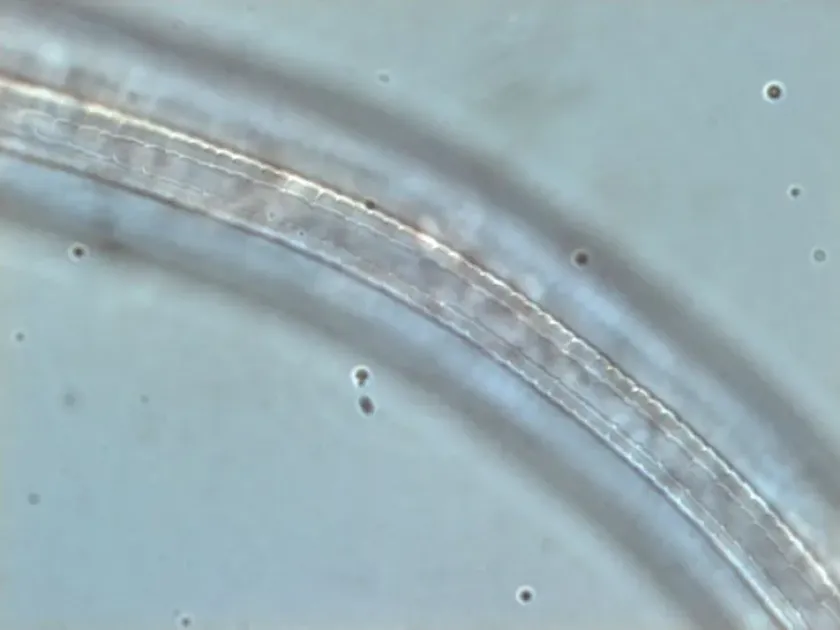
Description
How to identify
Tylenchorhynchus maximus is a plant-parasitic nematode belonging to the family Belonolaimidae, known commonly as a stunt nematode.
These nematodes are microscopic, vermiform, and ectoparasitic in nature, meaning they feed on the outer cells of plant roots without entering the root tissue entirely.
The organism possesses a stylet, a hollow, needle-like structure used to puncture plant cell walls and withdraw nutrients, which is a key diagnostic feature under a microscope.
The life cycle progresses through four larval stages (molts) before reaching adulthood, with all development occurring within the soil profile.
Due to their size, field diagnosis is impossible without laboratory analysis involving soil extraction and microscopic identification of the nematode morphology.
What it damages
This species primarily attacks the roots of various grasses, including essential cereal crops like wheat, barley, and corn, impacting global agricultural productivity.
Feeding activities cause root stunting and inhibit the development of lateral roots, which severely compromises the plant's ability to absorb water and nutrients.
The damaged root systems are prone to secondary infections by soil-borne fungi and bacteria, leading to complex root rot diseases that further weaken the plants.
Visible symptoms often include reduced plant height, wilting during hot weather, and uneven crop stands due to the patchy distribution of the nematode in the field.
Yield loss is the primary economic concern, as even moderate infestations can lead to significant reductions in grain weight and overall plant vigor.
When it appears
The nematode population reaches its peak activity during the growing season when soil temperatures and moisture are optimal for root growth and nutrient uptake.
They survive the winter months as larvae or adults in the soil, often migrating deeper into the soil profile to avoid freezing temperatures or desiccation.
Active colonization of new roots occurs in the spring as plants begin to germinate and develop their root systems, which release chemical signals attractive to the nematodes.
Multiple generations can occur throughout the growing season, especially in regions with longer summers and consistent soil moisture, allowing for rapid population growth.
Dry soil conditions can limit movement, but the nematodes remain dormant until environmental conditions become favorable for their biological processes again.
Signs of infestation
Field manifestations of infestation typically show up as irregular patches of stunted plants that may appear chlorotic or nitrogen-deficient.
Upon closer inspection, the root systems of infected plants appear sparse, stubby, and often exhibit brown necrotic lesions due to the constant wounding.
Plants under pressure from stunt nematodes often fail to respond positively to fertilizer applications, as their root system is unable to utilize the added nutrients efficiently.
Wilting symptoms in infested fields often become distinct compared to healthy sections of the field when the crop is under thermal stress.
The lack of a robust root system makes these plants more susceptible to lodging and other abiotic stressors such as drought or temporary waterlogging.
Control measures
Cultural management through crop rotation is the most effective way to prevent the buildup of stunt nematode populations, avoiding the continuous cultivation of susceptible hosts.
Maintaining soil fertility and using organic amendments can stimulate beneficial soil microorganisms that act as natural antagonists to plant-parasitic nematodes.
Effective weed control is crucial, as many wild grasses can serve as alternative hosts, maintaining the nematode population even in the absence of the primary crop.
Where economically justified, the use of chemical soil fumigants or nematicides can provide short-term suppression of nematode numbers during high-pressure cycles.
Breeding for nematode tolerance in cereal cultivars remains an important area of research to help farmers mitigate the impact of this persistent soil-borne pathogen.
Causes diseases · 1
Discussion
No discussions yet — be the first.