
Root-knot nematodes
Root-knot nematodes
Description
How to identify
Root-knot nematodes (genus Meloidogyne) are microscopic, soil-borne roundworms that act as obligate parasites. They are among the most destructive plant pathogens worldwide, causing significant losses in agricultural production.
The life cycle begins with the second-stage juvenile (J2), which is the only infective stage. These juveniles migrate through the soil film water to find and penetrate the roots of susceptible host plants.
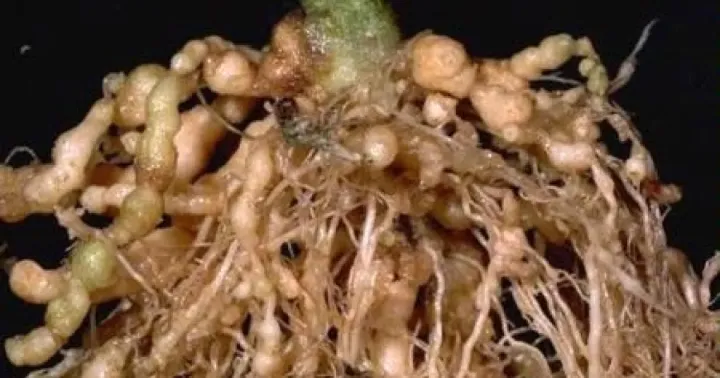
Once inside, they establish a feeding site and inject substances that trigger cell enlargement and division, creating characteristic root galls. The female nematode matures within this gall, swelling into a pear-like shape.
These sedentary females lay hundreds of eggs in a gelatinous matrix on the root surface or inside the gall. Depending on the soil temperature and host suitability, the life cycle can be completed in as little as 25 to 30 days.
These pests thrive in warm, sandy soils where aeration is sufficient for their movement. They can survive long periods in the absence of a host by remaining in the egg stage within their protective casing.
What it damages
They infect a vast range of crops, including tomatoes, cucumbers, peppers, melons, and carrots. Greenhouse environments are particularly vulnerable due to optimal year-round growing conditions.
The primary damage occurs because the nematodes divert nutrients from the host plant to support their own development. This deprives the plant of essential minerals and water, leading to severe nutritional imbalances.
Root galls physically obstruct the movement of water and nutrients through the xylem and phloem, causing the root system to lose its efficiency. As a result, the plant cannot support normal physiological growth.
Damaged roots serve as entry points for secondary pathogens, such as Fusarium, Verticillium, and various bacteria, which accelerate root rot and plant decay.
In cases of heavy infestation, the entire crop may be stunted or die prematurely. The yield reduction is often compounded by the poor quality and marketability of the remaining produce.
Signs of infestation
Plants often exhibit symptoms of water stress and nutrient deficiency. In sunny conditions, they may wilt during the hottest part of the day even if the soil moisture level is adequate.
Foliar symptoms include chlorosis, leaf yellowing, and stunted growth. Infected plants appear significantly smaller and less vigorous compared to healthy neighbors in the same field or bed.
When an infected plant is carefully excavated, the roots will reveal numerous knots or galls. These can vary in size from small, pin-head structures to large, woody tumor-like masses.
The root system often appears highly branched and distorted, with a lack of healthy, white feeder roots. In severe infections, the roots may become necrotic and mushy due to tissue death.
Patches of dead or declining plants in a field or greenhouse often indicate the location of initial infestation, as nematodes spread slowly through the soil profile.
Control measures
Crop rotation is a fundamental management strategy. Planting non-host crops or resistant cultivars for one or more seasons can starve the nematode population and reduce soil pressure.
In greenhouses, soil steam sterilization is the gold standard. Heating the soil to specific temperatures effectively kills all nematode life stages, including eggs, providing a clean start for the next crop.
Biological control agents, such as beneficial fungi (e.g., Pochonia chlamydosporia), are increasingly used. These fungi parasitize the eggs and help reduce the overall population of the nematodes.
Chemical nematicides remain an option but must be used with extreme caution due to their high toxicity and environmental impact. They are usually reserved for high-value crops when other methods fail.
Integrated pest management includes strict sanitation practices. Always clean agricultural equipment, use certified nematode-free seedlings, and prevent the movement of infested soil between different areas of the farm.
Causes diseases · 1
Discussion
No discussions yet — be the first.