
False root-knot nematode
Nacobbus aberrans
Description
How to identify
The false root-knot nematode (Nacobbus aberrans) is a highly destructive plant-parasitic nematode that acts as an obligate endoparasite. Unlike traditional root-knot nematodes, this species exhibits a migratory lifestyle within the host plant tissue.
The adult females of N. aberrans possess a characteristic, often elongated or club-shaped body. Because of their microscopic size, they cannot be identified with the naked eye, necessitating specialized laboratory techniques such as morphology-based taxonomy and PCR diagnostics.
This pathogen is considered a severe quarantine pest in many parts of the world. It thrives in various environmental conditions and can easily spread through contaminated soil, irrigation water, and infected nursery stock or farm equipment.
The species consists of several physiological races, which complicates disease management as different populations may have specific host ranges. This genetic diversity makes it a formidable challenge for plant pathologists and agricultural inspectors.
The life cycle involves eggs, four larval stages, and adults. The second-stage juveniles (J2) are the primary infective stage, capable of moving through the soil film to locate and penetrate host roots, establishing a long-term feeding site.
What it damages
The nematode targets a broad range of crops, including Solanaceae family members like potatoes, tomatoes, and peppers, as well as various sugar beet and legume crops. Weeds also play a crucial role as alternative hosts for the parasite.
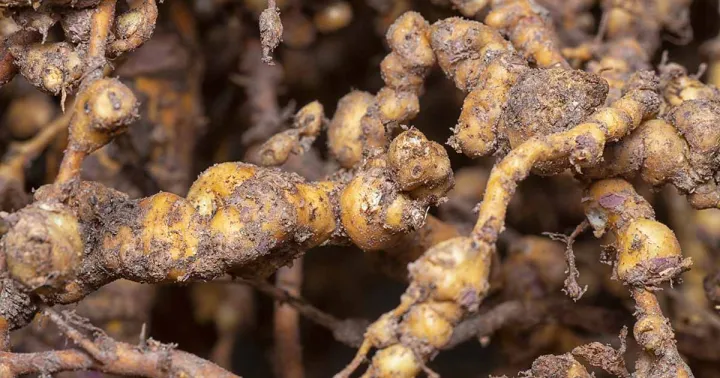
Upon infecting the roots, the nematode induces the formation of galls. These galls often differ from those caused by other nematode species, as they are frequently elongated and can appear in clusters, causing significant disruption to the vascular tissues.
The primary damage is caused by the restriction of nutrient and water transport within the root system. This physiological stress leads to stunted growth, leaf chlorosis, and significantly reduced fruit or tuber production.
Economic losses can be substantial, often reaching over 50% in heavily infested fields. Beyond yield quantity, the cosmetic quality of the produce is frequently compromised, making crops unsuitable for the commercial fresh market.
The ability of the nematode to survive in a wide range of temperatures and soil types allows it to establish permanent populations in agricultural areas, leading to long-term land management issues for farmers.
Signs of infestation
In the field, infected areas often appear as patches of stunted, yellowing plants that show signs of severe water stress even when soil moisture is adequate. These patches may expand over successive growing seasons if left unmanaged.
An examination of the root system will reveal distorted, swollen, and irregular galls. These root modifications are direct indicators of nematode feeding activity and the subsequent hormonal changes induced in the plant tissues.
Infected plants exhibit extreme sensitivity to environmental stresses, including heat and drought, because the compromised roots cannot effectively supply water to the shoots. In severe cases, the entire plant may wilt and die prematurely.
Secondary infections by soil-borne pathogens, such as fungi and bacteria, are common in roots damaged by N. aberrans. This leads to root rotting, which can mask the primary cause of the plant's poor health.
Diagnosis is confirmed by isolating the nematodes from root samples and observing their specific morphological features under a microscope, which is essential for accurate field assessment.
Control measures
Strict phytosanitary measures are the most effective way to prevent the introduction of this pest. This includes using certified nematode-free planting material and rigorous cleaning of machinery moved between fields.
Crop rotation with non-host species, such as cereals or grasses, can help reduce the soil population levels. However, because the nematode has a wide host range, including many common weeds, effective weed control is mandatory.
Chemical control using nematicides is an option in intensive production systems, though it is often expensive and requires careful environmental monitoring. Application timing must be synchronized with the nematode's peak juvenile activity.
Breeding for resistance is considered the most sustainable long-term solution. Researchers are actively working to identify and integrate resistance genes from wild relatives into commercial potato and tomato lines.
- Implementing mandatory quarantine regulations for imported soil and plants.
- Using solarization techniques in greenhouses to heat the soil and kill nematode stages.
- Integrating cultural practices like fallowing and balanced fertilization to improve plant vigor.
Causes diseases · 1
Discussion
No discussions yet — be the first.