
Coconut palm nematode
Bursaphelenchus cocophilus
Description
How to identify
Bursaphelenchus cocophilus is a microscopic nematode belonging to the phylum Nematoda. It is a highly specialized plant parasite responsible for the devastating Red Ring Disease in various palm species.
The biological cycle of this nematode is intrinsically linked to the palm weevil Rhynchophorus palmarum, which acts as the primary vector by carrying the larvae into the palm tissues.
As an endoparasite, it colonizes the vascular system, specifically the xylem and phloem, where it feeds and multiplies rapidly, disrupting the plant's hydraulic integrity.
Identification is challenging because the nematode is invisible to the naked eye. Diagnosis requires specialized laboratory techniques, such as the Baermann funnel method, to isolate the worms from wood samples.
It thrives in tropical climates where its vector is abundant, making the interaction between the parasite, the host, and the insect vector a critical factor for agricultural monitoring.
What it damages
The primary hosts of this pathogen are the coconut palm (Cocos nucifera) and the oil palm (Elaeis guineensis), both of which are essential crops in tropical regions.
By obstructing the transport of water and nutrients, the nematode causes systemic wilting, leading to rapid tissue death and the ultimate collapse of the host plant.
The economic impact is severe, as the disease can cause total loss of plantations within a few years if sanitation and control measures are not rigorously implemented.
Affected trees exhibit stunted growth and drastically reduced fruit production, rendering the plantation unprofitable long before the tree shows obvious symptoms of death.
Because the parasite remains hidden inside the trunk, damage is often detected when the infestation has already reached a critical level, threatening neighboring trees through vector transmission.
Signs of infestation
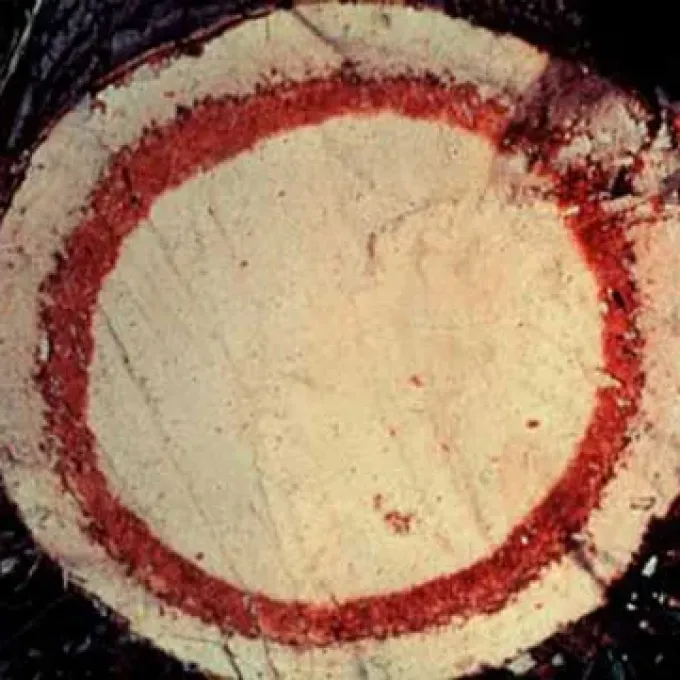
The hallmark of the infestation is the presence of a distinct red or reddish-brown ring visible in the cross-section of the palm trunk, representing areas of necrotic tissue.
Initial signs include chlorosis of the lower fronds, which turn yellow and then brown, gradually progressing upward through the canopy of the palm.
Infested palms often show signs of crown stress, such as the sudden shedding of young fruits and nuts, as the tree loses its ability to sustain development.
In advanced stages, the terminal bud dies, causing the heart of the palm to rot, which leads to the eventual collapse of the entire crown and the death of the tree.
Field inspectors look for clusters of wilting fronds and signs of weevil infestation, as the presence of the insect is a strong indicator of a potential nematode outbreak nearby.
Control measures
The most effective strategy for managing Red Ring Disease is the immediate removal and destruction (by fire or deep burial) of all symptomatic trees to eliminate reservoirs of the pathogen.
Integrated pest management (IPM) is crucial, focusing on the reduction of the palm weevil population through the use of pheromone traps and biological control agents.
Strict quarantine measures should be enforced to prevent the movement of contaminated palm material, seedlings, or wood products between unaffected and endemic zones.
- Disinfecting pruning tools with appropriate chemicals after every tree.
- Monitoring plantation health through systematic tree inspections.
- Implementing buffer zones where infected trees have been removed.
Education of local farmers regarding the symptoms and the necessity of immediate reporting is essential to contain the spread of Bursaphelenchus cocophilus within vulnerable tropical regions.
Causes diseases · 1
Discussion
No discussions yet — be the first.