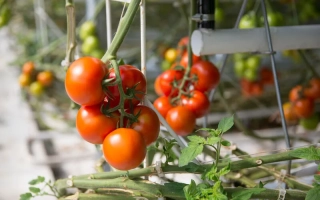
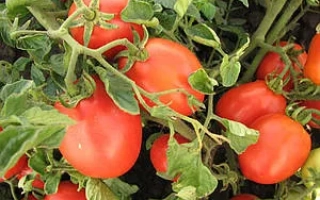
Tomato variety "EXTRADENA F1" is an indeterminate hybrid developed by the Swiss company Syngenta AG. It is primarily intended for cultivation in glasshouses, but it is also successfully grown in various climatic regions of Russia, including the Northern, Central, Ural, and Far Eastern regions. The plant reaches a height of approximately 215-220 cm, with horizontally arranged medium-sized doubly compound leaves. The first flower cluster appears at a height of about 60 cm, facilitating harvest collection.
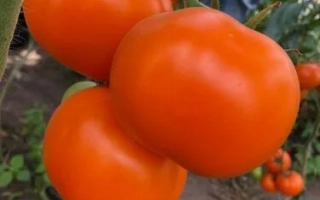
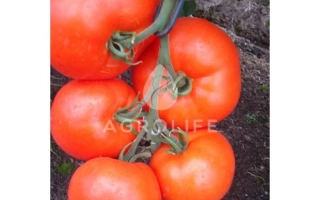
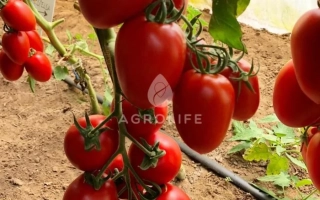
The fruits of the "EXTRADENA F1" tomato are large, round, with an average weight of about 331 g, thick walls, and a six-chamber structure. Immature fruits have a light green color, which changes to a deep red upon ripening. The hybrid exhibits high fruit set even under stressful conditions, is resistant to temperature fluctuations, and does not drop clusters, ensuring a stable and high yield — up to 3.5 kg per square meter, with a commercial product output of up to 98%.
A distinctive feature of this variety is its high resistance to a range of diseases, including late blight (Ff: A-E), verticillium wilt (Fol: 0-1), fusarium (For), cladosporiosis (S), tobacco mosaic virus infection (TMV: 0), and tomato mosaic virus (ToMV: 0-2). Thanks to these qualities and adaptability to climatic conditions, the "EXTRADENA F1" tomato is suitable for traditional cultivation and light agriculture. It is excellent for processing, canning, and fresh consumption, making it a versatile choice for farmers and gardeners.