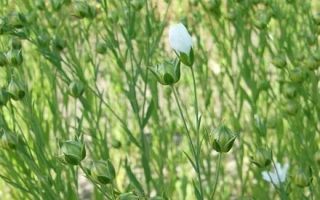
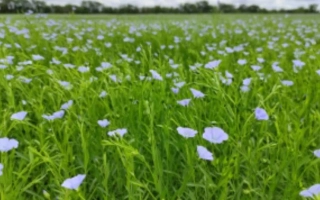
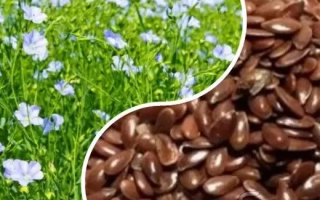
TOMIC 2 is a variety of flax (Linum usitatissimum L. f. elongata) characterized by early maturity and adaptability to various climatic conditions. The plant has a medium-length stem, with absent or very weak calyx spotting. The corolla is blue-violet at the bud stage, turns blue upon full development, and the style at the base is blue. The capsule is small, without fringed false septum, with seeds that are dark brown, weighing 4.5–4.7 g per 1000 seeds. The vegetative period lasts about 85 days, with average flowering onset. The variety is distinguished by high yield and good resistance to unfavorable factors. Average flax straw yield in various regions ranges from 39.5 to 56.3 c/ha, and seeds from 4.4 to 7.4 c/ha, exceeding standard varieties. Maximum flax straw yield reached 85.6 c/ha in individual farms. Total fiber content ranges from 27.9 to 32.8%, and long fiber yield from 8.7 to 21.4%. Resistance to lodging is rated 4.4–4.6 points, and to shattering from 3.0 to 4.5 points, ensuring crop preservation under unfavorable weather conditions. TOMIC 2 has good disease resistance, particularly to Fusarium blight of seedlings, is weakly affected by bacterial spot, but can be strongly affected by anthracnose. The variety is recommended for use in crop rotations to achieve high yields of quality flax. Due to its characteristics, it is suitable for cultivation in the North-Western, Central, and Volga-Vyatsk regions, demonstrating stable performance and adaptability to various agro-climatic conditions.