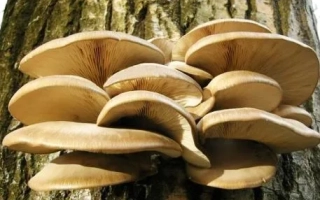
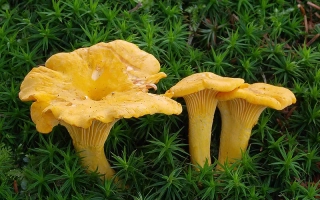
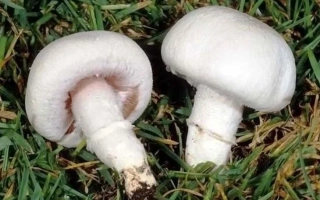
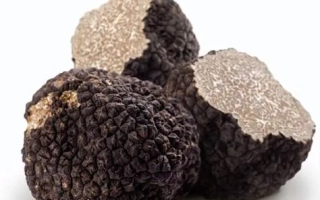
Wood Ear Mushroom — a little-known edible mushroom with dense, cartilaginous, crisp flesh, rich in proteins, vitamins, and iron. Special substances in its composition inhibit fat absorption by the body, helping to lower blood cholesterol levels and promote weight loss. It is used to prepare hot dishes, appetizers, salads, and soups.
Grows: on dead wood, at the base of tree trunks, and on branches of deciduous trees and shrubs (oak, buckthorn, maple, alder), in groups. Cap: 3–8 cm in diameter, attached sideways, leaf-like, shell-shaped, convex on top, with curled edges, velvety, finely hairy, (resembling a shell ear), finely ribbed with veins, matte. In dry weather, gray-brown to brown with a reddish tint; in damp weather, olive-brown, brownish-red when viewed through. Flesh: thin, elastic, gelatinous, dense, odorless.
The Wood Ear mushroom helps restore lost telomeres — informational DNA molecules — and increases synthesis of NK cells and macrophages (responsible for anti-cancer immunity), stomach, and colon. Pressed black wood mushroom is a superaccumulator of iodine, containing proteins, carbohydrates, complex vitamins essential for humans, as well as gelatin, possessing excellent cleansing and detoxifying properties. It also contains an octet of amino acids, provitamins, and other rare elements. Consuming this product reduces cancer risk, clears lungs (thanks to its expectorant effect) and intestines of ama (incomplete metabolism products), prevents thrombosis in blood vessels, and enhances coronary blood flow. Recommended for workers in mining, textile industries, and facilities with heavily polluted air.