
Features of Using Feed Acidifiers for Pigs and Poultry
This article highlights the features of using feed acidifiers in rations for pigs and poultry. It describes the benefits of their use for improving digestion, protection against pathogenic microorganisms, enhancing animal and bird productivity.
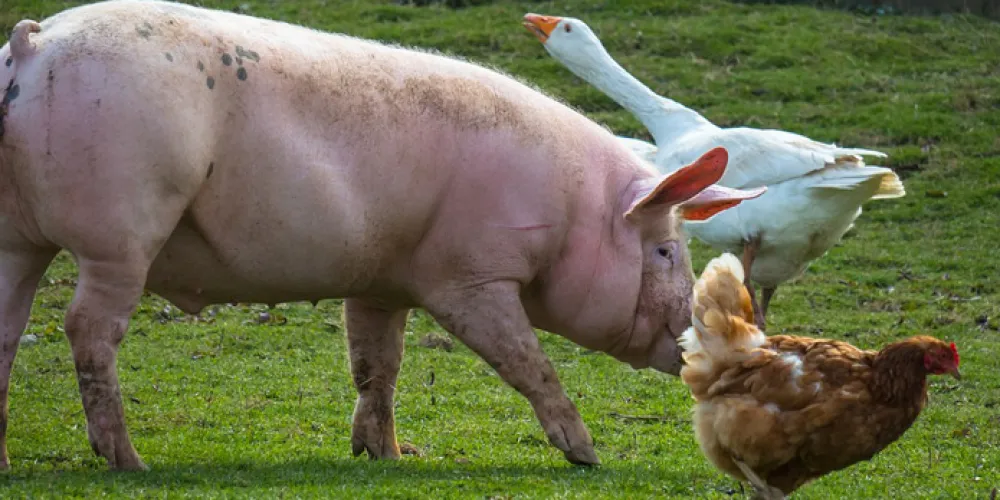
Modern animal husbandry and poultry farming require effective solutions to support animal health, optimize productivity, and reduce production costs. One such solution is feed acidifiers — special additives that regulate the acid-base balance in the gastrointestinal tract of animals. Acidifiers help improve digestion, enhance feed efficiency, strengthen immunity, and reduce infection risk.
What Are Feed Acidifiers?
Feed acidifiers — these are organic or inorganic acids (typically lactic, formic, citric, or propionic), added to animal feed. They lower the pH level in the gastrointestinal tract, creating unfavorable conditions for the development of pathogenic bacteria such as E. coli or Salmonella, while also improving the intestinal microflora.
Benefits of Using Acidifiers for Pigs
-
Improved Digestion and Nutrient Absorption
Feed acidifiers stimulate gastric juice production in pigs, helping them better digest and absorb feed. This is especially important for piglets, which still have an underdeveloped digestive system after weaning from their mothers. Thanks to acidifiers, the efficiency of nutrient absorption, such as proteins, fats, and carbohydrates, increases. -
Protection Against Pathogenic Microorganisms
Lowering the pH level in the gastrointestinal tract of pigs creates unfavorable conditions for the proliferation of harmful bacteria, especially those that may cause diarrhea or other infectious diseases. Feed acidifiers help strengthen the animals' immunity and reduce the need for antibiotics. -
Increased Productivity
Improved digestion and nutrient absorption positively affect pig growth and development. As a result, average daily weight gain increases, and feed conversion improves. This leads to reduced feed costs and increased economic efficiency of production.
Benefits of Using Acidifiers for Poultry
-
Improved Egg Quality and Broiler Productivity
For poultry, feed acidifiers are also important for maintaining intestinal health and improving feed utilization. In laying hens, this leads to stable egg-laying and improved shell quality. For broilers, it means faster growth and better feed utilization, resulting in improved production economics. -
Prevention of Gastrointestinal Infections
Like in pigs, feed acidifiers help prevent the development of pathogenic microorganisms in the gastrointestinal tract of poultry. This is especially important for young birds, as they are susceptible to diseases such as coccidiosis and necrotic enteritis. Using acidifiers strengthens poultry immunity and reduces the need for medication. -
Improved Feed Conversion
Thanks to stabilizing intestinal microflora, feed acidifiers allow for better feed digestion, leading to more efficient use of nutrients and reduced feed costs. This is especially important for broilers, where rapid growth is a key indicator of efficiency.
Types of Feed Acidifiers
Feed acidifiers are divided into several types depending on their composition:
-
Organic Acids
These include formic, citric, propionic, and lactic acids. They are of natural origin and are known for their antimicrobial properties. Organic acidifiers provide a stable effect in the gastrointestinal tract and promote the active growth of beneficial microflora. -
Inorganic Acids
These are typically phosphoric and sulfuric acids. They also lower the pH in the gastrointestinal tract, but have less pronounced effects compared to organic acids. However, their use may be economically advantageous under certain conditions.
Special Features of Using Acidifiers
-
Dosing and Control
Correct dosing of feed acidifiers is key to achieving optimal results. Insufficient amounts may not provide the desired effect, while excessive use may cause metabolic disorders or damage to the intestinal mucosa. It is important to consult with animal nutrition specialists to determine optimal doses based on animal age, weight, and species. -
Compatibility with Other Additives
Feed acidifiers can be effectively combined with other additives, such as probiotics, enzymes, or premixes. This allows for creating a balanced ration that ensures maximum animal productivity.
Using feed acidifiers for pigs and poultry is an important component of rational feeding, ensuring stable animal health, increased productivity, and reduced feed costs. Thanks to proper selection and dosing of acidifiers, farmers can achieve significant improvements in raising animals and poultry, making this approach essential for modern animal husbandry and poultry farming.
Editorial team agronom.info
Materials are prepared by the portal's agronomists and editors. We use only trusted sources: Ukrainian agricultural universities, variety registries, open scientific publications.
Related articles


Not yet comments. Be the first!
Comments · 0