
Milk Truck for Feeding Calves: Convenience and Efficiency in Modern Livestock Farming
On farms where a large number of calves are kept, the task of feeding can become quite labor-intensive. Manual milk distribution requires a lot of time and effort, and is also prone to errors such as incorrect dosage or temperature…
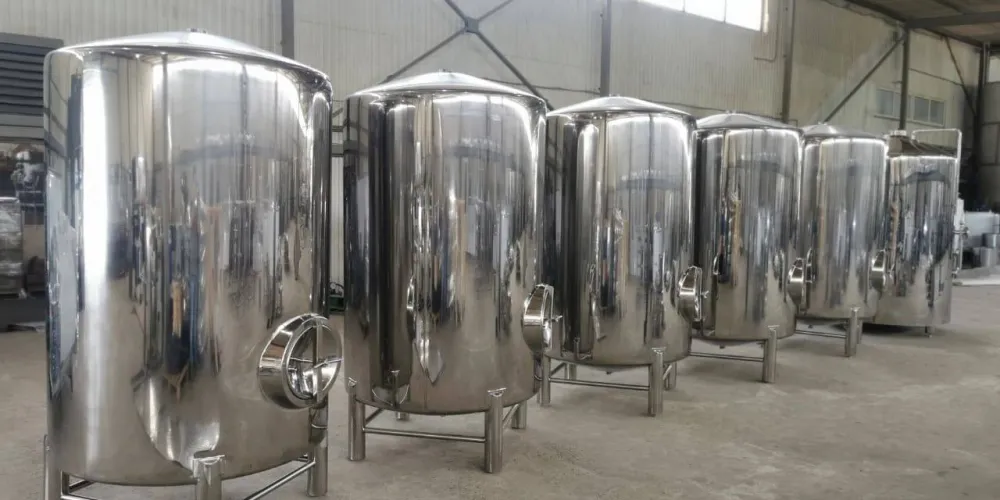
Milk Truck — is specialized equipment for transporting and distributing milk or milk substitutes to calves. These devices are widely used on farms where it is important to provide young animals with quality nutrition during the early stages of their development. Using milk trucks significantly simplifies the process of feeding calves, ensuring more accurate dosing and maintaining the required milk temperature. This contributes to increased productivity and health of the herd.
Why are milk trucks needed?
On farms where a large number of calves are kept, the task of feeding can become quite labor-intensive. Manual milk distribution requires a lot of time and effort, and is also prone to errors such as incorrect dosage or temperature mismatch. Milk trucks allow automating this process, significantly reducing labor costs and ensuring stable feeding conditions.
An important advantage of milk trucks is the ability to heat milk to the optimal temperature for calves. This is extremely important, since too cold or hot milk can lead to digestive problems in calves and slow their development. Modern milk trucks are equipped with built-in heating elements and temperature control systems, allowing the farmer to be confident that calves receive milk at a comfortable temperature for them.
Design and Functional Features
Milk trucks are mobile devices with a milk tank, pump, and hose for distribution. The tank is typically made of stainless steel, ensuring hygiene and ease of maintenance. Most milk truck models are also equipped with mixers that help evenly distribute nutrients in milk or its substitute, preventing sedimentation of the mixture at the bottom of the tank.
Some models have automatic dosing functions, allowing precise portions of milk to be set for each calf based on its age and needs. This eliminates the risk of overfeeding or underfeeding, promoting more uniform and healthy growth of the herd. Milk trucks are also equipped with portion counters that help monitor the amount of milk fed.
Advantages of Milk Trucks
1. Accurate Dosing and Temperature Control
Milk trucks allow precise regulation of both the volume of milk delivered to each calf and its temperature. This is especially important for maintaining the health and normal growth of calves. Each calf must receive the required amount of nutrients with each feeding, and this should occur under stable temperature conditions to avoid digestive problems.
2. Reduced Labor Costs
Automating the feeding process significantly reduces the time farmers spend caring for young livestock. While manual feeding may take several hours, a milk truck can complete this task in minutes. This is especially relevant on large farms where the calf population may number in the tens or hundreds.
3. Hygiene and Safety
Using a milk truck minimizes contact between milk and the surrounding environment, reducing the risk of contamination. Tanks are easily washed and disinfected, contributing to maintaining high hygiene standards. This helps reduce the likelihood of infections spreading among calves and improves their overall health.
4. Universality
Milk trucks can be used for distributing natural milk or for feeding calves with milk substitutes (MS). This allows the feeding system to be adapted according to the farm's needs and available resources.
5. Increased Productivity
Thanks to stable dosing and control over the feeding process, calves receive the necessary nutrients in optimal amounts. This improves their health, promotes faster growth and development, which in the long term increases the productivity of the herd.
Integration of Milk Trucks into Farm Management Systems
Modern milk trucks can be part of a farm's overall management system. Some models are equipped with the ability to connect to digital systems that allow real-time monitoring of feeding processes. This gives farmers the ability to track the amount of milk fed to each calf, its growth, and overall health status.
Digitalization also opens opportunities for data analysis, helping optimize farm processes, predict animal needs, and make timely adjustments to feeding. In such conditions, farmers can more efficiently manage their resources, reducing costs and improving production metrics.
Conclusion
Milk trucks have become an indispensable tool in modern livestock farming, especially on large farms with intensive calf rearing. They not only significantly ease the workload of farmers but also improve feeding quality, ensuring healthy growth and development of young animals. Thanks to automation, accurate dosing, and maintaining the correct milk temperature, milk trucks allow creating optimal conditions for calves, which contributes to improving the overall health of the herd and increasing farm productivity.
Editorial team agronom.info
Materials are prepared by the portal's agronomists and editors. We use only trusted sources: Ukrainian agricultural universities, variety registries, open scientific publications.
Related articles


Not yet comments. Be the first!
Comments · 0