
Features of choosing latex and acrylic paints for interior work
Overview of characteristics and selection features of modern paints for finishing walls and ceilings inside residential premises.
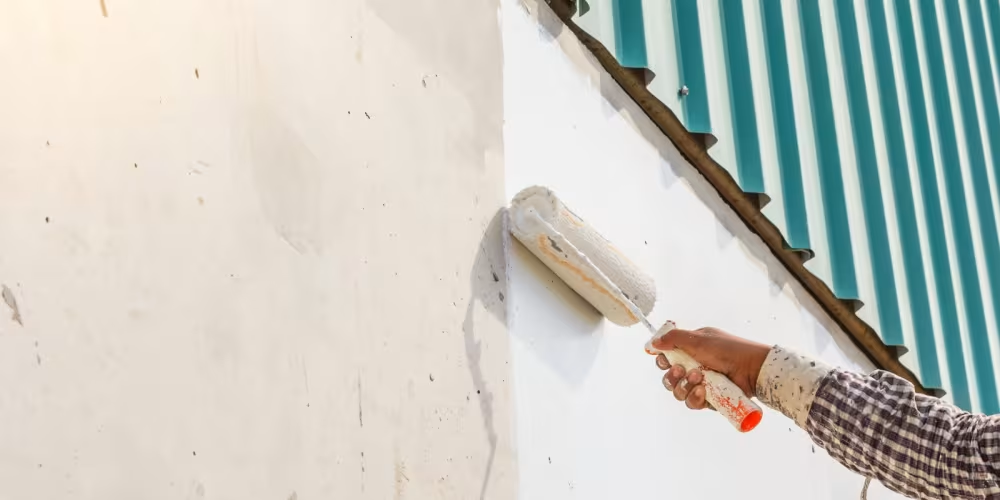
Choosing interior materials for renovation
The modern market of finishing materials offers a wide assortment of compositions for interior decoration, among which water-dispersion emulsions occupy a special place. When carrying out renovation work in residential and public buildings, it is important to correctly select products from the category https://www.sniezka.ua/ru/izdeliya/steny-i-potolki, taking into account the operational features of a specific room. High-quality paint and varnish materials must ensure the durability of the coating, ease of application, and an aesthetic appearance of the surface for many years.
A competent approach to interior planning begins with an analysis of the microclimate in the rooms. For example, kitchens and bathrooms require moisture-resistant compositions capable of withstanding regular exposure to steam and splashes, while for bedrooms and children's rooms, absolute environmental friendliness and hypoallergenic components come to the fore. Modern manufacturers offer universal solutions that combine both of these crucial parameters, allowing you to create a harmonious and safe space throughout the house.
Characteristics and classification of coatings
Acrylic and latex compositions are the most popular due to their operational properties. They allow creating smooth matte or semi-matte surfaces resistant to moderate mechanical loads. When choosing a specific can, it is necessary to pay attention to the abrasion class, hiding power, and material consumption per square meter. The high vapor permeability of such compositions allows walls to maintain the ability to breathe, which prevents the appearance of dampness and mold in living rooms.
The classification of paint and varnish products is based on the type of binder polymer. Acrylic dispersions are universal and suitable for most types of rooms, providing a balance of price and quality. Latex modifications contain rubber additives, due to which they form a more elastic and moisture-resistant film capable of covering small shrinkage cracks. Silicone and silicate compositions are used in difficult conditions with high humidity or fire safety requirements, demonstrating outstanding durability.
Key advantages of water-dispersion systems
resistance to repeated wet abrasion
excellent adhesion to mineral substrates
environmental safety and absence of sharp odor
optimal hiding power when applied with a roller or brush
Surface preparation is the key to renovation durability
Proper surface preparation using specialized primers and putties significantly reduces the consumption of finishing emulsions and guarantees color uniformity. Compliance with the manufacturer's technological recommendations allows you to achieve an ideal result even when carrying out painting work in residential premises independently.
At the initial stage, it is necessary to completely remove old peeling coatings, seal large cracks with repair compounds, and level the surface using finishing putty. After the putty layer dries, a mandatory step is sanding until a smooth texture is obtained and dust removal. Applying a deep-penetration primer strengthens the base, equalizes its absorption capacity, and ensures maximum adhesion of the finishing paint to the wall.
Secrets of professional paint application
To make the painted surface look flawless, it is important to follow painting techniques. It is recommended to apply the composition in two to three thin layers with intermediate drying, rather than one thick layer that can run or crack. The tool should be selected depending on the paint texture and surface type: short-pile rollers are suitable for smooth walls, while long-pile rollers are required for relief wallpaper or textured plaster.
The temperature and humidity regime in the room during painting and drying plays a critical role. The optimal air temperature should be from +15 to +25 degrees Celsius, and the humidity should not exceed 70%. Drafts and direct sunlight on a freshly painted wall should be avoided, as uneven drying can lead to the formation of visible joints, streaks, and premature film peeling.
Care of painted surfaces during operation
After completing all finishing work and the coating is completely dry (usually this process takes from two weeks to a month), the surface acquires its final operational characteristics. Caring for such walls does not require the use of aggressive household chemicals. It is enough to periodically wipe them with a damp soft sponge using a soap solution, especially in high-traffic areas such as corridors, hallways, and stairwells.
In case of accidental damage or the appearance of stubborn stains, high-quality modern coatings easily lend themselves to local restoration. It is enough to carefully sand the problem area, apply a little primer, and touch it up with the same composition. Due to precise tinting and good hiding power, the boundaries of the repair spot will be completely invisible, which allows maintaining the flawless appearance of the interior without the need to completely repaint the entire room.
Editorial team agronom.info
Materials are prepared by the portal's agronomists and editors. We use only trusted sources: Ukrainian agricultural universities, variety registries, open scientific publications.
Related articles

Not yet comments. Be the first!
Comments