LIGNOGLUMATE
Private enterprise "Rodonit", Ukraine
Plant Growth Regulators
0
4
·
2.3K
5 offers
6.38 €per 1 l
Buy
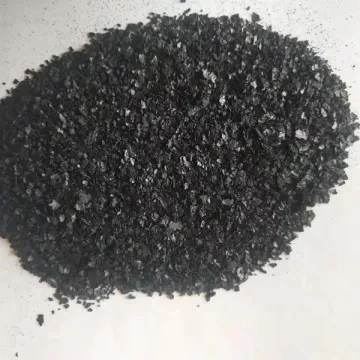
Sodium humate is the sodium salt of humic acid, extracted from peat, lignite, or leonardite through alkaline processing. This bioactive substance functions as a potent natural stimulant that accelerates plant cellular metabolism.
The primary action of the compound relies on the activation of enzymatic systems within crops. Humates facilitate more efficient absorption of mineral elements from the soil by acting as natural chelating agents that convert nutrients into highly bioavailable forms.
Applying this substance intensifies photosynthesis by increasing chlorophyll concentration in leaves. This results in accelerated biomass accumulation, enhanced root system development, and overall fortification of the plant's vegetative parts.
Sodium humate positively impacts soil structure by improving water retention and physicochemical properties. Specifically, it promotes soil particle aggregation, which is critical for heavy clay soils to ensure proper aeration.
The product also exhibits anti-stress properties, increasing crop resistance to drought, extreme temperature fluctuations, and soil salinity. This makes it an essential component in adaptive agricultural management systems.
Sodium humate application is aimed at mitigating slow seedling development and the stunted growth often observed after transplanting. It effectively buffers the negative impacts of herbicide stress on crops.
The compound is used to prevent micronutrient deficiencies, as it binds metal ions, preventing them from leaching or becoming fixed in unavailable chemical forms. This is vital when cultivating crops on nutrient-poor or degraded soils.
This group of substances helps crops resist biotic stress, including fungal infections, by strengthening the overall plant immune system. Plants become less susceptible to certain pests due to improved metabolic health.
Sodium humate assists in managing the consequences of soil chemical contamination by heavy metals, binding them into inert complexes. Consequently, it contributes to producing safer, more sustainable agricultural yields.
Application is relevant for buffering the negative effects of soil acidity. By stabilizing the pH in the rhizosphere, humates create optimal conditions for beneficial soil microflora.
For seed treatment, a dilute working solution (0.01%–0.05%) is typically used. The exposure time ranges from 12 to 24 hours, depending on the thickness and nature of the seed coat.
Foliar applications (leaf spraying) are performed during critical plant development stages: during active tillering, before flowering, and at the beginning of fruit formation. The concentration of the working solution should strictly adhere to the manufacturer's guidelines.
When applying via root irrigation, it is crucial to observe dosages carefully, as an excess of humic compounds may inhibit root growth. It is optimal to apply the product with irrigation water every 10–14 days during the vegetative cycle.
In large-scale commercial farming, sodium humate is often mixed into tank mixes containing mineral fertilizers or plant protection products. A compatibility test is mandatory prior to mixing these substances.
The main limitation is the prohibition against exceeding recommended concentrations. Excessive humate levels can lead to the blockage of phosphorus and certain micronutrient uptake due to the high density of active organic molecules.
It is not recommended to apply sodium humate to highly alkaline soils, as the effectiveness of the compound decreases significantly under such conditions. Humates perform best in neutral or slightly acidic soil environments.
Sodium humate should not be combined with calcium-based fertilizers in the same tank, as this causes the formation of insoluble precipitates. Such mixtures may damage spraying equipment and reduce application efficiency.
This product should not be considered a full replacement for mineral nutrition. Sodium humate is an auxiliary tool that amplifies the efficacy of primary fertilizers but does not fulfill the total nitrogen, phosphorus, and potassium requirements.
During prolonged storage of a prepared working solution, biological activity may decline due to microbial growth. The solution should be used within a few hours after preparation.