

Description
Mode of action
Copper (Cu) is an essential micronutrient that activates numerous enzymes involved in carbohydrate and protein metabolism. It is vital for chlorophyll synthesis, preventing its premature degradation and maintaining high rates of photosynthesis throughout the growing season.
This element plays a critical role in the lignification of cell walls, providing structural strength to stems and increasing resistance to lodging. Copper also influences reproductive development, directly affecting pollen fertility and the overall quality of the harvested crop.
Copper enhances plant immunity by activating defense mechanisms against various fungal and bacterial pathogens. It regulates water balance and promotes sugar accumulation, which significantly improves cold tolerance and drought resistance in crops.
The bioavailability of copper depends heavily on soil pH; in alkaline and peaty soils, the element often becomes inaccessible. Utilizing appropriate fertilizer forms allows farmers to effectively correct nutrient levels regardless of soil characteristics.
Copper application is particularly important for cereal crops, supporting root development and proper grain filling. Without adequate copper levels, plants fail to reach their full genetic yield potential and often show poor grain quality.
What it targets
- Prevention of chlorosis and leaf tip whitening in cereals.
- Increased resistance to powdery mildew, rust, and other pathogens.
- Deficiency correction in peat, sandy, and over-limed soils.
- Improved grain quality: higher protein and gluten content.
- Growth stimulation for crops under abiotic stress conditions.
Rates and timing
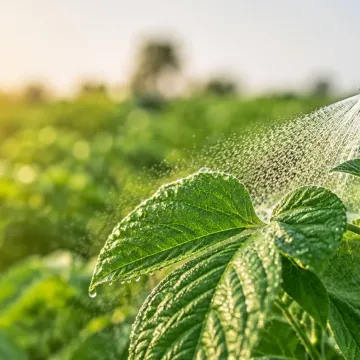
Application rates vary by crop and method, typically ranging from 50 to 300 grams of active ingredient per hectare for foliar sprays. Soil application requires higher doses, often reaching 1–5 kg/ha depending on the severity of the deficiency.
Seed treatment with copper-containing products is an effective way to protect seedlings during early development. The optimal timing for foliar application in cereals is during the tillering and stem elongation stages.
Soil conditions must be considered: copper is more available in acidic soils, allowing for lower doses. On high-organic or alkaline soils, chelated copper forms are recommended for better plant uptake and efficiency.
Corrective applications should be made based on visual symptoms of deficiency or results from soil fertility analysis. Re-application may be necessary if adverse conditions continue to hinder natural nutrient uptake.
Following application guidelines ensures high yield responses without the risk of toxic accumulation in the soil profile. Over-application can negatively impact soil microbiota and the availability of other essential micronutrients.
Restrictions
Excess copper in the soil is toxic and can inhibit root growth, reducing the plant's ability to absorb iron and zinc. This creates a secondary nutrient deficiency that is difficult to manage once established.
Signs of toxicity include darkened root systems, stunted shoot growth, and brown spotting on leaves. This often occurs due to years of excessive copper-based fungicide use on the same agricultural land.
Copper should not be mixed with highly alkaline products, as this reduces the stability and effectiveness of the fertilizer. It is also advisable to avoid application during extreme temperature fluctuations when plant metabolic rates are slowed.
Consistent soil monitoring is the best strategy to prevent copper accumulation beyond safe levels. Maintaining diverse crop rotations and varying fertilizer types helps sustain a balanced nutrient profile in the soil.
The efficacy of copper application is closely linked to soil moisture. In drought conditions, foliar spray efficiency is reduced due to decreased cuticle permeability and slower nutrient transport within the plant tissues.
Reference
Connections · Copper
Most often together:
Marketplace
Products · 715


Controlfit (brands Controlfit Cu, Controlfit Si, Controlfit PK)
AgriTecno Fertilizantes
Fertilizers
0
0
1 offer
9.87 €за л
Buy


Liquid Organic-Mineral Fertilizer «HALYCHYNA»
Halychyna, SP TzOV
Fertilizers
0
0
1 offer
86.38 €per pack
Buy


Liquid Chelated Microfertilizers Wonder Leaf
MACOШ MINERAL, LLC
Fertilizers
0
0
2 offers
3.24 €за л
Buy

SUBSTRAL Mineral Liquid Fertilizer, Fertilizer
Evergreen Garden Care Poland
Fertilizers
0
0
1 offer
2.17 €per pack
Buy


Meliorant-Fertilizer Calcium-containing Complex Action
Sunrise, PP
Fertilizers
0
0
1 offer
1.19 €per 1 kg
Buy


Liquid Chelated Microfertilizers Wonder Leaf
MACOШ MINERAL, LLC
Fertilizers
0
0
4 offers
3.24 €за л
Buy


Complex Fertilizers «Crofter (Crofter)»
Euroagrogroup Scientific-Production Company
Fertilizers
0
0
3 offers
5.44 €за л
Buy


