

Amino (AminoTotal/AminoVix)
BEIJING LAILI MARIN BIOINDUSTRIAL CO., CHINA
Plant Growth Regulators
0
0
·
64
1 offer
6.25 €per 1 l
Buy
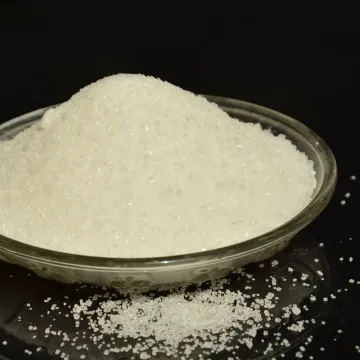
L-amino acids are biologically active forms of compounds that are readily absorbed by plants. Unlike D-isomers, the L-form serves as the natural building block for essential protein synthesis.
Applying L-amino acids allows plants to conserve metabolic energy, as they do not need to synthesize these complex organic molecules from basic nitrogen sources. This energy can be redirected towards fruit development.
These compounds assist in regulating osmotic pressure, which helps maintain turgor during drought conditions. They also act as natural chelating agents, facilitating the transport of micronutrients into leaf tissues.
By activating enzymatic processes, L-amino acids accelerate the physiological development of the plant throughout all growth stages. This is particularly beneficial during phases of high demand.
These supplements stimulate the production of phytohormones responsible for root system expansion and overall vigor. They improve the physiological health of the crop at the cellular level.
The primary use is to overcome abiotic stress, including drought, temperature extremes, and chemical phytotoxicity caused by herbicide applications.
They are essential for rapid tissue recovery following mechanical damage, such as hail, cultivation injury, or pest impact.
They help bridge nutrient deficiencies when soil conditions prevent effective uptake through the roots, ensuring the plant receives immediate metabolic support.
Used to enhance produce quality, including sugar content, shelf life, and visual appeal, which is crucial for high-value horticultural crops.
They provide stability during adverse environmental changes, ensuring consistent productivity even under challenging agricultural conditions.
Foliar application is most effective during key growth stages or fruit development, typically repeated every 10–14 days to maintain metabolic support.
Application rates vary depending on the concentration of the product, usually ranging from 0.5 to 2 liters of working solution per hectare.
The best time for spraying is early morning or evening to reduce moisture evaporation and maximize stomatal absorption.
L-amino acids can often be mixed with pesticides or micronutrients, often improving the efficacy of the tank mix due to better cuticle penetration.
Proactive application before predicted stressful events is recommended as a strategic approach to boost plant immunity.
Over-application can disrupt the nitrogen balance, potentially causing temporary growth inhibition; strictly follow product label instructions.
Effectiveness is significantly reduced if the plant is dormant or if physiological processes have ceased due to extreme thermal conditions.
Quality matters: products obtained via enzymatic hydrolysis provide the best bioavailability compared to those produced by chemical processes.
Avoid mixing with high-concentration copper or sulfur-based products unless compatibility testing confirms it is safe.
Maintaining the proper pH of the spray solution is critical, as extreme acidity or alkalinity can negatively affect the chemical stability of the amino acids.


