
The South Remains Most Vulnerable to Drought: Four-Year Data Analysis
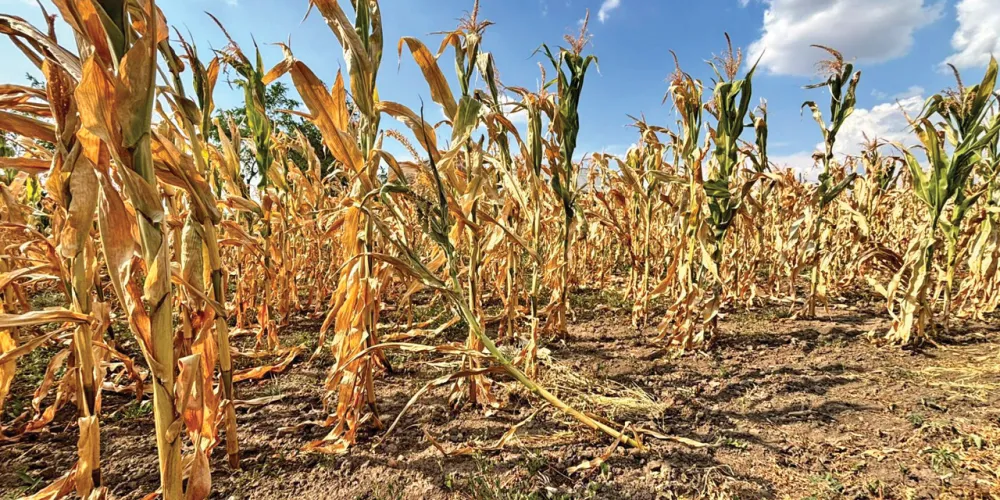
Over the past four years, summer seasons in the Republic of Moldova have repeatedly been characterized by high temperatures and extended periods of insufficient precipitation. Hydrometeorological data clearly indicate a persistent trend: soil moisture reserves decrease significantly during the summer months, sometimes dropping to very low levels. This phenomenon is most pronounced in the southern part of the country, yet during severe droughts, the moisture deficit spreads to the central and northern regions as well.
At the same time, scientists draw attention to the gradual depletion of agricultural soils. With each harvested crop, substantial amounts of nutrients are removed from the earth, and these are not always replenished to the same degree. Under these conditions, drought places even greater pressure on soils that are already losing their capacity to support optimal crop yields.
To better understand the climatic characteristics, it is essential to examine recent agricultural years. Starting from 2023, summers in the Republic of Moldova have to varying degrees been marked by high temperatures, precipitation deficits, and a reduction in soil moisture reserves, which directly impacted agricultural crops. However, the intensity and timing of droughts varied from year to year.
The AgroExpert team analyzed weather dynamics over the past four summers to determine how precipitation patterns, temperature indicators, and soil moisture reserves have shifted, and how the current season differs from previous ones.
For instance, looking back at the starting points of this period, experts note that the summer of 2023 was very hot with scarce rainfall. Average temperatures exceeded the climatic norm by 2.1–2.7 °C, with August turning out to be the most severe month for agriculture due to extreme soil moisture shortages.
Not yet comments. Be the first!
Comments