
Wheat output falls in Nepal’s Madhesh Province as weather, pests and seed gaps hit yields
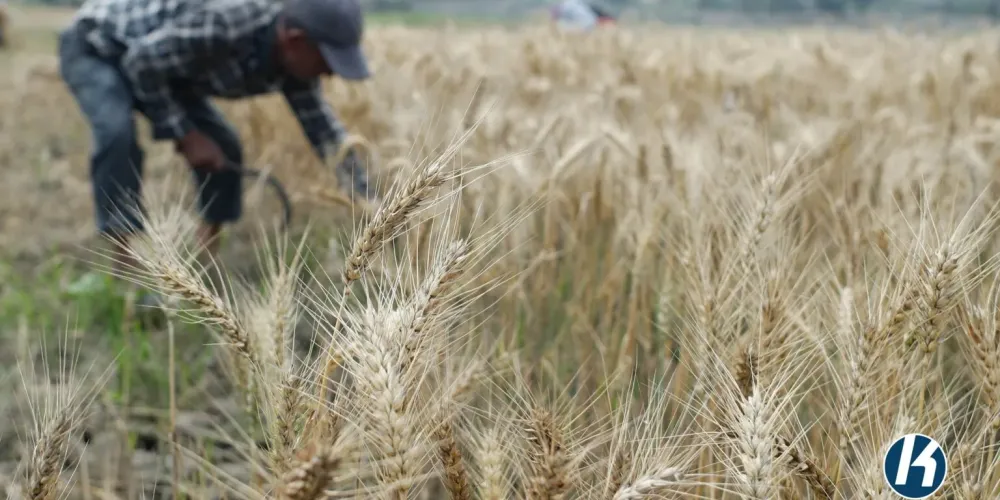
Wheat production in Nepal’s Madhesh Province has declined this year, according to figures cited by Khabarhub from the Directorate of Agriculture Development. The province is described in the report as one of Nepal’s most fertile areas and a major wheat-producing region. Total production reached 543,160 metric tons from 300,732 hectares, with average yield at 1.8 metric tons per hectare.
The largest district contribution came from Dhanusha, where 98,490 metric tons were harvested from 33,500 hectares. Crop Development Officer Kiran Bishwakarma said average yield there was 2.94 metric tons per hectare. That keeps Dhanusha in the leading position within the province’s wheat balance.
Rautahat cultivated wheat on 17,292 hectares and produced 52,741 metric tons, with average yield of 3.05 metric tons per hectare. Sarlahi produced 69,596 metric tons from 27,400 hectares, equal to 2.54 metric tons per hectare. Those district figures show that performance varied significantly across Madhesh even within the same season.
In Mahottari, wheat covered 27,000 hectares and produced 72,800 metric tons, with average yield of 2.6 metric tons per hectare. Saptari harvested 82,320 metric tons from 29,400 hectares, reaching 2.8 metric tons per hectare. Bara cultivated 29,000 hectares and generated 71,920 metric tons, with average yield at 2.48 metric tons per hectare.
Jitendra Yadav, director of the Directorate of Agriculture Development, attributed the decline to a combination of adverse weather, pest infestations, inadequate irrigation facilities and lack of quality seed. That makes the report more than a simple production tally. It points to structural constraints in one of Nepal’s core wheat zones, with weather, crop protection, water access and seed quality all affecting final output.
Not yet comments. Be the first!
Comments · 0