
Chia‑mediated silica nanoparticles improve rice seed germination and early physiological responses
Researchers compared chemical and biological fabrication routes to produce silicon nanoparticles (SiNPs) using bulk silica (SiO2) as the precursor and chia (Salvia hispanica) seed extract as a biological capping agent.
Nanoparticles synthesized by both routes were characterized by UV‑spectrophotometry, transmission electron microscopy (TEM), Fourier‑transform infrared spectroscopy (FTIR), X‑ray diffraction (XRD), and zeta potential analysis to assess physicochemical differences.
Bio‑SiNPs exhibited greater stability and a higher surface area than chemically synthesized SiNPs, a difference the authors attribute to bioactive phytochemicals from chia extract forming a capping layer that enhances particle stability and surface properties.
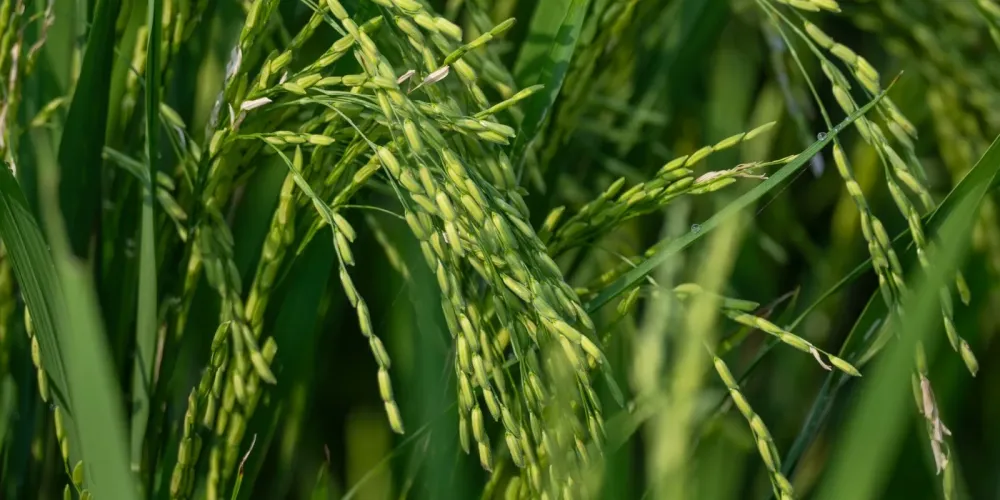
The study tested nano‑priming effects on rice (Oryza sativa L. var. Sakha 108) seeds using Bulk‑Si, Chem‑SiNPs and Bio‑SiNPs at two concentrations (30 and 100 ppm), and measured germination and multiple physiological and biochemical parameters in seedlings.
Among treatments, Bio‑SiNPs at 100 ppm produced the largest gains in early growth metrics: germination rate reached 97.3%, germination index 65.3%, germination rate index 130.73, seedling vigour index 18.68, seedling biomass 0.033 g, and water uptake increased by 31.53% relative to other treatments.
The same Bio‑SiNP 100 ppm treatment also significantly raised total soluble sugars, α‑amylase activity, radicle dehydrogenase activity, and silicon content in the seedlings.
All nanoparticle treatments—regardless of synthesis route—induced significant changes in stress‑related and antioxidant markers, including proline, malondialdehyde, hydrogen peroxide accumulation, glutathione levels, and activities of antioxidant enzymes, when compared with the bulk silica treatment.
The findings highlight that the fabrication method of SiNPs affects their physicochemical properties and biological effectiveness in seed nano‑priming. Chia seed extract functioned as an effective green capping agent in the biological route and improved germination and physiological responses in rice seedlings, with potential implications for future rice productivity.
Not yet comments. Be the first!
Comments