
Warming waters, falling yields: Climate change and the future of India’s shrimp industry
Climate stress is no longer a distant risk for India’s shrimp farms. It is already driving disease pressure, higher costs and more fragile export performance across the sector.
India’s shrimp industry has long been one of the pillars of the country’s marine export economy, but climate stress is now reshaping its day-to-day production model. The Hindu BusinessLine says farms in Andhra Pradesh, Odisha, Tamil Nadu and Gujarat are increasingly dealing with unstable water conditions, erratic weather and biological stress that interrupt production cycles once considered predictable.
Water temperature has become one of the most important constraints. Even small moves away from the optimal range increase shrimp metabolism without delivering equivalent growth, which means more physiological stress and weaker immunity. That in turn raises vulnerability to diseases such as Early Mortality Syndrome and White Spot Syndrome Virus. The report says outbreaks are now more common during peak summer months, bringing repeated crop losses and uneven yields across farming clusters.
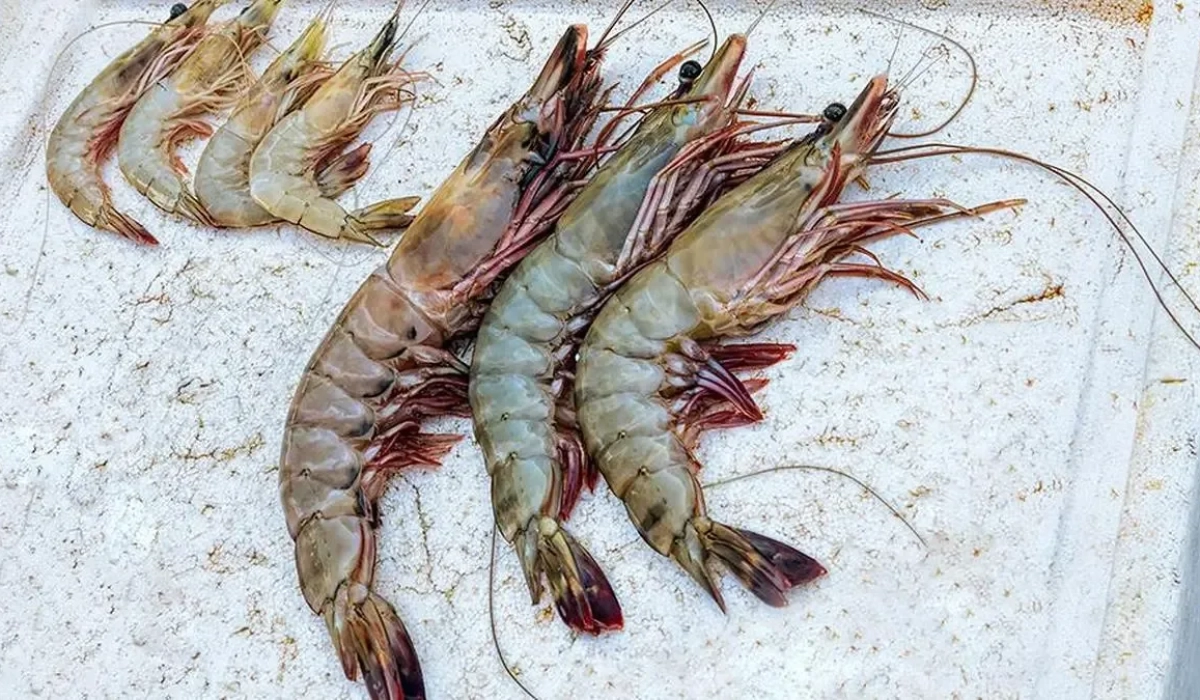
Extreme weather is adding another layer of risk. Cyclones, floods and erratic rainfall damage ponds and power systems, while sudden drops in salinity reduce feed absorption and survival rates. Large operators can spend more on mitigation, but smaller farms face higher mortality and weaker recovery capacity after every climate shock. The sector is therefore splitting into producers who can invest in resilience and those who are being priced out by volatility.
Farm management costs are rising at the same time. Aeration systems, water exchange cycles and chemical treatments are being used more often to stabilise conditions, and that pushes production expenses up faster than farm-gate prices in many cases. Smaller and mid-scale farmers are the most exposed because they have less access to credit and fewer tools to hedge repeated weather-related losses.
India’s export profile also concentrates the risk. The United States remained the biggest buyer in FY 2024-25 at 311,948 tonnes, followed by China at 136,164 tonnes and the European Union at 99,310 tonnes. Exports to the US rose from 272,041 tonnes in 2020-21 to 311,948 tonnes in 2024-25, but the article argues that maintaining stable supply is becoming harder as climate-linked disruptions affect farm output and market timing.
The industry is starting to adapt through recirculating aquaculture systems, biofloc technology, climate-controlled ponds and research into more disease-resistant shrimp strains. But BusinessLine argues that those investments need support from stronger adaptation policy, better water management, deeper use of early warning systems and insurance models built for climate variability rather than one-off production loss. Over time, the sector may also need broader market diversification and more value-added exports, because productivity is now being judged not just by volume, but by how stable output remains under climate stress.