
Kashmir cherry growers look to rail cargo to reduce post-harvest losses
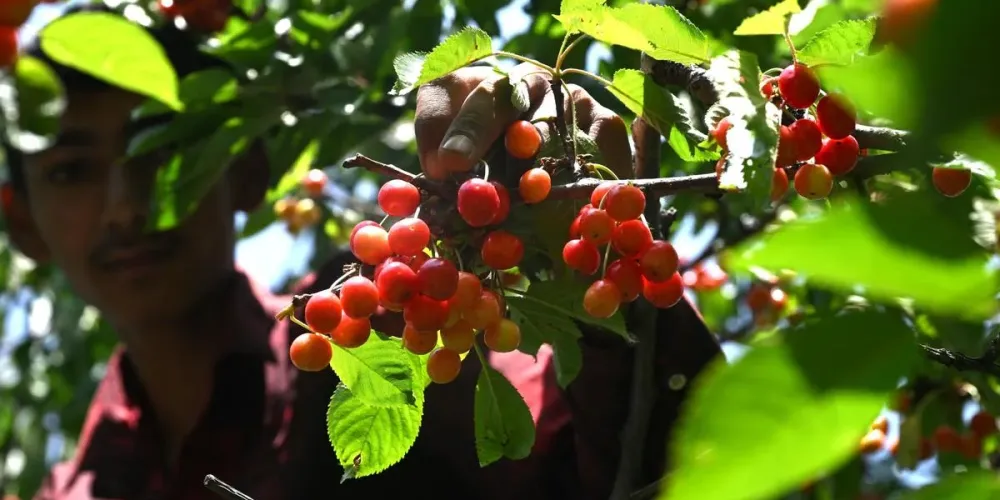
Cherry growers in Kashmir are hoping expanded rail cargo links will help them cut heavy post-harvest losses and improve returns during the new marketing season. The Hindu BusinessLine reported that growers see faster shipment to markets outside Jammu and Kashmir, especially Mumbai, as a practical answer to one of the region’s longest-running horticultural bottlenecks: getting a highly perishable crop to buyers before it loses quality and price.
Basharat Ahmad, a grower from Ganderbal district in central Kashmir, said the planned movement of cherries by parcel train offers fresh hope for farmers who have long struggled with logistics-related losses. Ganderbal alone accounts for nearly 65% of the Valley’s cherry production and has around 1,200 hectares under cultivation. That makes the crop economically important well beyond a single district, particularly because cherries are one of the season’s earliest cash-generating fruits.
Railway authorities plan to move more than 640 tonnes of cherries to Mumbai this season. The Jammu Division of Northern Railway has already secured bookings for 28 parcel vans to Bandra Terminus, with each van able to carry 23 tonnes. Officials told the newspaper that consignments are now being processed and that trader demand has been encouraging, suggesting the rail route is gaining traction as a commercial channel rather than a one-off experiment.
The current plan builds on last year’s first trial. In 2025, 14 parcel vans carrying cherries were dispatched from Shri Mata Vaishno Devi Katra station to Bandra Terminus, opening a faster route to distant wholesale markets. Speed matters because cherries spoil quickly, and the lack of refrigerated transport further increases the risk of damage before the fruit reaches urban buyers.
A recent NITI Aayog report estimated post-harvest losses in cherries in Jammu and Kashmir at 40% to 49%, the highest among the region’s horticultural crops. Farmers and traders say better rail connectivity could reduce spoilage, stabilize prices and lower the pressure for distress sales during the busiest harvest weeks. In other words, logistics is not just a transport issue for the cherry sector; it is central to farm profitability.
Road disruption remains another structural risk. Mohammad Ashraf Wani, president of the fruit mandi in Shopian, said frequent closures on the Jammu-Srinagar National Highway are especially damaging for perishable drupes such as cherries. The crop is grown on nearly 3,000 hectares in the Valley, annual production is estimated at 23,114.77 metric tonnes, and the sector is valued at around ₹175 crore. With about 14,000 farming families dependent on cherries, successful rail movement could have a direct impact on rural incomes across Kashmir.
Not yet comments. Be the first!
Comments · 0