
US Midwest soybean farmers face tariffs, input costs and Iran war fallout
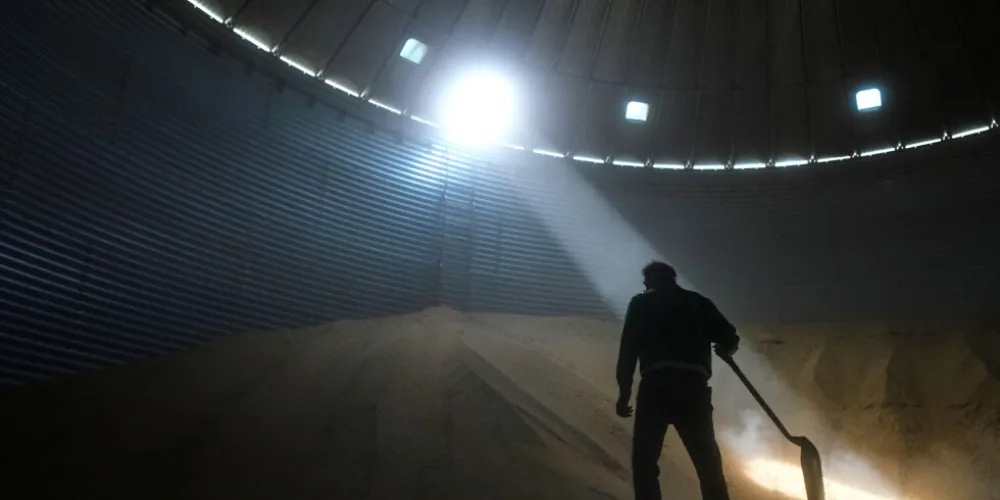
Midwest soybean farmers say they are being squeezed by a combination of low crop prices, high input costs, tariffs and the after-effects of the Iran war, according to an Associated Press report from Nebraska, Wisconsin and North Dakota. The story centers on Doug Bartek, a 60-year-old fifth-generation farmer who operates a 2000-acre farm near Wahoo, Nebraska, and chairs the Nebraska Soybean Association.
Bartek described a long list of pressures going into spring planting: fuel, equipment, fertilizer, seed, chemicals and parts all remain expensive, while soybean prices are depressed by a global supply glut. The Iran war added another shock by restricting fertilizer flows through the Strait of Hormuz and pushing prices higher just as growers were preparing for the new season.
Other growers told AP the pressure is region-wide. Justin Sherlock, president of the North Dakota Soybean Growers Association, said many producers are heading into another year of negative returns. Economists cited in the report said global soybean output has kept setting records, with Brazil having surpassed the United States as the world's biggest producer, leaving world supplies heavy and prices weak.
Costs, meanwhile, continue to rise. The report says overall farm production expenses, including seed and pesticide, have increased over time and soybean operating costs have stayed elevated since 2020, with another increase projected for 2026. Land is another problem: Midwest cropland values have risen, many farmers rent part of their acreage, and Bartek said he rents three-quarters of his land, exposing him to higher lease costs as owners pass through rising taxes.
Trade policy has made the pain worse. The AP report says tariffs imposed by President Donald Trump in April 2025 deepened the trade war with China, the top buyer of US soybeans, and contributed to a collapse in soybean prices. Although Washington and Beijing later struck a deal under which China committed to buy 12 million metric tons by January and at least 25 million tons annually for the next three years, and the US rolled out a 12 billion dollar aid package in December, growers and analysts say that support has not covered the damage. The American Soybean Association estimates farmers still lost almost 75 dollars per harvested acre in the 2025 crop even after federal assistance.
Not yet comments. Be the first!
Comments · 0