
In Ohio, Canada-U.S. trade war sparks anger and uncertainty
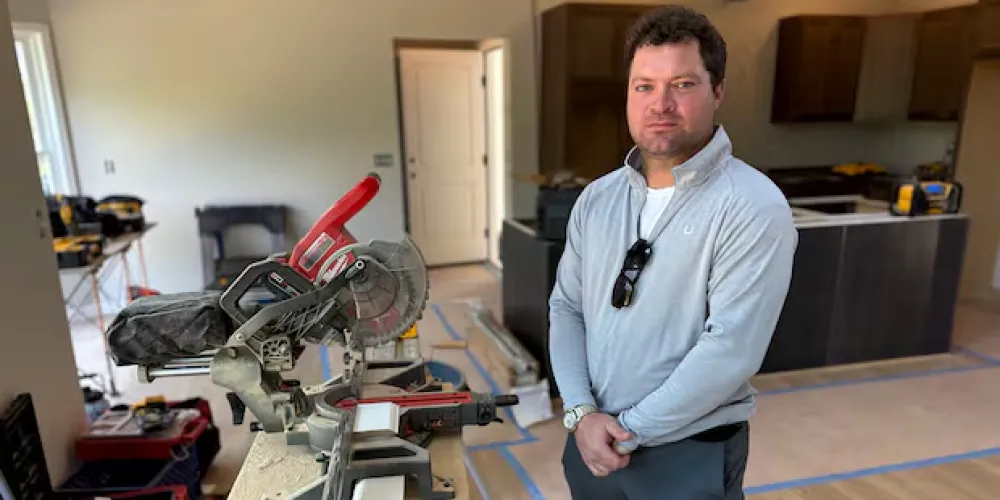
The city of Youngstown, Ohio, has found itself at the heart of the trade tensions between the United States and Canada. Local entrepreneur Joe Koch, vice-president of a multi-generational family construction business, notes that his plans for expansion have been put on hold indefinitely. Due to high interest rates and rising costs driven by tariffs, customers are choosing to delay home builds. Koch has had to seek out alternative material suppliers, moving away from Canadian shingles to local alternatives, a move that illustrates the broader slowdown in economic activity across the region.
According to Bureau of Labor Statistics data, Youngstown boasts over 20,000 jobs tied to manufacturing, spanning sectors from steel pipes to plastics and advanced materials. The region, which spent decades rebuilding following the closure of major steel mills in 1977, is now facing new challenges. Across the state of Ohio, the economic ties are even more significant: Ohio exports approximately $17.5 billion USD in goods to Canada annually, accounting for roughly a third of the state’s total exports.
Statistics from the Embassy of Canada in Washington underline the depth of this economic integration. Ohio supplies engines, turbines, auto parts, and steel alloys while importing crude oil, plastics, and aluminum from Canada. Congressional district OH-6, which includes Youngstown, ships more than $820 million USD in goods to Canada every year. While not all product categories are currently affected by tariffs, the ongoing trade war creates a climate of instability, complicating financial planning and supply chain management for many local firms.
Joe Koch describes the current situation as a "game of chess" where there is no clear victory, only the constant attempt to minimize damage. He stresses the importance of trade partnerships with neighbors, suggesting that in a volatile global landscape, having reliable partners in one’s own backyard is critical. His perspective reflects a growing anxiety among American business owners who feel like pawns in high-level political decision-making.
As midterm elections approach, trade issues are moving from the realm of high-level politics to the kitchen-table budgets of everyday voters. Residents in regions like Youngstown, home to about 425,000 people, are showing signs of exhaustion and anger. The region's history of industrial decline makes the local community particularly sensitive to any shocks that could destabilize the labor market—a market that has been painstakingly diversified over the last few decades.
Not yet comments. Be the first!
Comments · 0